
Archwires
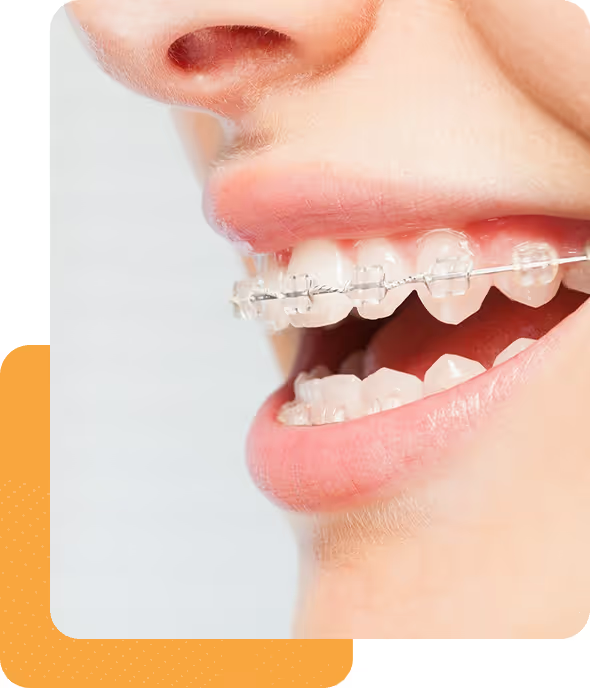
Affordable and Effective Archwires
The Function of
Archwires in Braces
In the initial stages of treatment, thinner, more flexible archwires are typically used to start moving the teeth. As the teeth begin to straighten, thicker, more rigid archwires are introduced to continue guiding the teeth into their final positions.
Types of Archwires Used in Orthodontics
- Nickel-Titanium Archwires: These wires are flexible and retain their shape, making them ideal for the initial stages of treatment when gentle force is required. They are often used to correct minor misalignments and start the tooth movement process.
- Stainless - Steel Archwires: Known for their strength and durability, stainless steel archwires are used in the later stages of treatment to provide more rigid control over tooth movement. They help fine-tune the alignment of the teeth and achieve precise results.
- Cobalt-Chromium Archwires: Similar to stainless steel, cobalt-chromium wires offer strength and flexibility, but with improved biocompatibility. These wires are chosen when specific adjustments in flexibility and force are needed.
Archwire Adjustments During Orthodontic Treatment
Adjustments are typically scheduled every 4-6 weeks, depending on the complexity of the case and the desired speed of treatment. In some cases, archwires are also shaped into specific configurations to target individual teeth or sections of the mouth that require extra attention. These precise adjustments allow for fine-tuning of the treatment and ensure that the teeth move into their correct positions efficiently.
Regular visits to the orthodontist for archwire adjustments are essential to the success of the treatment. Skipping appointments or delaying adjustments can prolong the treatment time and affect the overall outcome.
Comfort and Care for Archwires
Taking proper care of the archwires is crucial for ensuring a smooth treatment process. Patients should avoid eating hard or sticky foods that can damage the wires or brackets. In the event that an archwire becomes loose or bent, it's important to schedule an appointment with the orthodontist to have it repaired.
Proper oral hygiene is also vital during orthodontic treatment. Brushing and flossing around the archwires and brackets helps prevent plaque buildup and protects the teeth from cavities or gum disease.
Long-Term Benefits of Archwires
Archwires play a fundamental role in achieving these results, as they provide the force necessary to guide the teeth into the right positions over time. With advances in materials and techniques, modern archwires offer increased comfort and efficiency, ensuring that patients can achieve their desired outcomes with minimal discomfort and maximum effectiveness.
FAQs
Let's create a smile that not only dazzles but also reflects the true you.
Archwires are typically adjusted every 4-6 weeks, depending on the progress of the treatment and the specific needs of the patient.
Some discomfort is common after adjustments, but it usually subsides within a few days. Pain relievers can help manage any temporary discomfort.
Certain hard or sticky foods should be avoided to prevent damage to the archwires or brackets. Softer foods are recommended during treatment.
If an archwire becomes loose or bent, it's important to contact your orthodontist to schedule an appointment for repair to prevent any delays in treatment.
No, archwires are made from different materials such as nickel-titanium, stainless steel, and cobalt-chromium, depending on the stage of treatment and the patient's needs.

-1.svg)

