
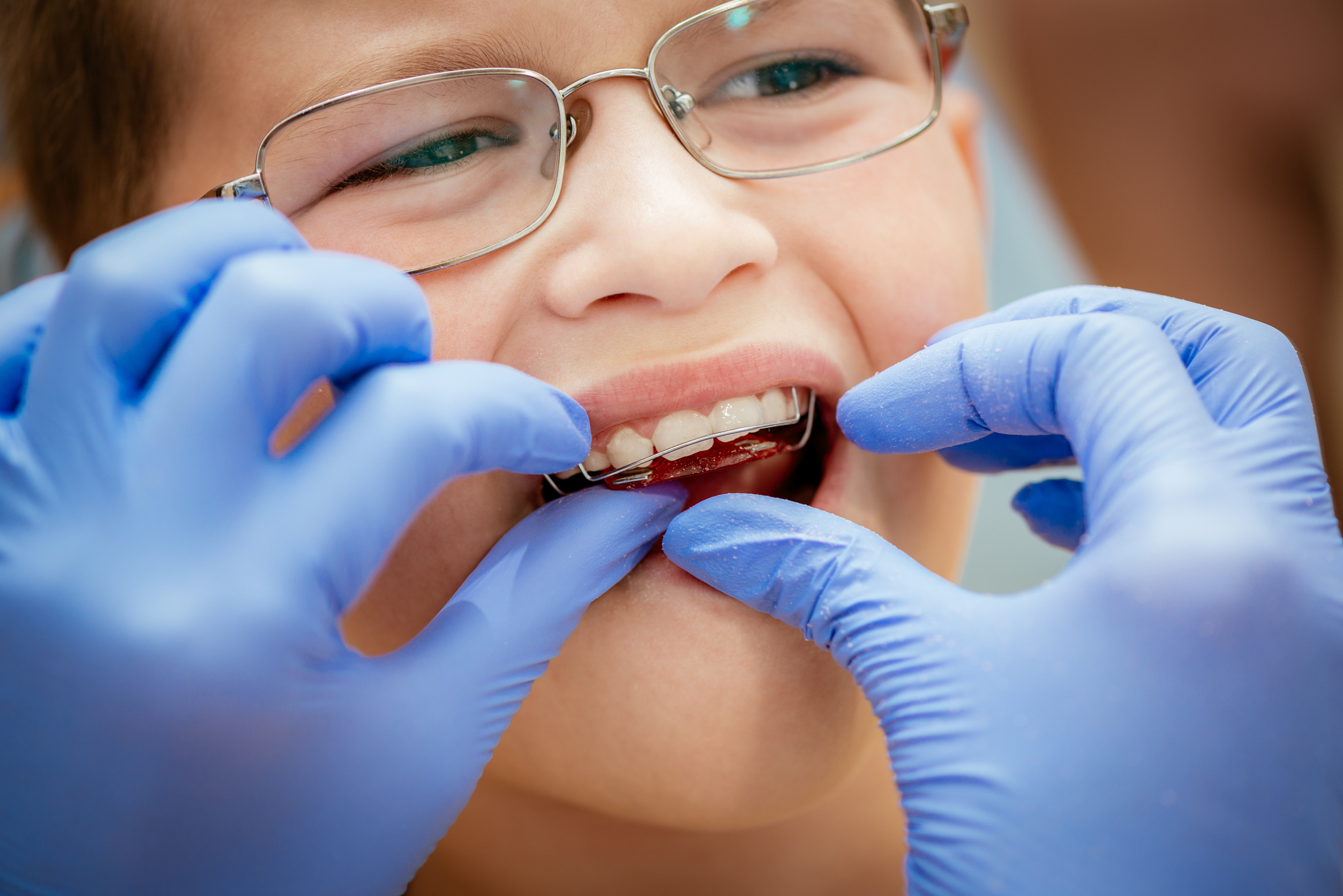
Orthodontic treatment is often associated with teenagers wearing braces, but many orthodontic problems begin much earlier in childhood. Interceptive orthodontics focuses on identifying and addressing these problems while a child is still growing. By intervening at the right time, orthodontists can guide jaw development, improve tooth eruption, and prevent more serious complications later.
For families in East Tennessee, understanding interceptive orthodontics can help parents make informed decisions about their child’s oral health. Early intervention is not about rushing into braces. It is about recognizing when growth can be guided to create healthier, more stable outcomes.
What Is Interceptive Orthodontics
Interceptive orthodontics refers to early orthodontic treatment designed to correct or reduce developing problems before they become more severe. It typically takes place during the mixed dentition phase, when children have both baby teeth and permanent teeth.
The goal of interceptive care is to guide growth and development rather than achieve perfect tooth alignment. By intervening early, orthodontists can influence jaw growth, improve bite relationships, and make future treatment simpler and more predictable.
Parents exploring orthodontic options for children can review available approaches under Orthodontic Services.
How Interceptive Orthodontics Differs From Traditional Treatment
Traditional orthodontic treatment usually begins once most or all permanent teeth have erupted. Interceptive orthodontics, often called Phase I treatment, happens earlier and focuses on prevention and growth guidance.
Instead of straightening every tooth, interceptive care may involve partial appliances or short term treatment. The aim is to correct underlying issues so that later treatment, if needed, is less complex and shorter in duration.
When Interceptive Orthodontics Is Recommended
Not every child needs early orthodontic treatment. Interceptive orthodontics is recommended when specific developmental concerns are identified. These concerns are often easiest to treat while the child is still growing.
Orthodontists typically evaluate children around age seven to determine whether early intervention may be beneficial. This early evaluation allows time to plan and act when necessary rather than react later.
Common Problems Addressed With Interceptive Orthodontics
Interceptive orthodontics targets issues that can worsen over time if left untreated.
Jaw Growth Imbalances
When the upper and lower jaws grow at different rates, bite problems such as overbites or underbites can develop. Early intervention may guide jaw growth and reduce the severity of these issues.
Crowding
Early crowding can signal insufficient space for permanent teeth. Interceptive treatment may create room for adult teeth to erupt properly, lowering the risk of extractions later.
Crossbites
A crossbite occurs when upper teeth bite inside lower teeth. This can cause uneven jaw growth and tooth wear. Early correction helps establish a healthier bite.
Protruding Front Teeth
Children with protruding front teeth are more susceptible to injury. Interceptive orthodontics can reduce this risk and improve function.
Harmful Oral Habits
Thumb sucking, tongue thrusting, and prolonged pacifier use can affect tooth position and jaw shape. Early appliances or guidance can help stop these habits before they cause lasting damage.
Why Timing Matters in Interceptive Care
Growth plays a critical role in orthodontic outcomes. Certain corrections are easier and more effective while a child’s jaw is still developing. Once growth slows or stops, treatment options may become more limited.
Interceptive orthodontics takes advantage of natural growth spurts to guide development. This approach can reduce the need for more aggressive treatment later, such as extractions or jaw surgery.
What Interceptive Orthodontic Treatment May Involve
Interceptive orthodontic treatment is highly individualized. Not all children receive the same appliances or treatment duration.
Common Phase I treatment tools include:
- Palatal expanders to widen the upper jaw
- Partial braces on select teeth
- Space maintainers to preserve room for permanent teeth
- Habit appliances to discourage thumb sucking or tongue thrusting
- Growth modification appliances to guide jaw development
Each plan is tailored to the child’s specific needs and growth pattern. Learn more about orthodontic treatment options under Orthodontic Services.
What to Expect During Interceptive Treatment
Interceptive orthodontic treatment typically lasts several months to about one year. The duration depends on the problem being addressed and how the child responds to treatment.
Appointments are usually spaced several weeks apart. Orthodontists monitor progress closely to ensure healthy tooth movement and proper growth guidance. Parents are encouraged to support good oral hygiene and appliance care throughout treatment.
Helpful tips for caring for orthodontic appliances can be found on Life With Braces.
The Role of Monitoring After Interceptive Treatment
After Phase I treatment is complete, many children enter a monitoring phase. This allows orthodontists to observe how permanent teeth erupt and how the jaws continue to grow.
Monitoring visits may occur every six to twelve months. These checkups ensure that any new issues are identified early and that future treatment, if needed, begins at the right time.
Interceptive Orthodontics and Phase II Treatment
Interceptive orthodontics does not always eliminate the need for Phase II treatment later. However, it often makes Phase II treatment shorter, simpler, and more stable.
Phase II treatment typically begins once most permanent teeth have erupted. It focuses on final alignment and bite correction, often using full braces or clear aligners. Parents considering future options can explore aligner based care at Invisalign Clear Aligners.
Benefits of Early Orthodontic Intervention
Interceptive orthodontics offers benefits that extend beyond straight teeth.
Key advantages include:
- Improved jaw growth and facial balance
- Reduced risk of impacted teeth
- Lower likelihood of tooth extractions
- Shorter and more efficient future treatment
- Improved chewing and speech function
- Enhanced confidence during childhood
Early care focuses on prevention, which often leads to better long term outcomes.
Emotional and Social Benefits for Children
Correcting visible dental issues early can have a positive impact on a child’s self esteem. Children who feel confident about their smiles may be more comfortable socially and emotionally.
Additionally, early orthodontic visits help children become familiar with dental care in a low pressure environment. This familiarity often leads to reduced anxiety and better cooperation during future treatment.
Parental Involvement in Interceptive Orthodontics
Parents play an important role in the success of early orthodontic treatment. Encouraging good hygiene, ensuring appliances are worn as instructed, and attending regular appointments help keep treatment on track.
Open communication between parents and the orthodontic team ensures concerns are addressed quickly and expectations are clear.
Insurance and Interceptive Orthodontics
Many orthodontic practices offer complimentary early evaluations. Coverage for interceptive orthodontic treatment varies by insurance plan, but early planning allows families to understand options and budget accordingly.
Orthodontic offices can help parents review benefits and explore flexible payment options if treatment is recommended.
Why an Orthodontist Is Essential for Early Intervention
Orthodontists receive specialized training in growth and development that goes beyond general dental care. This expertise allows them to identify subtle issues and determine the optimal timing for intervention.
Practices that emphasize advanced technology and personalized treatment planning help ensure accurate diagnosis and effective care. To learn more about the approach used at East Tennessee Orthodontics, visit What Sets Us Apart.
Interceptive Orthodontics for East Tennessee Families
For East Tennessee families, access to interceptive orthodontic care means proactive support for children’s long term oral health. Early intervention provides clarity, confidence, and a plan tailored to each child’s growth.
Whether treatment is needed immediately or simply monitored over time, early evaluation empowers parents to make informed decisions.
A Parent Friendly Checklist for Interceptive Orthodontics
Early orthodontic care can feel overwhelming at first. This simple checklist helps parents know what to watch for and how to prepare for an interceptive orthodontic evaluation.
- Schedule an orthodontic evaluation around your child’s seventh birthday
- Watch for early signs such as crowding, difficulty biting, or jaws that seem uneven
- Note any habits like thumb sucking, mouth breathing, or tongue thrusting
- Bring dental and medical history information to the appointment
- Ask whether treatment is needed now or if monitoring is recommended
- Understand the goals of early treatment if it is suggested
- Follow appliance care and hygiene instructions closely
- Attend all recommended follow up visits
- Encourage your child and keep the experience positive
- Ask questions anytime you are unsure about progress or next steps
This checklist helps parents stay involved and confident throughout early orthodontic care.
Interceptive Orthodontics vs Monitoring: Understanding the Difference
Not every child who has an early orthodontic evaluation needs treatment right away. Understanding the difference between interceptive orthodontics and monitoring can help parents feel comfortable with the recommended plan.
Interceptive Orthodontics
Interceptive orthodontics involves active treatment during childhood. It is recommended when a developing problem is likely to worsen without intervention. Treatment focuses on guiding growth, improving bite function, and reducing future complexity. Appliances may include expanders, partial braces, or habit correction tools.
Monitoring Without Treatment
Monitoring means no appliances are placed at the time of evaluation. Instead, the orthodontist schedules periodic checkups to track growth and tooth eruption. Monitoring is appropriate when development appears healthy and intervention is not yet necessary. Treatment may never be needed, or it may begin later at a more optimal time.
How Orthodontists Decide
The decision depends on growth patterns, tooth eruption, bite relationships, and risk of future problems. Monitoring is not “doing nothing.” It is a proactive approach that ensures treatment begins only when it provides real benefit.
Both paths are designed to support healthy development. The key is early evaluation, clear communication, and individualized planning based on each child’s needs.
Conclusion
Interceptive orthodontics focuses on guiding growth and preventing problems rather than reacting to them later. By identifying issues early and intervening when necessary, orthodontists can improve jaw development, reduce treatment complexity, and support healthier smiles for children.
Early intervention does not mean early braces for every child. It means timely care when growth allows orthodontists to achieve the best possible outcomes.
If your child is around age seven or older, consider scheduling an orthodontic evaluation with East Tennessee Orthodontics to learn whether interceptive orthodontics could benefit their smile and long term oral health.
Frequently Asked Questions About Interceptive Orthodontics
Parents often hear the term “interceptive orthodontics” and want to understand what it means for their child. The questions below address common concerns and explain how early intervention works, when it is recommended, and what families in East Tennessee can expect.
What is interceptive orthodontics?
Interceptive orthodontics is early orthodontic care focused on guiding jaw growth and tooth development before more serious problems develop. It is usually done while a child still has both baby teeth and permanent teeth.
At what age should a child be evaluated for interceptive orthodontics?
Most orthodontists recommend an evaluation around age seven. This timing allows enough permanent teeth to be present to identify developing issues while growth can still be guided.
Does interceptive orthodontics mean my child will get braces early?
Not always. Some children need early treatment, while others only need monitoring. Interceptive orthodontics is about timing and prevention, not automatically placing braces.
What problems can interceptive orthodontics correct?
Early treatment can address jaw growth imbalances, crowding, crossbites, protruding front teeth, and harmful oral habits like thumb sucking or tongue thrusting.
How long does interceptive orthodontic treatment usually last?
Phase I treatment often lasts several months to about one year, depending on the issue being addressed and how the child responds to treatment.
Will my child still need braces later on?
Some children will still need Phase II treatment as teenagers, but early intervention often shortens and simplifies that later phase. In some cases, additional treatment may be minimal.
Is interceptive orthodontic treatment uncomfortable for children?
Treatment is generally well tolerated. Children may feel mild pressure when appliances are adjusted, but discomfort is usually temporary.
What happens after interceptive treatment is finished?
Most children enter a monitoring phase where the orthodontist watches growth and tooth eruption. This ensures that future treatment, if needed, starts at the ideal time.
How can parents support successful early treatment?
Parents can help by encouraging good oral hygiene, ensuring appliances are worn as instructed, and keeping regular orthodontic appointments.
Does insurance cover interceptive orthodontics?
Coverage varies by plan. Many practices offer complimentary evaluations, and orthodontic teams can help parents understand benefits and payment options if treatment is recommended.

-1.svg)

