
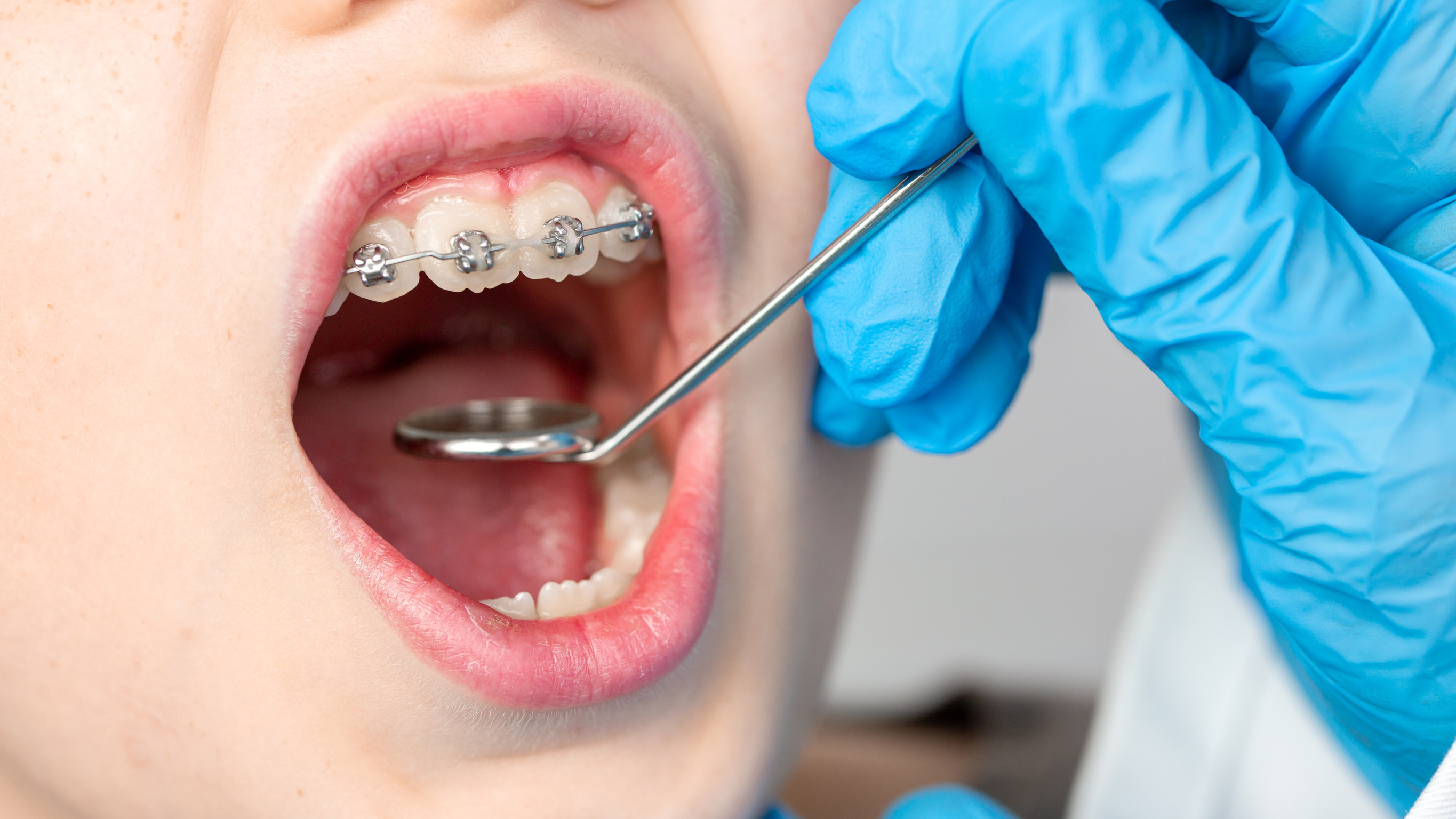
Most parents plan orthodontic visits around a familiar timeline: the age seven checkup, a few years of monitoring, and then braces or aligners in the teen years if needed. That timeline works for many kids, but not all. Some growth and bite issues can develop quickly, especially during spurts when the jaws and permanent teeth are changing fast. In those cases, waiting for the “next scheduled” visit can mean missed opportunities to guide growth, protect space, or prevent a small issue from becoming a bigger one.
This guide explains the clearest signs that your child may benefit from an earlier orthodontic consultation, what an orthodontist is looking for, and how to prepare so your appointment is productive and calm. If you want a wider overview of options before you book, start with orthodontic services in East Tennessee.
What “moving up the consultation” really means
Moving up an orthodontic consult does not automatically mean braces start tomorrow. Often, it means one of three things:
- Reassurance and a plan: The orthodontist confirms development is on track and tells you exactly what to watch for next.
- Monitoring with a schedule: Your child may need observation visits sooner than originally expected, especially during a growth window.
- Interceptive, limited treatment: Short term early intervention may be recommended to guide growth, create space, or correct a bite issue before it worsens. If you want a parent friendly explanation of early intervention, read interceptive orthodontics and early treatment timing.
The goal of an earlier visit is smarter timing, not rushed treatment.
The fastest reason to move up a consultation: bite changes you can see
Some bite problems are obvious once you know what to look for. If you notice any of the following, schedule an orthodontic visit sooner rather than later:
Crossbite
If your child’s upper teeth bite inside the lower teeth on one side, or the jaw seems to shift to “find a comfortable spot,” it can indicate a crossbite. Crossbites can influence jaw growth and tooth wear, so earlier evaluation can be important. If you are not sure what you are seeing, the age seven visit is designed to detect these patterns early. See what an orthodontist looks for at the age seven checkup.
Underbite signs
An underbite may show up as a lower jaw that looks ahead of the upper jaw or front teeth that do not overlap normally. Some underbite patterns are growth related and benefit from earlier tracking.
Open bite
If the front teeth do not touch when your child bites down, or you see a gap between upper and lower front teeth, this can affect chewing and speech and may be connected to habits like thumb sucking or tongue posture.
Deep bite
If the upper front teeth cover most of the lower front teeth, a deep bite can contribute to gum irritation, wear, or discomfort over time.
If you would like a quick list of additional warning signs, review signs your child may need braces or early orthodontic treatment.
If your child is losing baby teeth early, do not wait
Early loss of baby teeth from cavities or injury can change the spacing in the whole mouth. When a baby tooth disappears too soon, nearby teeth often drift into the empty space. That can block the permanent tooth from erupting normally, increase crowding, or create bite changes.
If your child loses a baby tooth early, especially a back tooth, consider moving up the orthodontic consult. Your orthodontist may recommend a space maintainer or related tool to protect that gap. A clear overview is here: the purpose of spacers and space maintainers in pediatric orthodontics.
Crowding that appears suddenly is worth an earlier visit
Crowding can look like overlapping front teeth, teeth that erupt behind other teeth, or a permanent tooth that seems to have “no place to go.” Some crowding is mild and can be monitored. Other patterns signal that the arch is too narrow or that eruption timing is creating a blockage.
Move up the consult if you notice:
- A permanent tooth erupting far inside or outside the arch
- Significant rotation or overlap in the front teeth
- A canine that looks like it is “stuck” high in the gum
- Increasing crowding over a short period
In many cases, earlier evaluation allows the orthodontist to decide if simple growth guidance or space planning can help.
Mouth breathing, snoring, or chronic congestion can be related to development
Parents often notice mouth breathing first, especially at night. While orthodontics is not a substitute for medical evaluation, airway and breathing patterns can influence jaw and arch development. A narrow upper jaw can be associated with a high palate and reduced nasal space for some children.
If you see persistent mouth breathing, frequent snoring, or a child who always seems congested, it is reasonable to move up the orthodontic consult so the orthodontist can evaluate development and coordinate recommendations when appropriate.
Habits that persist past the preschool years should be evaluated
Thumb sucking, prolonged pacifier use, and tongue thrust can change how the teeth erupt and how the bite fits together. The earlier you address a persistent habit, the better the chance of avoiding bigger bite corrections later.
Move up the visit if:
- Thumb sucking or pacifier use continues past age 3 to 4
- Your child’s front teeth flare forward or do not meet
- You see the tongue pushing between teeth during swallowing or speech
If you want a deeper parent friendly explanation of how habits affect bite development, use childhood habits and malocclusion.
When a palatal expander may be time sensitive
If an orthodontist suspects a narrow upper jaw, early evaluation matters because expansion is most effective while growth centers are still flexible. Parents sometimes wait because teeth “look mostly straight,” but a narrow upper arch can still drive crossbites, crowding, and bite shifts.
You may want to move up your consult if you notice:
- Upper teeth biting inside lower teeth
- A very narrow smile or crowded upper arch
- Teeth that look like they are erupting behind one another
- Jaw shifting to one side when closing
If you want to understand this appliance before your visit, read what a palatal expander is and when it is needed.
Pain, jaw clicking, and chewing difficulty are not “normal growing pains”
Kids can have temporary soreness during tooth eruption, but persistent pain, jaw clicking, or difficulty chewing deserves attention. A misaligned bite can create uneven pressure, which sometimes shows up as:
- Frequent cheek biting
- Trouble biting into sandwiches or apples
- Jaw fatigue when chewing
- Clicking or popping at the jaw joint
- Headaches that seem tied to jaw use
An orthodontist can evaluate whether bite alignment is contributing to symptoms and whether early steps might help.
Dental trauma or sports injuries should trigger a quick orthodontic check
If your child hits their mouth and teeth shift, crack, or feel “off” afterward, you may need both dental and orthodontic evaluation. Even if the tooth looks okay, trauma can change bite contact or tooth position.
If your child is already in treatment and an appliance is damaged, use the orthodontic emergency guidance resources right away. Start with orthodontic emergencies immediate care and support, and for a deeper reference guide, see orthodontic emergencies guide and reference.
If your dentist suggests “keep an eye on it,” consider moving up anyway
General dentists are excellent at spotting obvious crowding and bite issues, but orthodontists specialize in growth and the timing of intervention. If a dentist mentions crowding, an erupting tooth that looks off-track, or bite concerns, it is a good reason to schedule earlier.
If you are unsure about ideal timing, the most direct overview is when should your child first visit an orthodontist.
What your orthodontist will evaluate at an earlier consult
During a moved-up consultation, your orthodontist is usually assessing:
- Growth patterns: upper vs lower jaw relationship and symmetry
- Eruption timing: whether permanent teeth have enough room and the right path
- Bite function: how teeth fit and whether the jaw shifts
- Space management: whether a space maintainer, expander, or other tool could prevent later complications
- Habits and posture: thumb sucking, tongue thrust, mouth breathing, or lip posture
- Next best timing: whether treatment is needed now or when the best window will be
A helpful deeper read is guide to early orthodontic evaluation Phase I for East TN children.
How to prepare for the visit so you get clear answers
Parents get the best value from the consult when they arrive with a few specifics. Here is a simple prep list:
- Bring your child’s dental history and any recent dental x-rays if available
- Make a quick note of concerns you have noticed, including timing and frequency
- List any habits and whether they occur during the day, night, or both
- Note any speech therapy, airway concerns, allergies, or chronic mouth breathing
- Take a couple of photos on your phone if the issue is intermittent, such as jaw shifting
If your child is anxious about the appointment, you can use these practical tips: how to prepare your child for their first orthodontic appointment.
Questions to ask during a moved-up consultation
A strong consult is not just a diagnosis. It is a plan. These questions keep things clear:
- What issue are you watching most closely and why?
- Is this something that can self-correct or is it likely to worsen?
- If treatment is needed, what is the goal of early intervention?
- What happens if we wait six months?
- How will we monitor growth and eruption, and how often?
- If braces are likely later, will early steps reduce treatment time?
- What home habits matter most right now?
- Are there any emergency signs that should prompt a sooner visit?
If your child is already in braces or you want to understand future care expectations, the day to day tips in life with braces can also help families plan ahead.
Why moving up a consult can reduce stress later
Parents often worry that early visits mean more treatment. In reality, the opposite is often true. Early evaluation can:
- Prevent a small bite issue from becoming a bigger one
- Reduce the need for tooth extractions by protecting space
- Improve eruption patterns so permanent teeth have a better path
- Lower the likelihood of complicated corrections in adolescence
- Provide a clear timeline so you are not guessing
If you want a broad overview of the advantages of earlier planning, read the importance of early orthodontic treatment for your child.
Conclusion
If you are seeing bite shifts, early tooth loss, worsening crowding, persistent habits, mouth breathing, or any functional concerns like chewing difficulty or jaw discomfort, it is worth moving up your child’s orthodontic consultation. An earlier visit rarely locks you into treatment. Instead, it gives you clarity, better timing, and options while growth is still on your side.
When you are ready to schedule, the simplest next step is contact East Tennessee Orthodontics to request a child consultation and get guidance on timing.
Frequently Asked Questions About Moving Up a Child’s Orthodontic Consultation
Parents often want quick clarity on what counts as “urgent,” what an early visit looks like, and whether it automatically leads to treatment. These FAQs cover the most common questions families ask when deciding whether to schedule sooner.
1. What does it mean to “move up” my child’s orthodontic consultation?
It means scheduling an evaluation sooner than originally planned because you noticed a change or concern. An earlier visit often results in reassurance, monitoring, or a short term early intervention plan.
2. Does moving up the consultation mean my child will need braces right away?
No. Many early visits lead to observation and a specific follow up schedule. Treatment is only recommended if there is a clear benefit to starting early.
3. What are the most common signs that we should come in sooner?
Common reasons include a crossbite, jaw shifting when closing, front teeth that do not touch (open bite), sudden crowding, early loss of baby teeth, persistent thumb sucking or pacifier use, and mouth breathing or snoring concerns.
4. My child has a gap between the front teeth after an appliance change. Is that normal?
A temporary gap can be normal during growth guidance or expansion and may be part of the treatment plan. If the gap appears suddenly without treatment, or your child is uncomfortable, an orthodontic check is a good idea.
5. If my child loses a baby tooth early, how quickly should we see an orthodontist?
If a back baby tooth is lost early due to decay or injury, it is smart to schedule soon. Early tooth loss can cause shifting that reduces space for adult teeth, and timing matters for prevention.
6. My child’s dentist said “let’s watch it.” Should we still see an orthodontist now?
Often, yes. “Watch it” usually means there is a developing concern that could benefit from orthodontic growth and eruption expertise. A consultation can confirm whether monitoring is enough or whether early steps could help.
7. Can thumb sucking, pacifiers, or tongue thrust really change the bite?
Yes. When these habits persist past the early preschool years, they can influence tooth position and jaw shape, especially causing open bite patterns or flared front teeth.
8. What happens during an earlier orthodontic consultation?
The orthodontist will evaluate tooth eruption, spacing, bite alignment, jaw growth, and habits. In some cases, digital images may be taken. You will leave with either reassurance, a monitoring plan, or a clear early treatment recommendation.
9. How can I prepare my child for a moved up orthodontic visit?
Keep it simple. Explain that it is a checkup to see how their teeth are growing. Bring notes about what you have noticed, including when it started, and mention any habits or breathing concerns.
10. If we wait, what is the risk?
Some issues can worsen during growth spurts, including crossbites, crowding, and jaw imbalance. Waiting can reduce early options and sometimes makes future treatment longer or more complex. An early consult helps you understand whether waiting is safe for your child’s specific situation.

-1.svg)

