
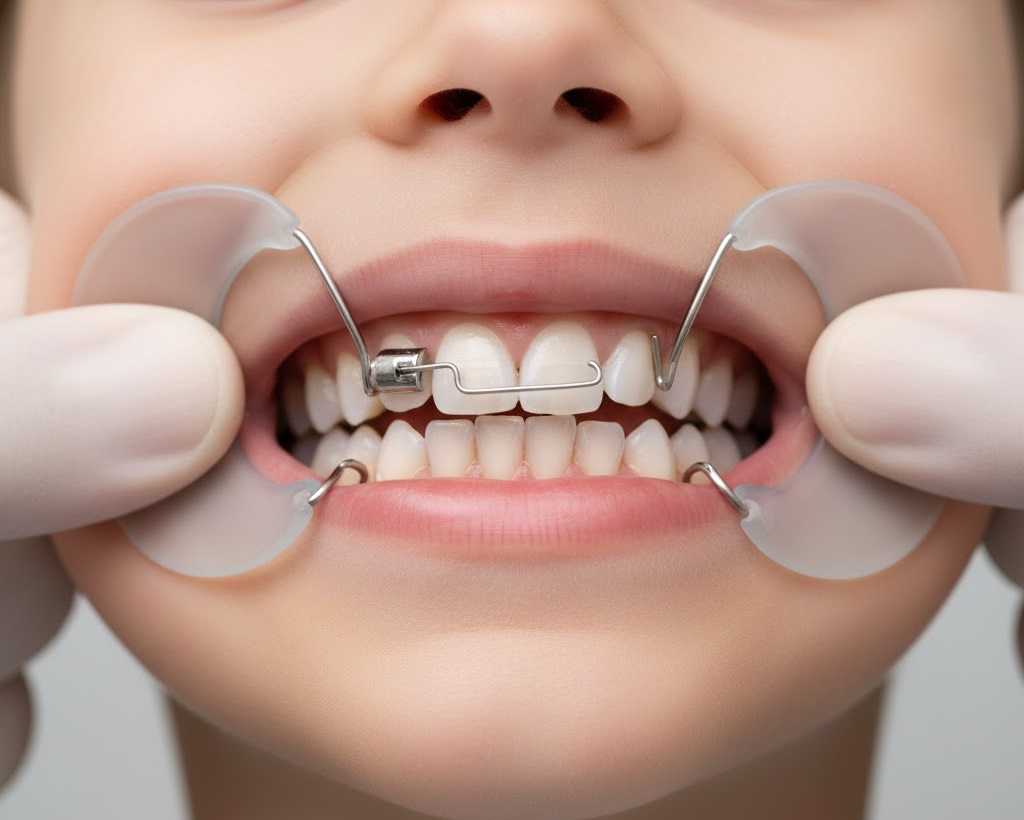
Children’s teeth do not simply fall out and get replaced at random. There is a carefully timed process that allows baby teeth to hold space for permanent teeth and guide them into proper position. When this process is disrupted, orthodontic problems can develop. Spacers and space maintainers are simple but powerful tools in pediatric orthodontics that help protect this natural progression.
For families in East Tennessee, understanding the purpose of spacers and space maintainers can make early orthodontic recommendations feel less confusing and more reassuring. These appliances are preventive in nature and often play a key role in avoiding more complex treatment later.
Why Space Matters in a Growing Child’s Mouth
Baby teeth serve an important purpose beyond chewing and speech. They preserve space in the jaw for adult teeth that have not yet erupted. When a baby tooth is lost too early due to decay, trauma, or extraction, neighboring teeth may drift into that space.
This movement can block the path of incoming permanent teeth, leading to crowding, impaction, or bite problems. Spacers and space maintainers are used to prevent this unwanted shifting and keep the dental arch organized as a child grows.
Parents interested in early orthodontic prevention can explore Orthodontic Services for an overview of pediatric care options.
What Are Orthodontic Spacers
Orthodontic spacers are small devices placed temporarily between teeth. Their primary purpose is to create space so that another appliance can be placed properly. Spacers are most commonly used before placing orthodontic bands or certain appliances.
In pediatric orthodontics, spacers may be used to gently separate teeth in preparation for space maintainers or early orthodontic appliances.
How Spacers Work
Spacers apply light pressure between teeth, gradually moving them apart by a small amount. This process usually takes a few days. Once adequate space is created, the spacer is removed and the next appliance is placed.
What Children Feel With Spacers
Children may feel pressure or mild soreness for the first day or two after spacers are placed. This sensation is temporary and usually resolves quickly. Eating softer foods during this adjustment period can help reduce discomfort.
What Are Space Maintainers
Space maintainers are orthodontic appliances designed to hold space open after a baby tooth is lost prematurely. They prevent surrounding teeth from shifting into the empty space before the permanent tooth is ready to erupt.
Space maintainers can be fixed or removable, depending on the child’s needs, age, and level of cooperation. They are typically custom made to fit comfortably and function effectively.
Types of Space Maintainers
There are several types of space maintainers used in pediatric orthodontics. The orthodontist chooses the appropriate type based on where the tooth was lost and how many teeth are missing.
Fixed Space Maintainers
Fixed space maintainers are cemented in place and cannot be removed by the child. These are commonly used for younger children because they require minimal compliance.
Examples include:
- Band and loop maintainers
- Lingual holding arches
- Distal shoe appliances
Removable Space Maintainers
Removable space maintainers resemble small retainers and can be taken out for cleaning. These require responsible wear and are typically recommended for older children.
When Spacers and Space Maintainers Are Needed
Spacers and space maintainers are not used for every child. They are recommended when early tooth loss or spacing concerns increase the risk of orthodontic complications.
Common reasons include:
- Early loss of baby teeth due to cavities
- Dental trauma or injury
- Congenitally missing teeth
- Crowding that threatens proper eruption
- Preparation for early orthodontic appliances
Early orthodontic evaluation helps determine whether these appliances are necessary or if monitoring is sufficient.
The Role of Early Orthodontic Evaluation
Orthodontists are trained to assess how tooth loss and spacing affect long term development. An early evaluation allows them to identify when intervention is needed to preserve space and guide eruption.
This proactive approach often reduces the need for more invasive orthodontic treatment later. Parents can learn more about early evaluation and pediatric care under Orthodontic Services.
How Space Maintainers Protect Permanent Teeth
When space is preserved properly, permanent teeth are more likely to erupt in their intended positions. This can:
- Reduce crowding
- Lower the chance of impacted teeth
- Improve bite alignment
- Simplify future orthodontic treatment
Space maintainers act as placeholders that support natural development rather than forcing movement.
Daily Care for Spacers and Space Maintainers
Proper care is essential to keep spacers and space maintainers functioning correctly.
Cleaning Tips
- Brush carefully around the appliance twice daily
- Floss gently where possible
- Rinse after meals to remove food debris
- Attend regular dental and orthodontic checkups
Helpful hygiene guidance that applies to orthodontic appliances can be found on Life With Braces.
Foods to Avoid
Children with spacers or space maintainers should avoid foods that could dislodge or damage the appliance.
These include:
- Sticky candies like caramel or taffy
- Chewing gum
- Hard foods such as ice or hard nuts
- Very chewy snacks
Encouraging softer foods and cutting meals into smaller pieces helps protect the appliance.
What to Do if a Spacer or Space Maintainer Comes Loose
Occasionally, spacers or space maintainers may loosen or fall out. This should be addressed promptly to prevent tooth movement.
Parents should:
- Contact the orthodontic office as soon as possible
- Avoid attempting to fix the appliance at home
- Keep the appliance if it has fallen out
Guidance for appliance concerns can be found on the Emergencies page.
How Long Space Maintainers Are Worn
The duration varies depending on when the permanent tooth is expected to erupt. Space maintainers may be worn for several months or even a few years.
Regular monitoring ensures the appliance is removed at the appropriate time and does not interfere with eruption.
Do Space Maintainers Eliminate the Need for Braces
Space maintainers help prevent certain problems, but they do not guarantee that braces or aligners will not be needed later. Genetics, jaw growth, and other factors also influence alignment.
However, maintaining space early often simplifies later treatment and may shorten overall orthodontic timelines.
Emotional Benefits for Children
Using spacers and space maintainers early can reduce future dental stress. Children who avoid complex orthodontic problems later may feel more confident and comfortable during adolescence.
Early intervention also helps children become familiar with orthodontic visits in a supportive, low pressure environment.
The Parent’s Role in Treatment Success
Parents are essential partners in pediatric orthodontic care. Supporting good hygiene habits, monitoring food choices, and attending appointments help ensure success.
Clear communication with the orthodontic team allows concerns to be addressed quickly and keeps treatment on track.
Why Orthodontists Recommend Preventive Appliances
Spacers and space maintainers may seem small, but they serve an important preventive purpose. Orthodontists recommend them when the long term benefits outweigh the short term inconvenience.
Practices that focus on individualized planning and advanced diagnostics help ensure appliances are used only when truly beneficial. Parents interested in treatment philosophy can visit What Sets Us Apart.
Pediatric Orthodontic Care in East Tennessee
East Tennessee families benefit from proactive orthodontic care that prioritizes prevention and long term stability. Spacers and space maintainers are part of a thoughtful approach to protecting a child’s developing smile.
Understanding how these appliances work helps parents feel confident in early treatment recommendations.
Conclusion
Spacers and space maintainers play a crucial role in pediatric orthodontics by preserving space and supporting healthy tooth eruption. When baby teeth are lost early or spacing is at risk, these appliances help prevent crowding, impaction, and bite problems.
With proper care, regular monitoring, and parental support, spacers and space maintainers are safe, effective tools that protect a child’s developing smile and simplify future orthodontic treatment.
If your child has lost a baby tooth early or has been recommended for a spacer or space maintainer, consider scheduling a consultation with East Tennessee Orthodontics to receive personalized guidance and expert care.

-1.svg)

