
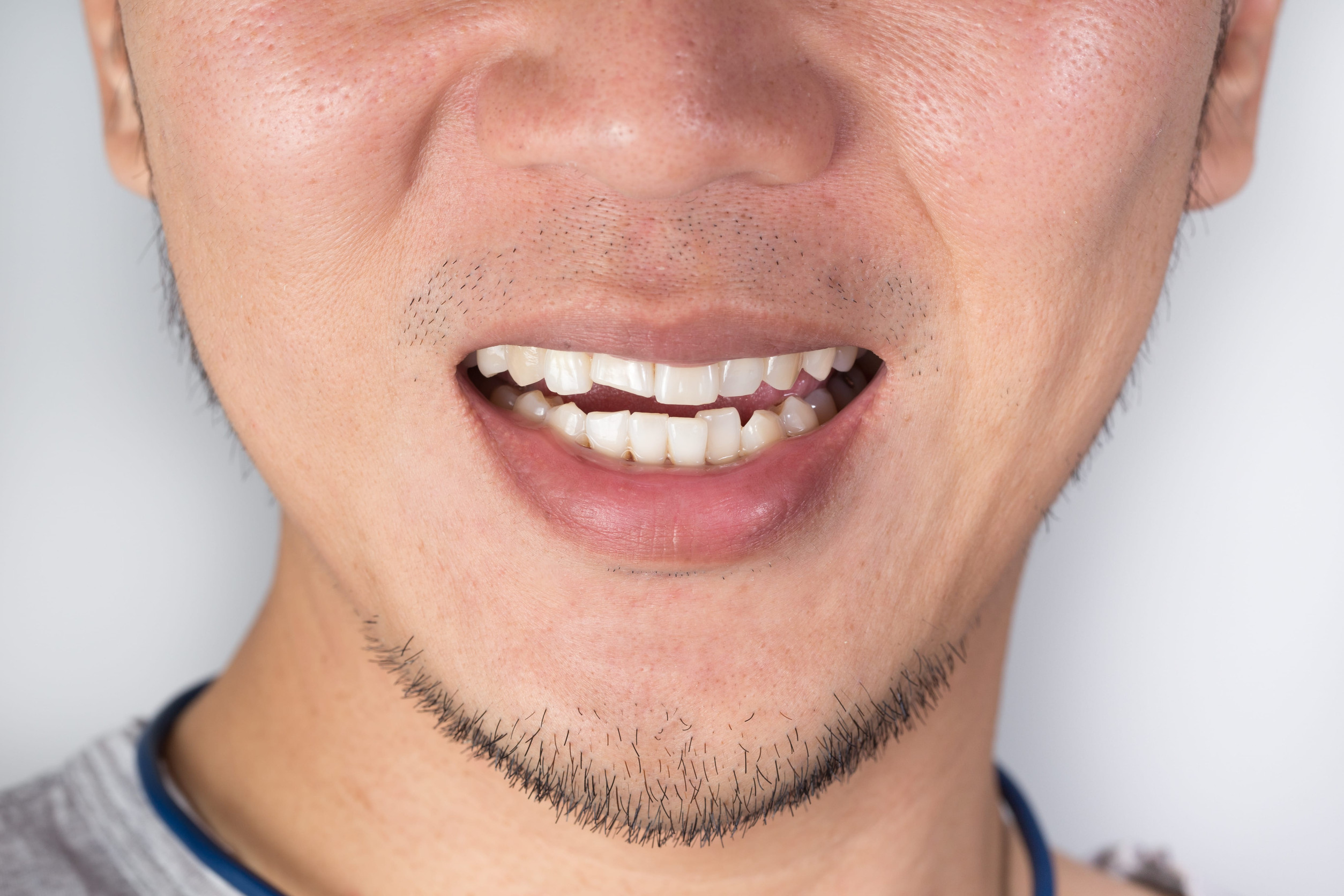
Crowded bottom teeth are one of the most common reasons adults consider orthodontic treatment. You might notice it in photos first. The lower front teeth look like they are overlapping, twisting, or “stacking.” Floss may start shredding. Your bite may feel slightly different. If you had braces years ago, it can feel especially frustrating to see crowding return.
The good news is that adult lower incisor crowding is extremely treatable. The better news is that you usually have more than one predictable option. The key is choosing the fix that matches the cause of your crowding, your bite needs, and your long-term stability goals.
This guide explains why bottom teeth crowd in adults, what the most predictable correction options are, what results to expect, and how to keep your teeth straight after you fix them. If you want to compare all orthodontic approaches in one place, start with orthodontic services.
What “crowded bottom teeth” means in adults
Adult bottom crowding typically refers to crowding of the lower incisors, the front four to six teeth on the lower arch. Because these teeth are small and sit in a tight space, even minor movement can look dramatic.
You may see:
- One tooth rotated slightly out of line
- A tooth pushed behind another
- A tooth pushed forward toward the lip
- Teeth that no longer form a smooth curve
- Tight contacts that trap plaque and make flossing hard
Crowding can be mild, moderate, or severe. Predictability of treatment depends less on what the crowding looks like from the front and more on what is happening with your bite, root positions, and gum support.
Why adult bottom teeth crowd so often
There is a reason lower front crowding is called late incisor crowding. It commonly appears as people age, even in mouths that were once straight.
1) Normal aging and “drift”
Your teeth are not cemented in place. They sit in bone and are held by ligaments that remodel throughout life. Over time, there is a natural tendency for teeth to shift forward and inward slightly. That is why lower front crowding commonly appears in the 20s, 30s, and beyond.
2) Retainer lapse after childhood braces
If you had braces as a teen, your lower incisors are often the first place relapse shows up once retainer wear becomes inconsistent. This is why orthodontists talk about the long-term retention plan as part of treatment, not an accessory after the fact.
If you want the simplest explanation of why retention is lifelong, read retainers after braces and the forever rule.
3) Narrow lower arch and tooth size mismatch
Some adults inherit a narrower arch or larger tooth size. When the teeth simply do not have enough room, crowding becomes more likely. Genetics can influence jaw size, tooth size, and how the arch forms.
4) Bite changes from dental work or missing teeth
If you lost a molar, have a crown that changed contact slightly, or have shifting from missing teeth, your bite can change and your teeth may drift to find a new “stable” position.
5) Clenching and grinding
Grinding does not directly “push” teeth into crowding, but it can increase bite forces and contribute to shifting when the bite is unstable. Grinding can also worsen tooth wear, which changes how teeth fit together.
6) Gum disease and bone loss
If bone support changes due to periodontal disease, teeth can drift and crowd. This is one reason adult orthodontics should include evaluation of gum health and bone levels.
Why predictable fixes depend on more than straightening the front teeth
Some adults want a quick cosmetic fix that straightens only the front four teeth. That may be possible in selected cases, but it is not always stable.
A predictable fix considers:
- How the back teeth fit together
- Whether you have a deep bite, crossbite, or other malocclusion
- Whether the lower front teeth are being forced inward by bite contacts
- Whether your gums and bone can support certain movements
- Whether you clench or grind
If the bite is driving the crowding, aligning the front teeth without correcting bite contacts can lead to relapse or discomfort.
If you want a bite-focused reference, see malocclusion types and bad bites.
The most predictable fixes for crowded bottom teeth in adults
There are several proven approaches. Your orthodontist may use one or a combination.
Fix 1: Clear aligners for lower crowding
Clear aligners are one of the most popular adult options for bottom crowding because they are discreet and allow normal eating and brushing.
Aligners can predictably address:
- Mild to moderate lower incisor crowding
- Minor rotations and tipping
- Small gaps that developed with shifting
- Certain bite refinements with elastics and attachments
The success factors are:
- Consistent wear, usually 20 to 22 hours per day
- Attachments when needed for rotation control
- Follow-up visits to ensure tracking
- Refinements when needed to finish precisely
If you want to explore aligners as a supervised orthodontic option, review Invisalign clear aligners.
When aligners are less predictable
- Severe rotations of certain teeth
- Significant bite corrections involving vertical changes
- Very severe crowding where teeth are displaced far out of arch
- Patients who cannot wear aligners consistently
In those cases, braces may be more predictable.
Fix 2: Braces for lower crowding
Braces remain one of the most predictable ways to correct lower incisor crowding because they provide direct control and do not depend on daily wear compliance.
Braces are especially strong for:
- Rotations
- Root positioning
- Vertical adjustments
- Complex bite issues
- Cases where you need maximum control
Braces can be limited to the lower arch in selected cases, but many adults benefit from treating both arches to balance the bite.
For options, see dental braces treatment.
Fix 3: Interproximal reduction to create space
Interproximal reduction, often called IPR, is one of the most common and predictable techniques used in adult lower crowding. It creates small amounts of space by gently reshaping enamel between certain teeth.
IPR can help by:
- Creating room to untwist crowded incisors
- Improving tooth shape and contact points
- Avoiding excessive flaring of teeth forward
- Supporting long-term stability in certain cases
Most adults are surprised by how minimal IPR is. It is measured and planned, not guesswork. Many patients feel pressure rather than pain.
IPR is often paired with aligners but can also be used with braces.
Fix 4: Space management and controlled arch development
In some cases, orthodontists can create space through careful arch coordination. Adults are not growing, so true skeletal expansion is limited, but small, controlled changes in arch form can be done safely when planned with bone support in mind.
This approach is most predictable when:
- Crowding is mild to moderate
- Gums are healthy and bone support is adequate
- The goal is alignment plus bite balancing
If the lower teeth are already pushed outside the bone, expanding further can risk gum recession. That is why evaluation matters.
Fix 5: Comprehensive bite correction when the bite drives crowding
If your lower front teeth are crowding because your bite is unstable, predictable correction often requires bite correction, not just straightening.
Bite issues that commonly worsen lower crowding include:
- Deep bite that traps lower incisors
- Crossbite that shifts the jaw
- Uneven contacts that push certain teeth inward
- Front-heavy bite pressure that overloads incisors
Orthodontic treatment can redistribute bite forces so lower incisors are not constantly being squeezed or shifted by contact patterns.
If you want to understand bite correction in plain terms, see how braces correct bite issues and improve jaw alignment.
Fix 6: Extractions in selected severe cases
Most adult lower incisor crowding does not require extractions. However, extractions can be the most stable option when:
- Crowding is severe and cannot be resolved safely with IPR
- Teeth are already flared forward, and further flaring would risk recession
- The bite requires space to correct properly
- Long-term stability is poor without creating significant room
Extractions are not a shortcut. They are a medical decision based on bone support, tooth position, and bite stability. A good orthodontist will explain alternatives and why the chosen plan protects long-term health.
Predictable results: what you can expect
Most adults seek:
- Straight lower front teeth
- Easier flossing and cleaning
- A bite that feels balanced and stable
- A result that lasts
Visible results
Many adults notice improvement in lower crowding within the first few months, especially if the crowding is mild to moderate. Severe crowding takes longer.
Functional results
When lower incisors are aligned:
- Plaque trapping decreases
- Gum inflammation is easier to control
- Flossing becomes more comfortable
- The bite often feels smoother
Stability results
Stability depends on retention. Lower incisors are prone to crowding over time. The most predictable long-term outcome includes:
- A retainer plan you will actually follow
- A retainer type that fits your lifestyle
- Replacement retainers when needed
Retention is the difference between “I fixed it” and “I fixed it and kept it.”
How long it takes to fix crowded bottom teeth
Timeline depends on severity, appliance choice, and whether bite correction is needed.
Common ranges:
- Mild crowding with aligners: often 3 to 6 months
- Moderate crowding: often 6 to 12 months
- Severe crowding with bite correction: often 12 months or longer
Aligners depend heavily on wear time. Braces depend heavily on appointment consistency.
If you travel often or miss visits, this guide explains how timing affects results: scheduling for success and appointment frequency.
What it feels like: discomfort expectations
Most adults describe orthodontic discomfort as pressure rather than sharp pain.
- After braces adjustments: soreness for 1 to 3 days is common
- After aligner changes: tightness for 1 to 2 days is common
If you want a practical relief plan, use orthodontic pain management.
The biggest adult mistake: fixing the crowding but not keeping it
Many adults get teeth straight again and then assume the result will hold without consistent retention. Lower front teeth often shift again if retention is ignored.
The predictable long-term plan
- Wear retainers as instructed
- Replace retainers if they crack, warp, or loosen
- Maintain gum health with daily flossing
- Address clenching if present
If you want the most direct retention message, read retainers after braces.
Fixed lower retainers
Some adults benefit from a bonded retainer behind lower front teeth, especially if:
- Crowding was severe
- You have a history of relapse
- You want extra stability
Fixed retainers require careful flossing. They work best when paired with good hygiene habits.
How to choose the most predictable fix for your lifestyle
Here is a simple decision framework.
Choose aligners when
- Your crowding is mild to moderate
- You want discreet treatment
- You can commit to wear time
- You want easier brushing and flossing
Choose braces when
- Crowding is more severe
- Rotations are stubborn
- Bite correction is more complex
- You want maximum control and do not want a compliance-based system
Choose IPR when
- Space is needed but extractions are not ideal
- Teeth can be reshaped safely
- You want stability without flaring teeth forward
The most predictable plan is the one that matches your mouth, not the one that sounds easiest online.
When to schedule an evaluation
If you notice:
- Increasing overlap in lower front teeth
- Floss becoming difficult
- A retainer feeling tight
- Bite discomfort or uneven contact
- Gum inflammation around crowded teeth
It is worth getting evaluated sooner. Early correction often means shorter treatment.
You can schedule your adult consultation through Contact Us.
Frequently asked questions
Can I fix crowded bottom teeth without braces
Often yes. Clear aligners can correct many mild to moderate crowding cases, especially when combined with IPR and attachments. Severe cases may still require braces.
Do crowded bottom teeth always need extractions
No. Most adult lower crowding cases can be managed with aligners, braces, IPR, and bite planning. Extractions are reserved for selected severe cases.
Why did my bottom teeth crowd after braces
This is common. Retainer wear decreases over time, and lower incisors are prone to late crowding as part of aging. Consistent retention is the best prevention.
Will my teeth shift again after I fix them
They can if you do not follow a retainer plan. Long-term retention is the most predictable way to keep lower incisors straight.
Conclusion
Adult crowded bottom teeth are common and treatable. The most predictable fixes depend on the cause of the crowding and your bite stability. Clear aligners, braces, and IPR are reliable tools when planned correctly. In more complex cases, comprehensive bite correction or extractions may be necessary for long-term health and stability.
The most important takeaway is that straightening is only half the story. Retention is what protects your investment over the long term.
If you want a personalized plan, start with adult orthodontic options and schedule your visit through Contact Us.

-1.svg)

