
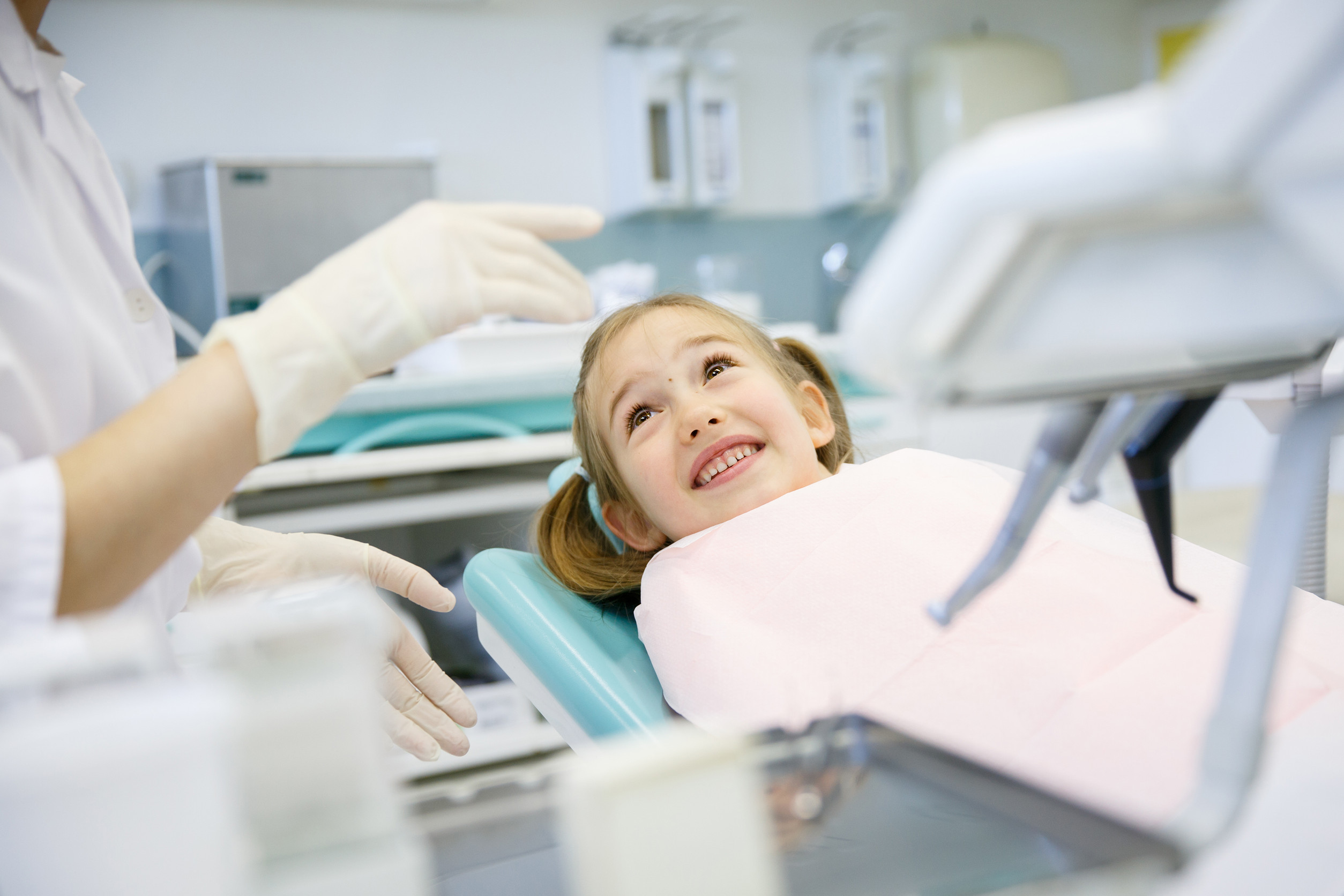
Many parents are surprised when they hear that children should see an orthodontist as early as age seven. After all, most children still have baby teeth at that stage. However, the age seven orthodontic checkup is not about placing braces early. It is about evaluating growth, development, and potential problems while there is still time to guide them naturally.
For families in East Tennessee, the age seven checkup offers peace of mind and a proactive approach to oral health. This visit helps orthodontists identify developing concerns, monitor growth patterns, and plan treatment only if and when it is truly needed. Understanding what orthodontists look for during this visit can help parents feel confident and informed.
Why Age Seven Is an Important Milestone
The American Association of Orthodontists recommends an initial orthodontic evaluation by age seven. At this stage, children typically have a mix of baby teeth and permanent teeth. This mixed dentition phase provides valuable insight into how the jaws are growing and how permanent teeth are likely to erupt.
By age seven, the front permanent teeth and first molars have usually come in. These teeth establish the bite relationship and allow orthodontists to detect problems that may worsen if left unaddressed. Early identification does not mean early treatment in every case. Instead, it allows for careful monitoring and timely intervention.
What Happens During an Age Seven Orthodontic Checkup
The age seven checkup is designed to be comfortable and stress free for children. Orthodontists focus on observation and education rather than immediate treatment.
During the visit, the orthodontist may:
- Review dental and medical history
- Examine tooth alignment and spacing
- Evaluate jaw growth and symmetry
- Observe bite function
- Check oral habits and breathing patterns
- Take digital images or X rays if needed
Parents are encouraged to ask questions and discuss any concerns about their child’s teeth or facial development.
Evaluating Jaw Growth and Facial Balance
One of the most important aspects of the age seven checkup is evaluating jaw growth. The upper and lower jaws should grow in harmony. If one jaw is growing faster or slower than the other, bite problems can develop.
Orthodontists look for signs of:
- Overbite or underbite development
- Crossbite caused by narrow jaw growth
- Facial asymmetry
- Shifts in the jaw during biting
Because jaw growth is still flexible at this age, early detection allows orthodontists to guide development rather than correct severe problems later.
Checking Tooth Eruption and Spacing
Tooth eruption patterns tell orthodontists a great deal about future alignment. During the age seven checkup, orthodontists assess whether permanent teeth are erupting on schedule and in the correct positions.
They also evaluate spacing to determine whether there is enough room for all adult teeth. Crowding can begin early, even when baby teeth are still present. Identifying space issues early may allow orthodontists to reduce the likelihood of extractions later.
Parents interested in how orthodontists address spacing concerns can explore options under Orthodontic Services.
Identifying Bite Problems Early
The way a child’s teeth fit together affects chewing, speech, and long term dental health. During the age seven checkup, orthodontists look closely at how the upper and lower teeth come together.
Common bite issues evaluated include:
- Crossbites where upper teeth sit inside lower teeth
- Deep overbites
- Open bites where front teeth do not touch
- Early signs of underbite development
Correcting bite problems early can prevent uneven wear, jaw strain, and more complex orthodontic treatment later.
Monitoring Harmful Oral Habits
Certain habits can influence jaw shape and tooth position if they continue too long. The age seven checkup allows orthodontists to identify habits that may affect development.
These habits include:
- Thumb or finger sucking
- Prolonged pacifier use
- Tongue thrusting
- Mouth breathing
Orthodontists may recommend simple strategies or appliances to discourage habits before they cause lasting changes.
Assessing Airway and Breathing Patterns
Breathing patterns play a major role in facial development. During an early orthodontic evaluation, orthodontists observe whether a child primarily breathes through the nose or mouth.
Chronic mouth breathing can be associated with narrow arches, crowded teeth, and altered facial growth. Identifying airway concerns early allows families to explore appropriate next steps, which may involve coordination with other healthcare providers.
Looking for Signs of Crowding or Impacted Teeth
Even when baby teeth are present, orthodontists can predict whether permanent teeth may become crowded or impacted. X rays and visual examination help identify teeth that are erupting at unusual angles or positions.
Early identification of these issues may allow orthodontists to guide eruption and reduce complications. This proactive approach can simplify future orthodontic care.
Determining Whether Early Treatment Is Needed
Not every child needs treatment after an age seven checkup. In fact, many children simply enter a monitoring phase. The orthodontist tracks growth and development through periodic visits until the timing is right.
If treatment is recommended, it is usually Phase I orthodontic treatment. Phase I focuses on guiding growth and preventing more serious issues. It does not aim to straighten every tooth.
Parents can learn more about early orthodontic care by reviewing Orthodontic Services for children.
The Benefits of Early Detection Without Early Braces
One of the biggest misconceptions about the age seven checkup is that it leads to early braces for every child. In reality, the main benefit is information.
Early detection allows orthodontists to:
- Create a long term treatment plan
- Time treatment for optimal results
- Reduce overall treatment length later
- Avoid unnecessary procedures
- Provide reassurance to parents
Monitoring growth often prevents rushed or reactive treatment in the teenage years.
How Monitoring Works After the Age Seven Checkup
If no immediate treatment is needed, orthodontists typically recommend periodic checkups. These visits may occur every six to twelve months depending on the child’s development.
Monitoring visits allow orthodontists to:
- Track jaw growth changes
- Watch permanent teeth erupt
- Identify problems as soon as they appear
- Start treatment at the ideal time
This approach ensures children receive care when it is most effective.
Emotional and Social Benefits of Early Evaluation
Beyond physical development, early orthodontic evaluation can benefit a child’s confidence. Addressing prominent teeth or bite concerns early may reduce teasing or self consciousness.
Children who feel comfortable with their smiles are often more confident socially and academically. Early evaluation also helps children become familiar with orthodontic visits in a low pressure setting.
Supporting Your Child During the Evaluation
Parents play an important role in making the age seven checkup a positive experience. Explaining that the visit is simply a checkup and not necessarily treatment can ease anxiety.
After the visit, parents can support their child by:
- Encouraging good oral hygiene habits
- Monitoring thumb or finger habits
- Following orthodontic recommendations
- Attending follow up visits as advised
Helpful tips for daily care can be found on Life With Braces, many of which apply even before braces begin.
Insurance and the Age Seven Orthodontic Checkup
Most orthodontic practices offer complimentary early evaluations. Insurance coverage is usually not required for the initial checkup.
If treatment is recommended, orthodontic offices can help families understand insurance benefits and payment options. Early planning allows parents to prepare financially without pressure.
Why Choose an Orthodontist for Early Evaluation
Orthodontists receive specialized training in facial growth and dental development. An orthodontic evaluation provides insights that go beyond routine dental checkups.
Practices that emphasize advanced technology and personalized care help ensure accurate diagnosis and thoughtful planning. Parents interested in learning about a practice’s approach can visit What Sets Us Apart.
The Importance of Early Orthodontic Care in East Tennessee
East Tennessee families benefit from access to orthodontic care that prioritizes prevention, education, and long term results. Early evaluation supports healthier smiles and more predictable outcomes for children as they grow.
Whether a child needs early treatment or simple monitoring, the age seven checkup provides clarity and direction.
Conclusion
The age seven orthodontic checkup is a proactive step that helps orthodontists understand how a child’s mouth is developing. By evaluating jaw growth, tooth eruption, bite alignment, and oral habits early, orthodontists can guide development and prevent more serious problems later.
This visit is about knowledge and preparation, not rushing into treatment. For parents, it offers reassurance and a clear plan for the future.
If your child is around age seven or older, consider scheduling an orthodontic evaluation with East Tennessee Orthodontics to ensure their smile is developing on the right path.
Frequently Asked Questions About the Age Seven Orthodontic Checkup
Parents often have questions about what an early orthodontic visit means and whether it leads directly to treatment. The questions below address common concerns and explain what families in East Tennessee can expect from an age seven orthodontic evaluation.
What is the purpose of an orthodontic checkup at age seven?
The purpose of the age seven checkup is to evaluate jaw growth, tooth eruption, and bite development early. This allows orthodontists to identify potential issues while growth can still be guided naturally.
Does an age seven orthodontic visit mean my child will need braces right away?
No. Most children do not start treatment at age seven. Many are simply monitored over time, with treatment recommended only if a specific problem is developing.
Why is age seven considered the right time for an evaluation?
By age seven, children usually have enough permanent teeth to assess spacing, crowding, and bite relationships. This timing gives orthodontists valuable insight into future development.
What types of problems can be detected at an early orthodontic visit?
Orthodontists may detect crowding, crossbites, jaw growth imbalances, impacted teeth, harmful oral habits, or airway related concerns during an early evaluation.
What happens if no treatment is needed after the evaluation?
If treatment is not needed, the orthodontist will recommend periodic monitoring visits. These checkups allow growth and tooth eruption to be tracked so treatment can begin at the ideal time if needed.
How long does an age seven orthodontic checkup usually take?
The appointment is typically brief and comfortable, often lasting about thirty to forty five minutes depending on whether imaging is needed.
Is the early orthodontic evaluation uncomfortable for children?
No. The evaluation is gentle and noninvasive. Orthodontists focus on visual examination and discussion rather than active treatment.
Can early orthodontic evaluation reduce future treatment time?
Yes. Identifying and addressing issues early can simplify or shorten later orthodontic treatment by guiding growth and preventing more complex problems.
Do baby teeth matter during an orthodontic evaluation?
Yes. Baby teeth provide important information about spacing, eruption patterns, and jaw development. They help orthodontists predict how permanent teeth will come in.
How often will my child need follow up visits after the age seven checkup?
Follow up visits vary by child. Some may return annually, while others may be seen every six to twelve months depending on growth and development.

-1.svg)

