
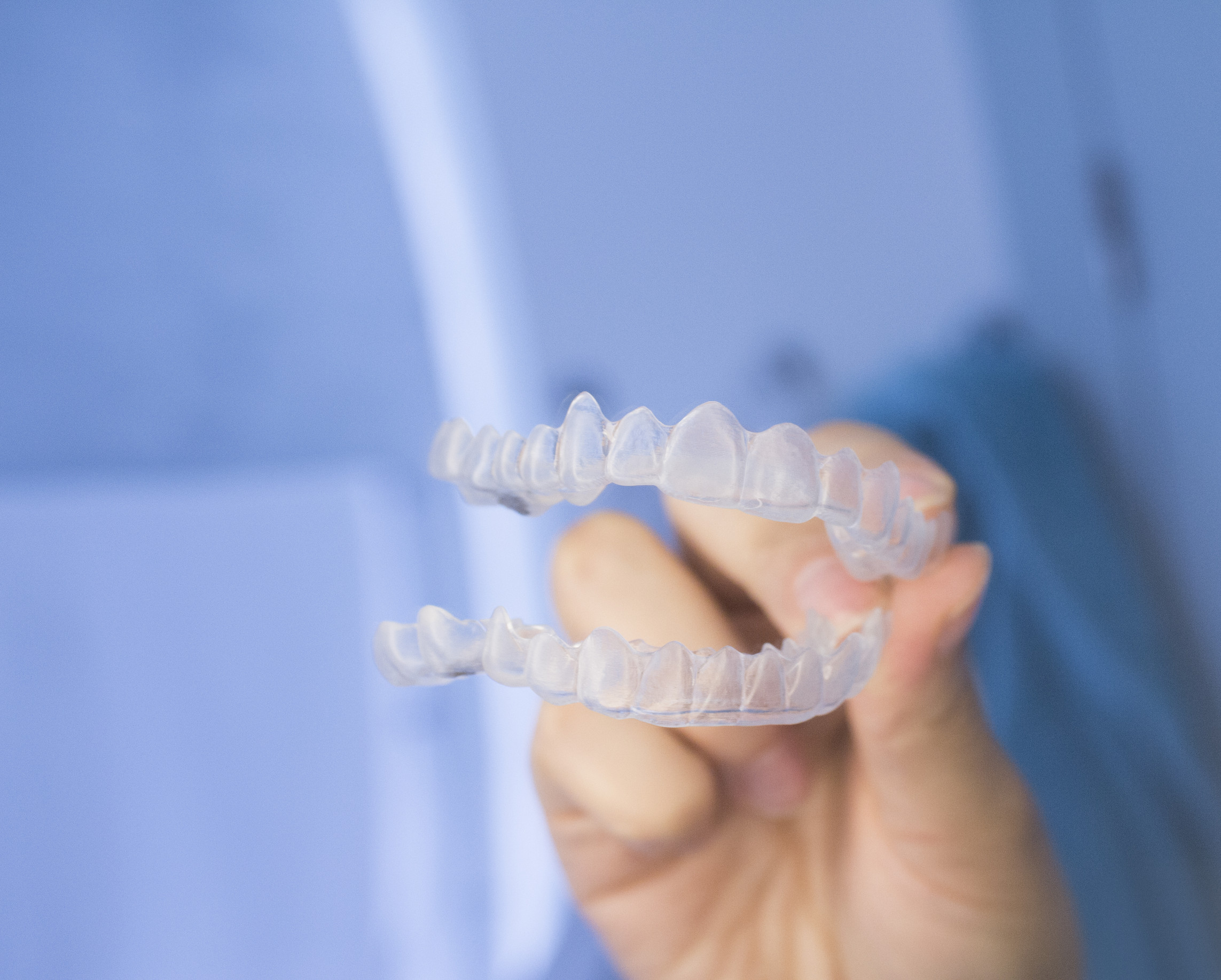
Clear aligners like Invisalign have redefined how patients in East Tennessee achieve straighter smiles. They are nearly invisible, removable, and comfortable, making them a favorite choice for teens and adults alike. But while aligners look simple, they often rely on small, unseen tools to perform complex tooth movements effectively. Those invisible helpers are known as attachments and buttons.
Though tiny, these tools play a big role in giving aligners the power and precision needed to deliver ideal results. Let’s look at what they are, how they work, and why orthodontists use them to perfect smiles across East Tennessee.
What Are Clear Aligner Attachments?
Clear aligner attachments are small, tooth-colored pieces of composite material that are bonded to specific teeth. Think of them as tiny handles that give your aligners something to grip.
While aligners alone can move teeth, some movements like rotations, vertical shifts, or root adjustments require additional leverage. Attachments help aligners apply just the right amount of pressure in the right direction.
How attachments work
- They are placed in precise locations based on your digital treatment plan.
- When you wear your aligners, the trays press against the attachments to guide the teeth.
- This allows the aligner system to complete even complex tooth movements efficiently.
Attachments are color-matched to your enamel and polished smooth, so they remain discreet. Once your aligners are in, most people will never notice them.
To learn more about clear aligner treatment options, visit the Invisalign page at East Tennessee Orthodontics.
What Are Buttons?
Buttons are another type of tool used during clear aligner treatment, but they serve a different purpose. Buttons are small composite or metal anchors that help hold elastics (tiny rubber bands).
These elastics connect between teeth or arches, allowing orthodontists to correct bite issues such as overbites, underbites, or crossbites. Buttons are typically placed on the inside or outside surfaces of certain teeth, depending on the desired direction of movement. Like attachments, they are small and unobtrusive, but they make a huge difference in achieving a balanced, functional bite.
Why Aligners Need Attachments and Buttons
Clear aligners excel at moving teeth through consistent, gentle pressure. However, not all movements are straightforward. Rotations, vertical repositioning, or bite corrections require more control.
Attachments and buttons provide:
- Better grip: Allow aligners to lock on and guide teeth accurately.
- Improved efficiency: Shorten treatment time by ensuring predictable movement.
- More complex results: Make aligners capable of correcting moderate to severe alignment issues that once required braces.
Attachments and buttons essentially transform aligners from simple trays into a fully capable orthodontic system.
To explore how modern orthodontics achieves these results, check out the Orthodontic Services overview.
How Attachments Are Applied
Getting attachments or buttons placed is a quick and comfortable process.
Here’s what to expect:
- Planning: Your orthodontist maps out where attachments are needed based on your digital 3D treatment plan.
- Bonding: The teeth are cleaned, and a clear template tray is fitted over them. The attachment material is placed through the tray openings and hardened with a special light.
- Finishing: The tray is removed, leaving the attachments perfectly shaped and bonded to your teeth.
- Aligner fitting: Your orthodontist checks that the aligners fit snugly over the attachments.
The entire procedure takes only a few minutes and does not cause any discomfort. Buttons are placed in a similar way, though they are sometimes attached with a small dot of bonding material instead of a mold template.
Living With Attachments and Buttons
Most patients adjust quickly to attachments and buttons. They might feel slightly rough at first, but after a few days, you will hardly notice them.
Here are some quick tips for everyday comfort:
- Stay consistent: Wear aligners 20 to 22 hours a day to ensure attachments work effectively.
- Eat without aligners: Always remove your aligners before eating to avoid stress on the attachments.
- Brush carefully: Clean around the attachments and buttons to prevent plaque buildup.
- Rinse aligners daily: Keep aligners fresh and clear with gentle brushing and rinsing.
For more details on maintaining great oral hygiene during treatment, visit the Life with Braces page. Many of the same principles apply to aligners.
Caring for Attachments and Buttons
Attachments and buttons are sturdy, but good oral hygiene and care will help them last throughout your treatment.
Best practices:
- Brush after every meal and before reinserting aligners.
- Use floss threaders or water flossers to clean around buttons.
- Avoid sticky foods like caramel or taffy that could dislodge attachments when aligners are out.
- Contact your orthodontist if an attachment or button comes loose.
If an attachment or button does break, it can be replaced easily. For guidance on minor issues during orthodontic care, visit Emergencies to see what steps to take.
How Long You’ll Have Attachments
Most attachments stay on for the majority of your aligner treatment. Some are removed earlier if their job is complete. Buttons may come off sooner if elastics are no longer needed.
When treatment ends, your orthodontist will polish off the composite material, leaving your teeth smooth and clean. There is no pain or sensitivity, and your enamel remains perfectly intact.
After aligner treatment, you will switch to retainers to keep your smile beautifully aligned for life.
How Orthodontists Use Attachments Strategically
At East Tennessee Orthodontics, every treatment plan is customized using digital planning software. This allows orthodontists to see the tooth movement sequence before treatment even begins.
Attachments are then placed in the most effective positions to guide movement precisely. The shape, size, and location of each attachment depend on your unique anatomy and goals.
This high-tech approach is one of the ways ETO delivers efficient, comfortable, and predictable orthodontic care. You can read more about their approach on What Sets Us Apart.
The Role of Elastics With Buttons
Elastics, also known as rubber bands, work hand in hand with buttons to correct bite discrepancies. They provide the gentle directional force needed to align the upper and lower jaws properly.
You will wear elastics according to your orthodontist’s instructions, usually attaching them to buttons on both arches. They are easy to put on and take off, and while they might feel slightly tight at first, you will adjust quickly.
This combination of aligners, attachments, and elastics can correct even complex orthodontic problems without traditional braces.
Advantages of Attachments and Buttons
1. Precise Control
Attachments allow aligners to perform complicated movements that would otherwise require brackets and wires.
2. Faster Progress
Because attachments give aligners better grip, your teeth move more predictably, helping you stay on track with your treatment timeline.
3. Improved Aesthetics
Despite their function, attachments remain nearly invisible. Once your aligners are in place, they blend seamlessly with your natural smile.
4. Comfort and Convenience
There are no metal wires or adjustments, and both attachments and buttons are smooth to the touch.
Are Attachments Right for Everyone?
Not every aligner patient needs attachments or buttons. For mild spacing or alignment issues, aligners alone might be enough. Your orthodontist will evaluate your smile and recommend the best approach.
If your case involves more complex tooth movements or bite correction, attachments and buttons may be essential for the best results.
The ETO Approach to Aligner Precision
At East Tennessee Orthodontics, aligner treatment is guided by a philosophy of precision and patient comfort. The practice combines advanced digital imaging, customized treatment planning, and patient education to ensure every smile reaches its full potential.
Their team has extensive experience using attachments, buttons, and other advanced aligner techniques to achieve professional, natural results for both teens and adults.
Learn more about comprehensive treatment options on the Orthodontic Services page or schedule a consultation to find out if aligners are right for you.
Conclusion
Attachments and buttons may be small, but they play a vital role in making clear aligners powerful enough to handle complex tooth movements. They are the invisible tools that give your orthodontist precision control, helping you achieve a healthier, more confident smile without anyone noticing you are in treatment.
At East Tennessee Orthodontics, aligner care is fully personalized. Whether your treatment involves Invisalign or other aligner systems, your orthodontist will use the most advanced methods, including attachments and buttons, to ensure efficient progress and lasting results.
Ready to take the next step toward a straighter, more confident smile? Schedule a consultation today to discover how clear aligner treatment can work for you.
Key Takeaways
- Clear aligner attachments and buttons enhance aligner precision.
- Attachments provide grip for complex tooth movements.
- Buttons serve as anchors for elastics to correct bite alignment.
- Both tools are small, smooth, and nearly invisible.
- Proper hygiene and aligner care keep them effective.
- East Tennessee Orthodontics uses advanced technology for customized aligner care.
Frequently Asked Questions (FAQ)
1. What are clear aligner attachments?
Clear aligner attachments are small, tooth-colored composite shapes bonded to certain teeth. They act as gentle anchors that help your aligners apply precise pressure for more complex tooth movements. You can learn more about aligner treatment on the Invisalign page.
2. What is the purpose of buttons during clear aligner treatment?
Buttons are tiny composite or metal anchors used to attach elastics that help correct bite problems such as overbites, underbites, or crossbites. They work with aligners to adjust how the upper and lower teeth fit together.
3. Will attachments or buttons make my aligners more noticeable?
No. Attachments and buttons are very small and matched to your tooth color. Once your aligners are on, they are almost invisible. Most people will never notice you are wearing them.
4. Do attachments or buttons cause discomfort?
You might feel light pressure for a day or two after placement, but this quickly fades. The process of adding or removing attachments is completely painless. For more information about comfort and daily care, visit Life with Braces.
5. How do I clean around attachments and buttons?
Brush and floss normally, taking care to clean around each attachment and button. You can also use a water flosser to remove debris and keep your mouth fresh. If you ever have issues or irritation, refer to the Emergencies page for guidance.
6. Can attachments or buttons fall off?
It is uncommon, but they can occasionally come loose. If that happens, contact your orthodontist right away. The team at East Tennessee Orthodontics can easily replace them during a short appointment.
7. Do all Invisalign patients need attachments or buttons?
Not everyone does. Simple alignment cases may not require them, but most moderate or complex treatments use attachments to improve control and accuracy. Your orthodontist will decide based on your treatment plan.
8. How long will I have attachments or buttons on my teeth?
Most attachments stay in place for the majority of your aligner treatment, while some are removed earlier as your teeth shift. Buttons are usually removed once bite correction is complete.
9. Will attachments stain over time?
Attachments are made of composite material that resists staining, but good oral hygiene helps keep them looking clean. Avoid frequent consumption of dark drinks like coffee, tea, or red wine when your aligners are out.
10. What happens after attachments and buttons are removed?
Your orthodontist will gently polish away the composite material, leaving your enamel smooth and natural. After aligner treatment, you will wear retainers to maintain your new smile. Learn more about post-treatment care under Orthodontic Services.

-1.svg)

