
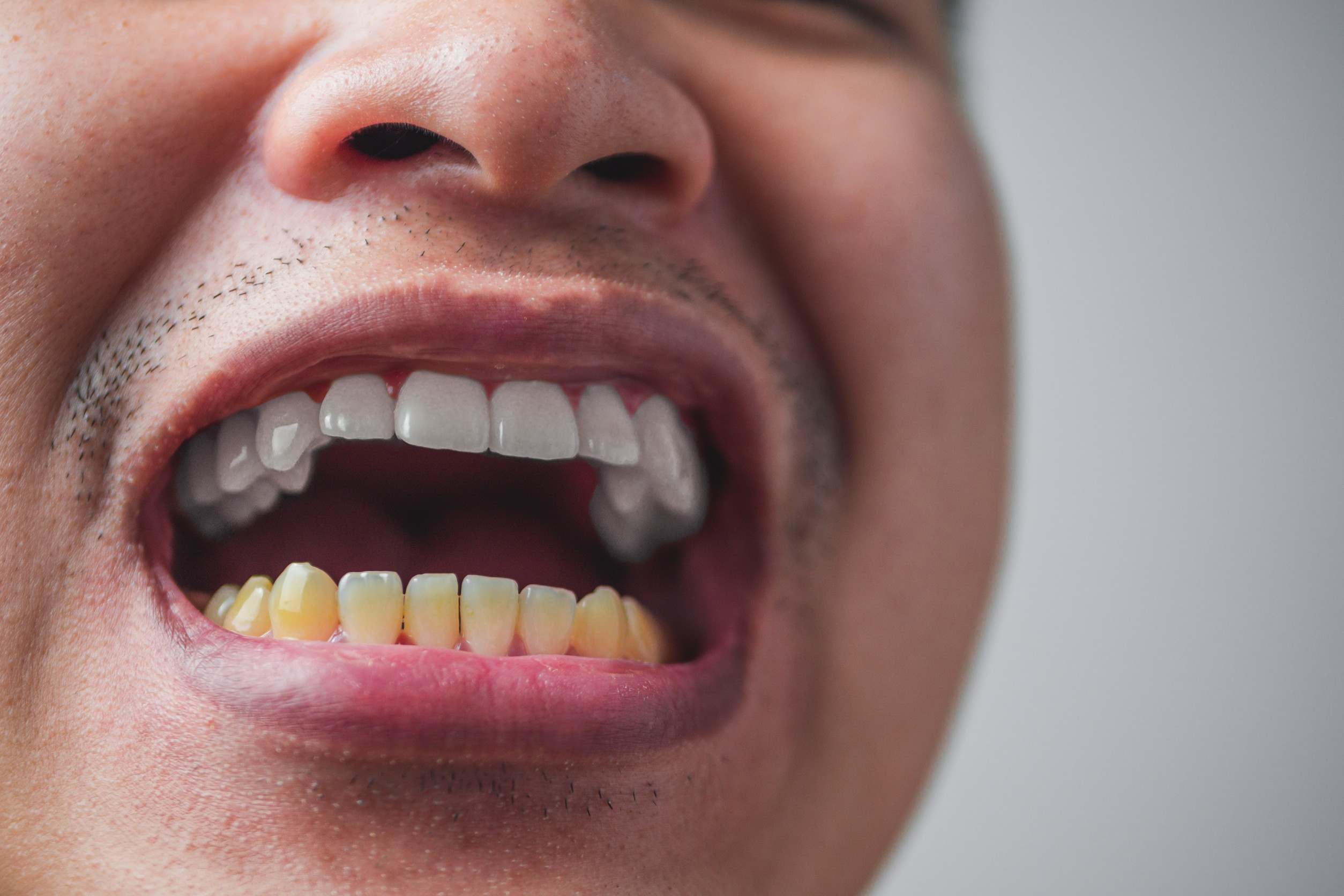
When you hear “malocclusion” or “bad bite,” it might sound like a purely dental term. In reality, it describes how your teeth and jaws fit together every time you chew, speak, or swallow. If that bite relationship is off, it can quietly affect much more than your smile.
For patients across East Tennessee, understanding malocclusion is not just about deciding whether to straighten teeth. It is about understanding how different bite problems can influence tooth wear, gum health, jaw joints, breathing, digestion, and overall comfort. This guide breaks down the major types of bad bites, what causes them, and why getting them checked by an orthodontist is such an important step for long term health.
What is malocclusion and what is a “bad bite”?
Malocclusion simply means that the upper and lower teeth do not come together in a healthy, balanced way when you close your mouth. That can show up as crooked teeth, spacing, overbites, underbites, crossbites, open bites, or combinations of these patterns.
A “bad bite” can be obvious or very subtle. Sometimes you can see teeth overlapping or flaring forward. Other times, the bite may look mostly normal but still places extra strain on certain teeth or the jaw joints.
If you want a detailed, parent friendly explanation of how habits and growth can create malocclusion, the article on common childhood habits and malocclusion is a great starting point. It explains how thumb sucking, pacifiers, and tongue thrust can change the way a child’s bite develops.
The main classes of malocclusion
Dentists and orthodontists often describe bite problems using “Class I, Class II, and Class III” categories. These refer to how the upper and lower jaws and molars relate to each other.
Class I malocclusion
In Class I, the back teeth line up correctly, but the front teeth may be crowded, rotated, or spaced. This is one of the most common patterns and can include:
- Crowding and overlapping front teeth
- Gaps between teeth
- Rotations or teeth turned out of position
Even though the basic jaw relationship is normal, Class I malocclusion can still make cleaning difficult and increase the risk of cavities and gum inflammation.
Class II malocclusion (often called “overbite”)
In Class II, the upper teeth and jaw sit ahead of the lower teeth and jaw. This can create:
- Prominent upper front teeth
- A weak or retruded chin
- Difficulty closing the lips comfortably
Class II bites may be partly due to jaw position and partly due to tooth position. Over time, they can lead to extra wear on front teeth and strain on the jaw joints. For a clear breakdown of how braces and appliances move the jaws and teeth into better harmony, you can explore how braces correct bite issues and improve jaw alignment.
Class III malocclusion (often called “underbite”)
In Class III, the lower teeth and jaw sit ahead of the upper teeth and jaw. This often looks like:
- A more prominent lower jaw
- Lower front teeth that overlap or sit in front of upper front teeth
- Difficulty biting into foods with the front teeth
Class III bites can have a strong genetic component and may require earlier monitoring and more involved treatment. Left uncorrected, they can significantly affect chewing and facial balance.
Other common “bad bite” patterns
Beyond the basic classes, there are several other patterns that fall under the malocclusion umbrella.
Overjet and deep bite
- Overjet is the horizontal distance between upper and lower front teeth. Very large overjet can leave front teeth more vulnerable to injury and make biting into foods challenging.
- Deep bite is when the upper front teeth cover too much of the lower front teeth when you bite down. This can cause:
- Excessive wear on lower front teeth
- Irritation to the gums behind the upper front teeth
- Jaw fatigue or discomfort
Open bite
An open bite occurs when the upper and lower teeth do not touch in the front or back when the mouth is closed. You might see:
- A visible gap between front teeth when biting together
- Difficulty biting through foods like sandwiches or pizza
- Speech changes, such as lisping
Open bite is often related to habits like thumb sucking or tongue thrust, which is why the common childhood habits and malocclusion article is especially helpful for families.
Crossbite
A crossbite happens when upper teeth bite inside lower teeth on the front or sides instead of overlapping slightly on the outside. It can:
- Cause the jaw to shift to one side when closing
- Lead to uneven wear on enamel
- Contribute to jaw joint strain over time
Crowding and spacing
Crowding and spacing can exist on their own or along with other bite problems. Both can make cleaning more difficult and affect the way the bite works, even if the basic jaw relationship is normal.
What causes malocclusion? Genetics and beyond
Genetics plays a major role in jaw size, tooth size, and growth pattern. If you or your parents had braces, jaw surgery, or extractions for crowding, there is a good chance some of those traits are showing up again.
You can read a full breakdown in the article on the genetics of your smile and why teeth can be crooked. It explains how children may inherit a small jaw from one parent and larger teeth from another, or vice versa, setting up crowding or spacing.
However, not everything is written in your DNA. Other contributors include:
- Thumb or finger sucking beyond the toddler years
- Prolonged pacifier use
- Tongue thrusting and low tongue posture
- Mouth breathing related to allergies or airway issues
- Early loss of baby teeth due to cavities or trauma
- Untreated decay and gum disease that change tooth support
These environmental and habit related factors can magnify genetic tendencies or even create malocclusion in someone with relatively neutral genetics. Catching them early makes a big difference.
How bad bites impact oral health long term
Malocclusion is more than a cosmetic concern. Because teeth and jaws are used constantly, any imbalance can lead to real health consequences over time.
Higher risk of cavities and gum disease
Crowded and rotated teeth create tight, hard to clean spaces where plaque and food collect. This can lead to:
- Cavities between teeth
- Red, swollen, or bleeding gums
- Bone loss around teeth in severe cases
Straightening teeth and balancing the bite allow better access for brushing and flossing. To see how alignment and gum health are connected, take a look at the guide on improving gum health with orthodontics to prevent gum disease.
Uneven tooth wear and fractures
When certain teeth carry more load than others, they begin to show:
- Flattened edges
- Chips and cracks
- Sensitivity to temperature and pressure
The article on the lifetime health benefits of a corrected smile and bite explains how balancing the bite spreads forces more evenly, protecting enamel and prolonging the life of your natural teeth.
Jaw joints, headaches, and malocclusion
Your temporomandibular joints (TMJs) act like sliding hinges on each side of your face. A misaligned bite can force these joints to adapt every time you close your mouth, chew, or talk. Over time, this may contribute to:
- Jaw clicking or popping
- Facial or ear pain
- Tension headaches
- Limited or painful opening
While TMJ disorders can have multiple causes, poorly aligned teeth and jaws are often part of the picture. The team at East Tennessee Orthodontics explores this connection in their blog on whether orthodontics can help with TMJ disorders. If your bite feels off and you also have jaw symptoms, a bite evaluation is highly recommended.
Bite problems, breathing, and speech
Teeth and jaws play a key role in how air moves through your mouth and how your tongue shapes sounds. Certain malocclusions can:
- Encourage mouth breathing rather than nasal breathing
- Narrow the dental arches, which can reduce tongue space
- Interfere with clear pronunciation, especially sounds that require precise tongue placement
The article on the impact of orthodontics on speech and breathing issues explains how correcting malocclusion can help improve airflow and speech clarity for many patients. In children, early treatment may prevent speech issues from becoming ingrained habits.
Systemic health: why a bad bite reaches beyond your mouth
Poor oral health has been linked to broader health concerns such as heart disease, diabetes complications, and respiratory problems. Because malocclusion makes it harder to keep teeth and gums healthy, it can indirectly influence your overall health.
The team summarizes this bigger picture in their article on the connection between oral health and orthodontics. Straightening teeth, correcting the bite, and supporting healthy gums are not just cosmetic goals. They are part of building a healthier body.
In addition, untreated malocclusion often leads to more complex dental work later, including crowns, root canals, extractions, and implants. The blog on how orthodontics can prevent more serious dental issues in the future shows how dealing with bite problems now can save both teeth and money over the long term.
How orthodontic treatment corrects malocclusion
Modern orthodontics offers many tools to correct bad bites in children, teens, and adults. Treatment might include:
- Braces that slowly reposition teeth and refine the bite
- Clear aligners that move teeth with removable trays
- Expanders to widen narrow jaws in growing patients
- Elastics or other attachments that guide the jaws into better alignment
If you are curious about the treatment side of the story, the overview of expert orthodontic services in East Tennessee walks through braces, clear aligners, early treatment, and adult options. For adults who worry they have waited too long, the article on adult orthodontics in East TN for better oral health explains how bite correction can still deliver significant health and confidence benefits at any age.
Orthodontists focus on more than just making teeth look straight. They design treatment so the bite functions well, the smile is stable, and long term oral health is protected.
When to have a bite evaluation
You do not need to wait for pain or major problems to schedule a bite evaluation. Signs that it may be time to see an orthodontist include:
- Noticeable crowding, spacing, or rotated teeth
- Difficulty chewing certain foods
- Jaw soreness or clicking
- Chronic headaches that seem to start near the temples or jaw
- Speech concerns or mouth breathing in children
- A bite that feels off, even if it looks mostly straight
If you recognize yourself or your child in any of these patterns, a consultation can bring clarity and a plan. When you are ready, you can reach out through the East Tennessee Orthodontics contact page to schedule an appointment in Oak Ridge, Powell, or Karns.
Frequently asked questions about malocclusion and bad bites
Is malocclusion always genetic?
No. Genetics plays a big role in jaw size and tooth size, but habits and environment matter too. Thumb sucking, mouth breathing, tongue thrust, early tooth loss, and untreated dental problems can all contribute to malocclusion. Often it is a combination of inherited traits and life factors.
Can a bad bite get worse over time if it is not treated?
Yes. As you chew, clench, and swallow day after day, uneven forces can cause teeth to shift, wear down, or flare out. In children, jaw growth can exaggerate existing bite problems. In adults, alignment often becomes more crowded with age. This is one reason the practice emphasizes investing in orthodontics for long term dental health.
Does every malocclusion need braces or aligners?
Not necessarily. Some mild issues are mostly cosmetic, and others may be stable enough that careful monitoring is all that is needed. The decision depends on how the bite affects chewing, tooth wear, gum health, speech, jaw comfort, and your personal goals. An orthodontist can explain whether treatment is recommended or optional in your specific case.
Can clear aligners fix serious bite problems, or are braces better?
Clear aligners can correct many types of malocclusion, especially mild to moderate crowding, spacing, and some bite discrepancies. More complex cases, particularly those involving significant jaw relationships, may respond better to braces or a combination of braces and other appliances. The article on how clear aligners can fix gaps, crowding, and misalignment explains what aligners do best and when braces might still be the ideal choice.
Can fixing my bite really help my jaw pain and headaches?
If your pain is related to bite imbalance or jaw strain, improving the way your teeth and jaws meet can reduce stress on the TMJ and chewing muscles. Many patients notice less jaw fatigue and fewer tension headaches after treatment. To see how bite correction and jaw comfort work together, you can read about TMJ and bite correction for jaw pain relief.
Is it worth treating a bad bite if my teeth already look “pretty straight”?
Yes, it can be. A bite that looks acceptable in the mirror can still be unbalanced and cause problems like uneven wear, gum recession, or jaw discomfort. Orthodontists look at how your teeth function together, not just how straight they appear from the front. Correcting subtle bite issues now can help you avoid more extensive dental work later.
Malocclusion is common, but it is not something you have to live with forever. Understanding your bite is the first step. If you are ready to find out which type of malocclusion you or your child may have and what it means for long term health, an orthodontic consultation can give you answers and a clear path forward.

-1.svg)

