
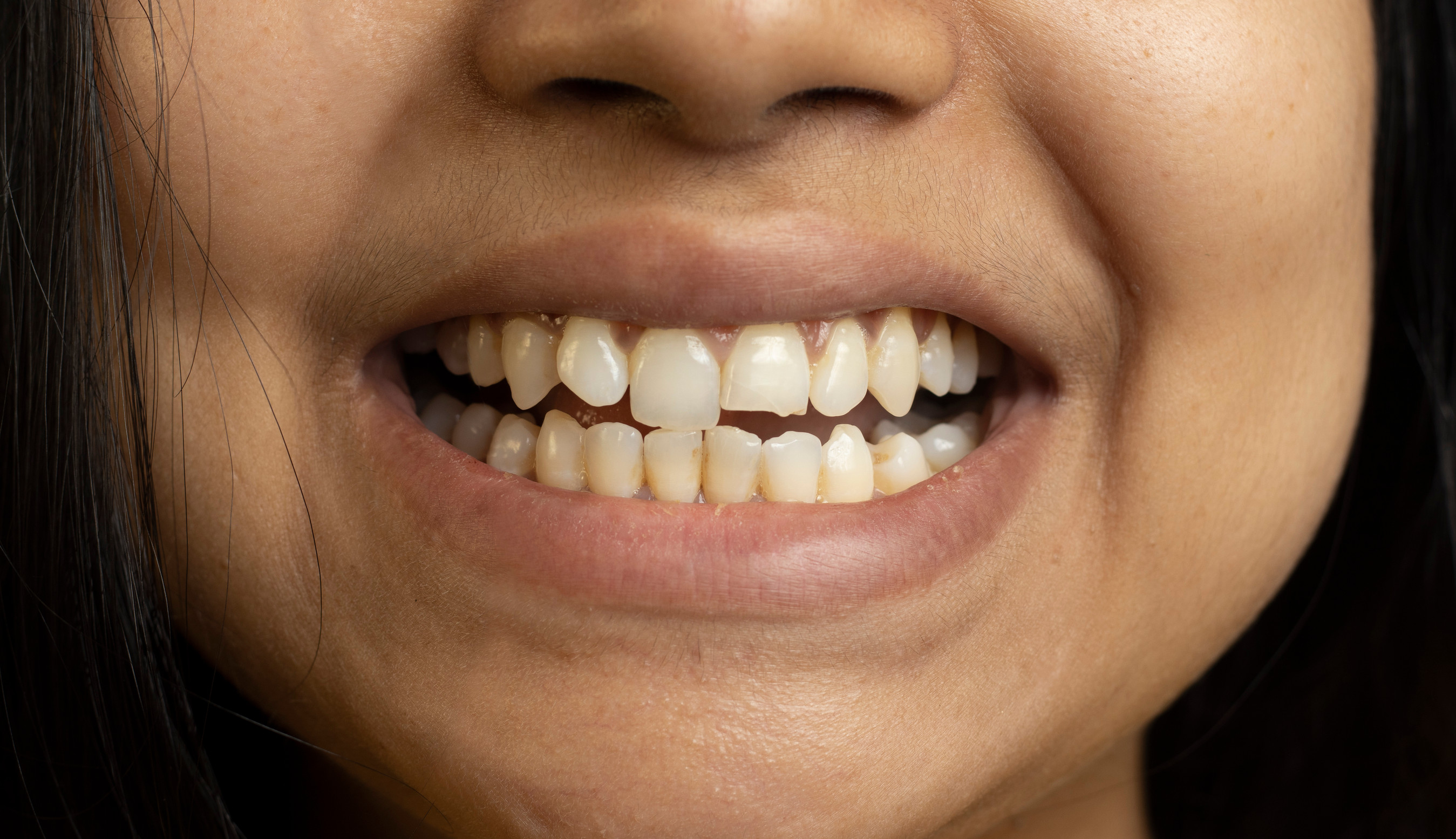
Tooth wear is one of those problems that often sneaks up on people. You may notice your front teeth look shorter than they used to, your molars feel flatter, or a once smooth edge now looks chipped. For many patients, the real surprise is the cause. A lot of progressive wear is not just “getting older” or “having strong teeth.” It is mechanical stress from a bite that is not balanced.
When teeth do not fit together correctly, they can function like mismatched gears. Instead of distributing chewing forces evenly across many teeth, your bite may concentrate pressure on a few spots, create harmful sliding contacts, or force your jaw to shift to find a comfortable position. Over time, that repeated friction and pressure can literally grind enamel away.
This article explains why misaligned teeth wear down, what types of bite issues tend to cause the most damage, the warning signs to watch for, and the practical steps that can protect your enamel long term. If you want a big picture view of solutions, start with this overview of orthodontic services in East Tennessee.
Tooth wear is not just one thing
When people say “my teeth are grinding down,” they are usually describing one or more of these processes.
Attrition: tooth on tooth wear
Attrition is wear caused by teeth rubbing against other teeth. This is the classic “grinding down” pattern and often shows up as:
- Flat chewing surfaces
- Shorter front teeth
- Small chips along the edges
- Matching wear patterns on upper and lower teeth
Abrasion: tooth wear from external friction
Abrasion is wear from something other than tooth on tooth contact, such as aggressive brushing or certain habits. It often shows near the gumline.
Erosion: chemical wear
Erosion is enamel loss from acids, often from diet or reflux. Erosion can make teeth more vulnerable to attrition because softened enamel wears faster under pressure.
Many patients have a combination. A misaligned bite may create the friction, while acid exposure makes enamel more likely to lose the fight.
The core problem: an uneven bite creates “hot spots” of pressure
A healthy bite spreads chewing forces across multiple teeth and stabilizes the jaw in a consistent position. A misaligned bite does the opposite. It may create:
- One or two teeth that hit first and take most of the force
- Sliding contacts where teeth scrape past each other as the jaw closes
- A shifted jaw position that loads one side more than the other
Think of enamel like the tread on a tire. If the alignment is off, one area wears down faster. Over months and years, those “hot spots” turn into flattened teeth, cracks, sensitivity, and restorations.
If you want a clear breakdown of common bite patterns and why they matter, the guide to malocclusion types and their impact on health is a helpful reference.
Why enamel loses the battle in an imbalanced bite
Enamel is strong, but it is not indestructible. Misalignment can accelerate wear through a few predictable mechanisms.
1) Repeated micro trauma
When a tooth takes too much force too often, it can develop microscopic cracks. Over time, those cracks grow and can lead to:
- Chipping
- Cusp fractures on molars
- “Crazing” lines that catch stain
- Sensitivity when biting
2) Harmful sliding contacts
Some bites create a scraping motion as the jaw closes or moves side to side. That friction literally rubs enamel away. Patients often describe it as “my teeth feel like they are rubbing.”
3) Unstable jaw position
If your jaw shifts to make your teeth fit together, your chewing muscles may work harder to stabilize the bite. That extra muscle activity often increases clenching and grinding, which adds even more wear.
For a deeper look at how bite mechanics relate to overall oral function, see how jaw alignment affects your overall oral health.
Bite issues that commonly cause teeth to grind down faster
Not every crooked smile leads to severe wear, but certain malocclusions are notorious for it.
Edge to edge bite
When the front teeth meet directly, there is less protective overlap. That often leads to:
- Rapid flattening of front teeth
- Chipping of incisors
- Sensitivity at the edges
Deep bite
A deep bite can drive the lower front teeth into the backs of the upper front teeth or the gum tissue behind them. Common results include:
- Lower front teeth wearing down
- Upper front teeth thinning at the edges
- Gum irritation behind the upper teeth
Crossbite
A crossbite can force the jaw to shift and can overload certain teeth, especially during chewing. It can also create sideways forces that teeth are not designed to handle well.
Crowding and rotations
Crowded teeth may contact in unusual ways, creating premature contacts and deflective slides. Rotations can also cause “high spots” that hit first.
Open bite with compensations
While an open bite may reduce front tooth contact, many patients compensate by using side teeth more aggressively or chewing differently. This can still lead to uneven wear, especially in back teeth, depending on the pattern.
Night grinding, clenching, and bite interference
Many people grind or clench at night without realizing it. Stress, sleep quality, airway issues, and nervous system patterns can all play roles. But bite alignment still matters because it influences where forces land.
When teeth are misaligned, you are more likely to have:
- A few teeth taking the brunt of nighttime clenching
- A “slide” into the bite as your jaw searches for a stable position
- Muscle overactivity as your body tries to stabilize the jaw
Over time, that can accelerate wear dramatically.
If you suspect your jaw is involved, you may find it helpful to read TMJ and bite correction and how orthodontic treatment can relieve jaw pain. It explains how bite balance, muscle tension, and jaw comfort connect.
The wear cycle: how misalignment creates more misalignment
Here is the frustrating part. Tooth wear can make a bite worse, which increases wear even more.
- A few teeth wear down or chip
- Your bite becomes less even
- Your jaw shifts or slides more to find contact
- Grinding and clenching increase
- Wear accelerates across more teeth
This is why early intervention is so valuable. The goal is not just to stop wear today, but to prevent the cascade that leads to larger dental repairs later.
For the broader health and prevention perspective, see the lifetime health benefits of a corrected smile and bite.
Gum recession and sensitivity can be part of the picture
Tooth wear is not the only consequence of a misaligned bite. When forces are concentrated, they can contribute to:
- Gum recession around overloaded teeth
- Increased tooth mobility in severe cases
- Gum inflammation that is harder to control if teeth are crowded
That matters because gum recession exposes root surfaces, which are softer than enamel and wear faster. It also increases sensitivity and can raise the risk of cavities along the roots.
If you are thinking about wear prevention and gum protection together, the guide on improving gum health with orthodontics is a helpful complement.
How orthodontic treatment reduces destructive wear
Orthodontics is not only about straight teeth. It is often about creating a bite that functions with less friction, less strain, and better force distribution.
When teeth are aligned and the bite is balanced, orthodontic treatment can:
- Reduce “first contact” hot spots
- Improve how the back teeth mesh during chewing
- Create healthier front tooth guidance that protects molars in side to side movements
- Lower the tendency to slide into the bite, reducing friction
- Support a more stable jaw position for muscles and joints
The article how braces correct bite issues and improve jaw alignment explains these mechanics in patient friendly terms.
Braces vs aligners for bite driven wear
Both can help, depending on the case. The best option is the one that gives your orthodontist the control needed to correct how your teeth meet. Some wear patterns require very precise bite correction, and your orthodontist will recommend what fits your needs.
Where nightguards and retainers fit into wear prevention
It is common for patients with significant wear or clenching to ask: should I wear a nightguard, or do I need orthodontics, or both?
Nightguards can protect enamel
A well fitted guard can reduce direct tooth on tooth contact during sleep. That can slow wear and reduce symptoms like morning jaw tightness.
But a guard does not fix an imbalanced bite
If the bite is the reason certain teeth take too much force, protection helps, but alignment correction often addresses the root mechanical issue.
After orthodontics, retention matters
Even after bite correction, teeth naturally try to shift. A small shift can change contact points and bring back hot spots. This is why long term retention is so important for protecting your bite and your enamel. The blog Retainers After Braces: The Forever Rule for East Tennessee Smiles explains how retainers help keep your bite stable.
Early warning signs that your teeth may be wearing from misalignment
Some signs are visible. Others are subtle. Watch for:
- Teeth that look shorter than they used to
- Flat spots on the edges of front teeth
- Chips that keep returning
- Increased tooth sensitivity, especially when biting
- A “notch” or worn area on one tooth that looks worse than others
- Jaw fatigue during meals or in the morning
- Headaches that feel connected to clenching
- A bite that feels uneven or like it shifts when you close
If you are already in braces or aligners and dealing with discomfort, this guide to orthodontic pain management can help you distinguish normal soreness from something worth calling about.
What to do if you think your bite is wearing your teeth down
Here is a simple step by step approach that helps patients take action without overthinking it.
Step 1: document what you see
Take a few clear photos of:
- Your front teeth from straight on
- Your front teeth from the side
- Your bite closed from the side
- Any chips or flat spots you are concerned about
This helps you notice changes over time and helps your orthodontist understand your concerns quickly.
Step 2: note symptom patterns
Write down:
- When sensitivity happens
- Whether you wake up with jaw tightness
- Whether you chew mostly on one side
- Whether chips happen on the same teeth
Step 3: schedule a bite focused evaluation
A proper evaluation looks at tooth alignment, bite contacts, jaw position, and wear patterns. If treatment is recommended, you will also discuss protective strategies along the way.
You can start by booking through the East Tennessee Orthodontics contact page.
Step 4: protect what you have while planning
Depending on your situation, you may be advised to:
- Use a nightguard if grinding is significant
- Avoid chewing ice or hard candies
- Be cautious with very hard or very chewy foods if you are chipping teeth
- Address reflux with your physician if erosion is suspected
What happens if you do nothing: the restorative domino effect
Wear does not always stop on its own. As enamel thins, teeth become more vulnerable to:
- Larger fractures
- Repeated bonding repairs
- Crowns to rebuild shape and function
- Root canal treatment if cracks reach the nerve
- Bite collapse if multiple teeth shorten significantly
Orthodontic treatment is not a guarantee against future dental work, but correcting the mechanical bite issues early often reduces the likelihood of repeated repairs.
FAQs: Tooth Wear, Grinding, and Bite Alignment
1) Can crooked teeth cause grinding even if I am not stressed?
Yes. Stress can increase grinding, but bite instability can also trigger clenching and grinding as your body searches for a stable jaw position.
2) Why do I keep chipping the same tooth?
A repeated chip often means that tooth is taking too much force or hitting first. That is a classic sign of a bite “hot spot.”
3) Can aligners fix bite related tooth wear?
Often yes, depending on the case. The key is whether aligners can create the bite contacts and tooth positions needed for stability and force distribution.
4) Will orthodontics stop grinding completely?
Not always. Some people grind due to nervous system patterns or sleep factors. But bite correction can reduce destructive contacts and may lower strain and symptoms for many patients.
5) Should I get a nightguard before orthodontic treatment?
Sometimes. If wear is active and significant, protection may be recommended while you plan longer term bite correction.
6) Is tooth wear reversible?
Enamel does not grow back. Treatment focuses on stopping progression and, when needed, restoring tooth shape with bonding or crowns.
Conclusion: Misalignment turns normal chewing into chronic friction
Misaligned teeth often grind themselves down because an unbalanced bite concentrates force, creates friction, and triggers compensations in the jaw and muscles. Over time, that can flatten enamel, chip edges, increase sensitivity, and lead to bigger dental repairs.
If you are noticing wear, chipping, jaw fatigue, or an uneven bite, it is worth getting a bite focused orthodontic evaluation. Start by exploring orthodontic services in East Tennessee, then take the next step by reaching out through East Tennessee Orthodontics contact options to schedule a consultation focused on protecting your teeth for the long run.

-1.svg)

