
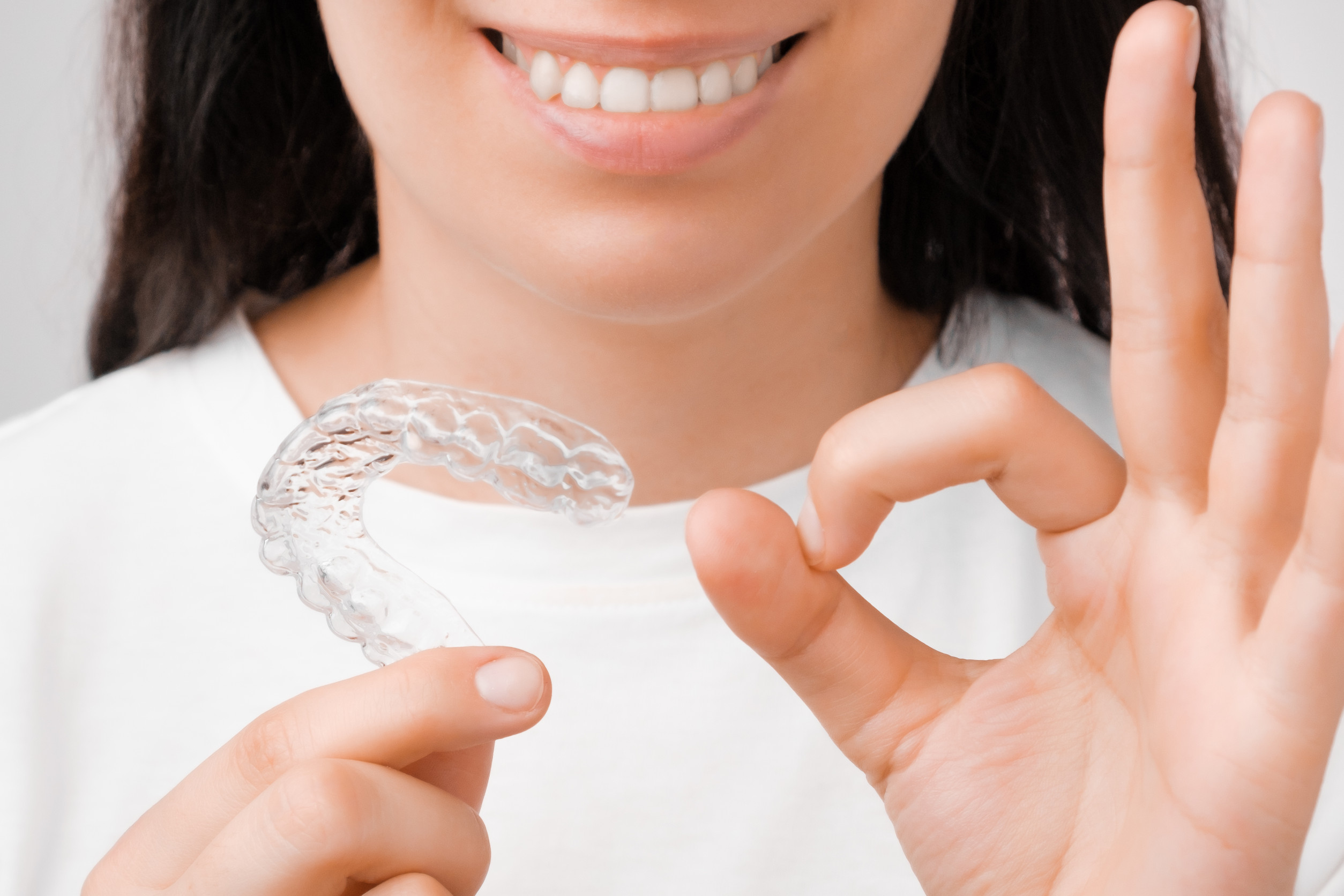
Clear aligners have become one of the most popular orthodontic solutions for teens and adults. They are discreet, removable, and convenient, but like any orthodontic appliance, they require proper care to remain clear, fresh, and effective. The lifespan of each clear aligner tray depends heavily on how well you clean it, how you store it, and how you handle it throughout the day.
This guide explains everything you need to know about aligner care, including daily cleaning routines, long term maintenance habits, storage essentials, and when a tray should be replaced. By following these practices, you can protect both your aligners and your smile throughout treatment.
Why Clear Aligner Care Matters
Each aligner is custom made to apply precise pressure to your teeth. If an aligner becomes warped, dirty, cracked, or discolored, it may not fit correctly or deliver the intended movement. Poor aligner care can also lead to bad breath, plaque buildup, gum irritation, and a less discreet appearance.
By understanding how long aligners last and how to protect them, you can keep your trays clear and comfortable while staying on track with your treatment timeline.
How Long a Clear Aligner Should Last
Most aligners in a treatment plan are designed to last about one to two weeks before moving on to the next tray. During that time, they must maintain their shape and clarity. Even though the lifespan is short, daily maintenance is crucial because a damaged or warped aligner can delay your progress.
Daily Cleaning Routine for Clear Aligners
Cleaning your aligners is one of the most important parts of preserving their clarity and integrity. A proper routine helps prevent staining, odor, buildup, and bacterial growth.
Simple daily cleaning steps
- Rinse when removed
Any time you take your aligners out, rinse them with cool or lukewarm water. This prevents saliva from drying on the trays. - Brush with a soft toothbrush
Use a soft bristled toothbrush dedicated to aligner cleaning. Brush gently with clear, mild soap. Toothpaste is not recommended because it can scratch the plastic and make aligners appear cloudy. - Soak as needed
A few times a week, soak your aligners in an approved cleaning solution. This keeps them fresh and helps remove buildup in small crevices. - Rinse thoroughly before wearing
Make sure all cleaning products are fully rinsed away before placing aligners back in your mouth. - Brush and floss your teeth before reinserting
Trapping food particles against your teeth inside aligners increases the risk of staining and decay.
A clean aligner is more comfortable, more discreet, and more effective.
What Not to Use When Cleaning Aligners
Some cleaning products can damage or discolor aligners. Avoid the following:
- Toothpaste
- Colored soaps
- Whitening products
- Hot water
- Household cleaning chemicals
- Alcohol based mouthwash
These can scratch, warp, or stain the trays.
Deep Cleaning Your Aligners
In addition to daily brushing and rinsing, deep cleaning once or twice per week is recommended. A gentle soak helps remove buildup that basic brushing may miss.
If your orthodontist recommends a specific cleaner, follow those instructions closely. Do not use boiling water or harsh chemicals, since these will distort the tray.
Proper Storage: Keeping Aligners Safe
Storage habits play a major role in aligner lifespan. Most aligner loss and damage occurs when trays are removed during meals or brushing.
Best practices for storing aligners
- Always place aligners in their case when not in use.
- Avoid wrapping aligners in napkins which often leads to accidental disposal.
- Keep aligners away from heat including cars, windowsills, and pockets near warm devices.
- Store them out of reach of pets since aligners can attract dogs due to scent.
- Clean the case regularly with mild soap and water to avoid transferring bacteria.
Storing your aligners properly prevents warping, cracking, and contamination.
How Heat Affects Aligner Lifespan
Heat is one of the greatest threats to clear aligners. Even brief exposure to high temperatures can distort the plastic. Once warped, the aligner may no longer fit properly and can disrupt your progress.
Avoid these situations:
- Leaving aligners in a hot car
- Rinsing them with hot water
- Soaking them in warm or hot solutions
- Placing them near appliances that generate heat
Always use cool or lukewarm water when cleaning and rinsing.
Signs Your Clear Aligner Needs to Be Replaced
Even if you follow all care instructions, some aligner trays may wear out early or become damaged due to normal use. Recognizing when a replacement is needed is important for maintaining your treatment timeline.
Common indicators
- Cracks or fractures in the plastic
- Warping or a loose fit from heat exposure or biting pressure
- Severe cloudiness or staining that cleaning will not remove
- Sharp edges that irritate the gums or cheeks
- An aligner that no longer seats fully against the teeth
If you notice any of these signs, contact your orthodontist promptly so a replacement can be arranged.
What to Do If an Aligner Breaks or Is Lost
Accidents can happen, even with careful handling. If you lose or damage a tray, take these steps:
- Call your orthodontist right away for guidance.
- Use the previous tray temporarily if advised.
- Never try to repair an aligner with glue or heat.
- Request a replacement aligner to keep your treatment on schedule.
Timely action is essential to avoid setbacks.
Eating and Drinking Guidelines to Protect Aligners
Food and beverages can stain or warp aligners, which is why removing them during meals is required. The only exception is drinking water.
Tips to help aligners last longer
- Remove aligners for all meals and snacks.
- Avoid drinking anything but plain water while wearing aligners.
- Brush your teeth before putting aligners back in.
- Carry your case with you at all times to prevent loss.
Good habits during meals significantly extend the clarity and lifespan of each tray.
Keeping Aligners Fresh During the Day
Since aligners are worn for more than twenty hours per day, keeping them smelling fresh is important for confidence and comfort.
A few simple habits can help:
- Rinse aligners after each removal.
- Clean your tongue and gums thoroughly when brushing.
- Stay hydrated to reduce dry mouth.
- Avoid strongly flavored foods right before reinserting trays.
Fresh aligners make your treatment feel more pleasant and hygienic.
Long Term Care for Refinement Aligners and Retainers
After your primary aligner series, you may receive refinement trays or retainers. These require the same cleaning and storage habits as active aligners, but their lifespan is longer, so consistent care becomes even more important.
Retainers can last for years when cleaned properly. Store them in a protective case, keep them away from heat, and follow your orthodontist’s specific instructions for wear.
Traveling With Clear Aligners
Travel requires additional care and planning. To keep aligners in good condition while on the go, follow these tips:
- Bring your current aligner set and the next set if your switch date falls during travel.
- Pack your aligner case in your carry on bag.
- Carry travel sized cleaning supplies like a toothbrush and mild soap.
- Avoid leaving aligners in hot locations such as parked cars.
With preparation, aligner care remains simple and consistent during travel.
Protecting Aligners From Damage
The better you treat your aligners, the longer each tray will last. Here are common habits that harm aligners and how to avoid them:
- Do not bite down on aligners to seat them. Use gentle pressure with your fingertips instead.
- Do not use sharp objects to remove aligners. Use approved removal tools if needed.
- Avoid chewing gum while aligners are out. Residue can cling to the plastic.
- Avoid setting aligners on a countertop or table where they can collect germs or be stepped on.
Being mindful reduces the risk of cracks, scratches, or warping.
How Good Aligner Care Supports Treatment Success
Well maintained aligners fit properly, look better, feel more hygienic, and move teeth efficiently. Poorly maintained aligners can slow progress, create discomfort, or lead to unsatisfactory results.
Good cleaning, proper storage, and timely replacement ensure that each tray can do its job correctly. Aligner care is one of the simplest and most effective ways to protect your investment in your smile.
Conclusion
Clear aligners are highly effective orthodontic tools, but they require careful handling to stay clean, clear, and functional. With a consistent cleaning routine, smart storage habits, and awareness of signs that indicate a tray needs to be replaced, you can keep your aligners in excellent condition throughout treatment.
Your aligners are designed to guide your teeth gently and precisely, and by caring for them properly, you help ensure your treatment stays on track and your smile stays healthy.
If you have questions about caring for your aligners or need guidance during treatment, reach out to East Tennessee Orthodontics through their Contact page for support and personalized advice.

-1.svg)

