
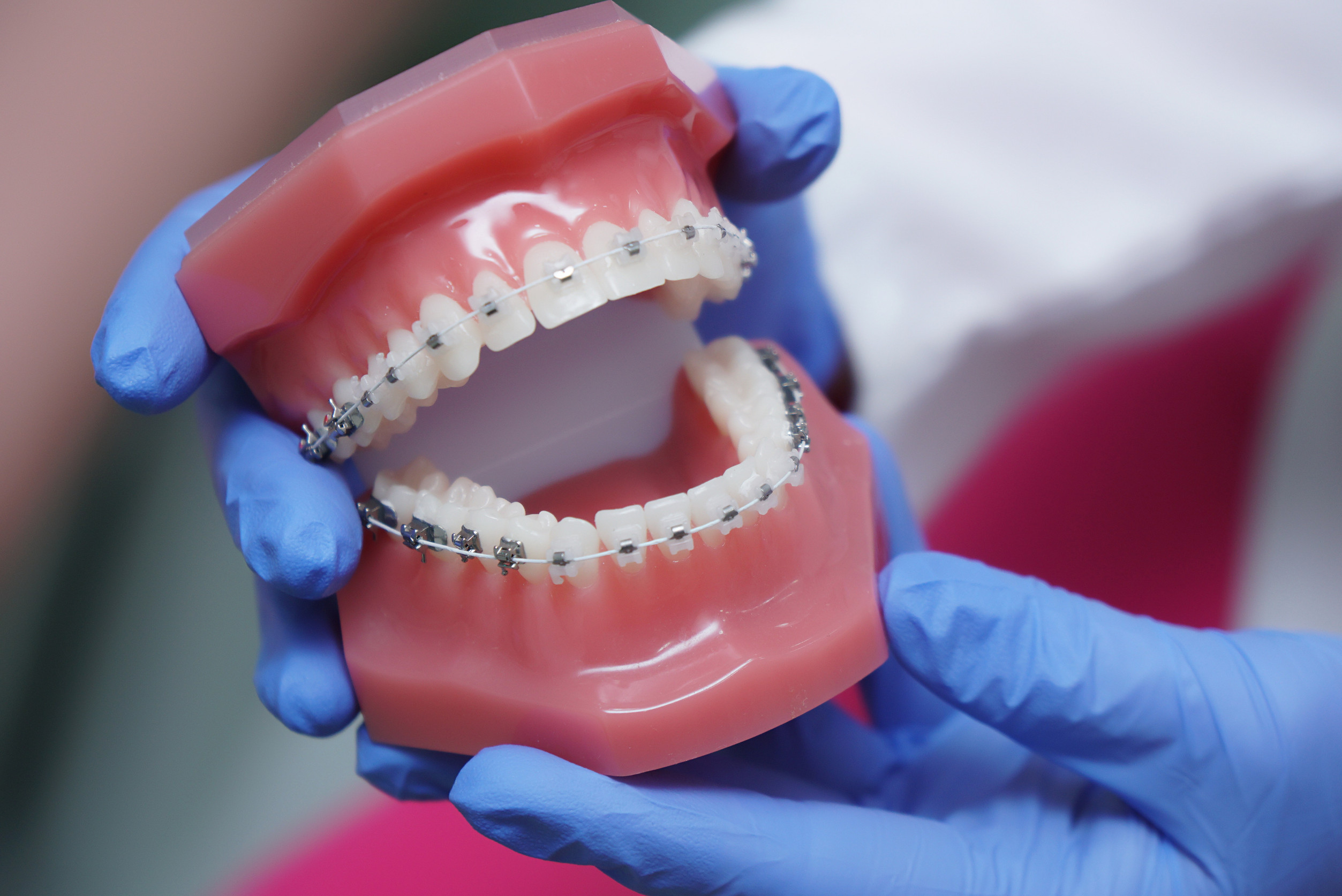
Dental insurance can feel simple until you start asking about orthodontics. Braces and clear aligners often fall into their own category of benefits with different rules, different caps, and different timing than regular dental work like cleanings and fillings. In Tennessee, coverage varies widely by employer, carrier, and plan type, so the smartest approach is to understand the common benefit structures, know what questions to ask, and get everything confirmed before treatment starts.
This guide explains how orthodontic coverage typically works in Tennessee dental insurance plans, what to look for in your policy, how pre treatment estimates work, and practical ways to maximize benefits for kids, teens, and adults. If you want to explore treatment options first, you can start with an overview of orthodontic services.
What counts as “orthodontic coverage” in dental insurance
Orthodontic coverage is usually a separate benefit category within a dental plan. It often has its own:
- Eligibility rules
- Waiting periods
- Percentage coverage
- Lifetime maximums
- Payment schedules
Many plans also divide orthodontic coverage by age, covering children and teens more often than adults.
Orthodontic coverage may apply to:
- Comprehensive braces treatment
- Clear aligners
- Retainers in some cases
- Certain orthodontic appliances (plan dependent)
It may not apply to:
- Cosmetic dentistry not related to orthodontic correction
- Replacement retainers beyond plan limits
- Missed appointment fees or some ancillary items
The details vary, which is why verification is essential.
Common orthodontic benefit structures you will see in Tennessee
Most plans fit into a few predictable models. Once you recognize these, it becomes easier to interpret your own plan.
1) No orthodontic benefit
Some plans exclude orthodontics completely, or only cover orthodontics for dependent children. If you see wording like “orthodontia excluded” or “dependent children only,” expect to pay out of pocket unless you have another benefit source like FSA or HSA.
2) Percentage coverage with a lifetime maximum
This is one of the most common formats. Example:
- 50 percent coverage
- Lifetime orthodontic maximum of $1,500
This means the plan pays 50 percent of the allowed amount until it reaches $1,500 total, then stops paying orthodontic benefits.
3) Fixed dollar benefit
Some plans pay a set amount toward orthodontics, such as $1,000 total, sometimes split into an initial amount and periodic payments.
4) Orthodontic coverage tied to network status
Many plans require in network providers for full benefits. Out of network coverage can be reduced or excluded. If you choose an out of network provider, your plan may:
- Pay a smaller percentage
- Use a lower allowed amount
- Apply different deductibles
- Not pay orthodontic benefits at all
The most important orthodontic insurance terms to understand
Lifetime orthodontic maximum
This is the total amount the plan will pay for orthodontics during your entire membership under that plan. It is not a yearly maximum. If your lifetime max is $1,500, that is it, even if treatment lasts two years.
Allowed amount
Insurance rarely pays a percentage of the orthodontist’s full fee. It often pays a percentage of the plan’s allowed amount. If the allowed amount is lower than the fee, your portion can be higher than expected.
Waiting period
Some plans require you to be enrolled for a set time before orthodontic benefits start. Waiting periods are common in some employer plans and some individual dental plans.
Deductible
Some plans apply a deductible to orthodontics, others do not. Some have separate deductibles for in network and out of network care.
Age limits
Many Tennessee employer plans cover orthodontics for dependents under a certain age, often 19. Adult orthodontic coverage exists, but it is less common.
How orthodontic insurance payments usually work
One of the biggest surprises for families is that orthodontic claims are often paid differently than regular dental work.
The “initial payment plus monthly payments” model
Many plans pay orthodontic benefits over time. A common structure is:
- A portion paid at the start (down payment benefit)
- The remaining benefit paid monthly or quarterly during active treatment
This matters because even if your plan covers $1,500 total, you may not receive it all at once. If you switch jobs or plans mid treatment, payments can stop depending on plan rules.
Why this matters for budgeting
If your orthodontic office offers a monthly payment plan, your insurance may also pay monthly. Those two schedules do not always align perfectly. A clear financial conversation should cover:
- Total fee
- Expected insurance contribution
- Timing of insurance payments
- Your down payment and monthly payment amount
- What happens if insurance pays less than expected
Child and teen orthodontic coverage in Tennessee
Orthodontic coverage is most common for dependent children. Even so, plans differ widely.
What to check for kids and teens
- Is orthodontics covered for dependents?
- What is the lifetime maximum?
- Is there an age limit?
- Is there a waiting period?
- Does the plan require pre treatment authorization?
- Does the plan require in network providers?
If your child is in the early evaluation stage, it helps to understand timing. Early orthodontic checkups may identify issues before they become more complex. For context on when and why early evaluation happens, see guide to early orthodontic evaluation Phase I for East TN children.
If your plan covers Phase I and Phase II
Some plans cover comprehensive orthodontics as one benefit, regardless of phase. Others have restrictions that can affect how benefits apply to two phase treatment plans. This is a great reason to ask for a pre treatment estimate and clarify how benefits will be applied.
Adult orthodontic coverage in Tennessee
Adult orthodontic coverage is growing, but it is still inconsistent. Some plans:
- Exclude adult orthodontics completely
- Cover adults with a lower lifetime maximum
- Cover adults only for specific medical indications (rare under dental plans)
If you are an adult considering braces or aligners, you may still have cost saving options even without orthodontic benefits:
- Health Savings Account (HSA)
- Flexible Spending Account (FSA)
- In office payment plans
- Family scheduling strategies for plan year timing
If you are exploring adult treatment paths, start with adult orthodontic treatment options.
How to verify orthodontic coverage the right way
Most insurance mistakes happen because people rely on assumptions or vague plan summaries. The best practice is to verify in writing whenever possible.
Step 1: Locate your plan details
Use your insurance portal or benefits booklet to find:
- Orthodontic coverage percentage
- Lifetime maximum
- Waiting periods
- Age limits
- Network requirements
Step 2: Ask your insurance the exact questions
Use clear questions like:
- Is orthodontic treatment covered for this patient?
- What is the lifetime orthodontic maximum, and how much has been used?
- Is there an orthodontic waiting period?
- Does orthodontic coverage require in network providers?
- How does the plan pay orthodontic claims, upfront or monthly?
- Are retainers included in orthodontic benefits?
Step 3: Request a pre treatment estimate
A pre treatment estimate helps reduce surprise bills. It is not a guarantee, but it provides a clearer expectation of how the plan will process the claim.
Step 4: Confirm what happens if the plan changes
Ask:
- If the patient changes plans mid treatment, will payments stop?
- If the employer changes carriers, what happens to remaining benefits?
This is especially relevant if treatment will last 18 to 30 months.
How to maximize orthodontic benefits in Tennessee
Use FSA or HSA strategically
If you have an FSA, timing matters because elections reset yearly. If you have an HSA, you may have more flexibility. Paying orthodontic payments with pre tax dollars can significantly reduce your true out of pocket cost.
Time treatment start around plan year when possible
Orthodontic benefits are often lifetime based, but deductibles and other dental benefits reset yearly. If your plan has related dental work needed before treatment, timing can matter.
Use in network benefits if your plan requires it
If your plan heavily penalizes out of network care, choosing in network can improve coverage. This is one of the most important financial factors to verify.
Confirm whether orthodontics is covered under dental, medical, or both
Most orthodontics is dental, but in rare cases medical may contribute when treatment is part of a broader medical issue. Your orthodontic team can help clarify what is realistic to pursue in your situation.
Common pitfalls that create insurance surprises
Pitfall 1: Confusing yearly max with lifetime max
The orthodontic maximum is often lifetime. Do not assume it resets each year.
Pitfall 2: Assuming a percentage applies to the full fee
The percentage usually applies to the allowed amount, not the full fee.
Pitfall 3: Not realizing insurance pays over time
Families sometimes expect the full benefit to arrive immediately, but many plans pay monthly.
Pitfall 4: Switching insurance mid treatment
If benefits pay monthly, switching plans can reduce total coverage.
Pitfall 5: Not confirming age limits
If your child is close to an age cutoff, timing matters.
How orthodontic treatment choice can interact with insurance
Insurance typically does not care whether you choose braces or aligners, but it can affect how fees are structured and how treatment is billed.
- Braces and clear aligners can both be billed under orthodontic codes.
- Some plans cover orthodontics regardless of appliance type.
- Some plans have exclusions for “cosmetic” orthodontics, though that is less common.
A consultation is where you can compare options based on clinical needs and lifestyle, then align the plan with your benefit structure. If you are comparing treatment types, you can review dental braces treatment and Invisalign clear aligners.
What to bring to your orthodontic consultation for faster insurance answers
Bring:
- Dental insurance card
- Subscriber information (name and date of birth)
- Employer plan name and group number
- Any benefit summary you have access to
- Questions about timing and plan year changes
If you want to get started, you can request an appointment through Contact Us.
Retainers and post treatment benefits: what insurance may not cover
Many plans do not cover replacement retainers, even if orthodontics was covered. Some plans treat retainers as part of orthodontic treatment, others do not. Ask specifically:
- Are retainers included in orthodontic benefits?
- Are replacement retainers covered?
- Is there a limit on replacements?
Because retainers protect the result, it is wise to plan for them financially regardless of insurance. If you want a long term perspective on retention, read Retainers After Braces: The Forever Rule for East Tennessee Smiles.
A simple checklist before you start orthodontic treatment
Use this checklist to avoid most billing surprises:
- Confirm orthodontic eligibility for the patient
- Confirm lifetime orthodontic maximum and remaining balance
- Confirm waiting period status
- Confirm in network requirements
- Confirm payment schedule for orthodontic claims
- Request a pre treatment estimate
- Confirm what happens if insurance changes mid treatment
- Ask whether retainers are covered
- Plan payment method using FSA or HSA if available
- Get a written financial agreement that matches the insurance estimate
Conclusion: insurance can help, but clarity is the real savings
Tennessee dental insurance orthodontic coverage is not one standard rule. It is a set of plan specific details that you can manage confidently when you know what to look for. The biggest savings often come from clarity: understanding lifetime maximums, payment timing, network rules, and what happens if coverage changes mid treatment.
If you want help reviewing treatment options and understanding next steps, start with orthodontic services and then schedule a consultation through Contact Us. A good orthodontic team will help you match a clinically sound plan with a financial approach that works for your family.

-1.svg)

