
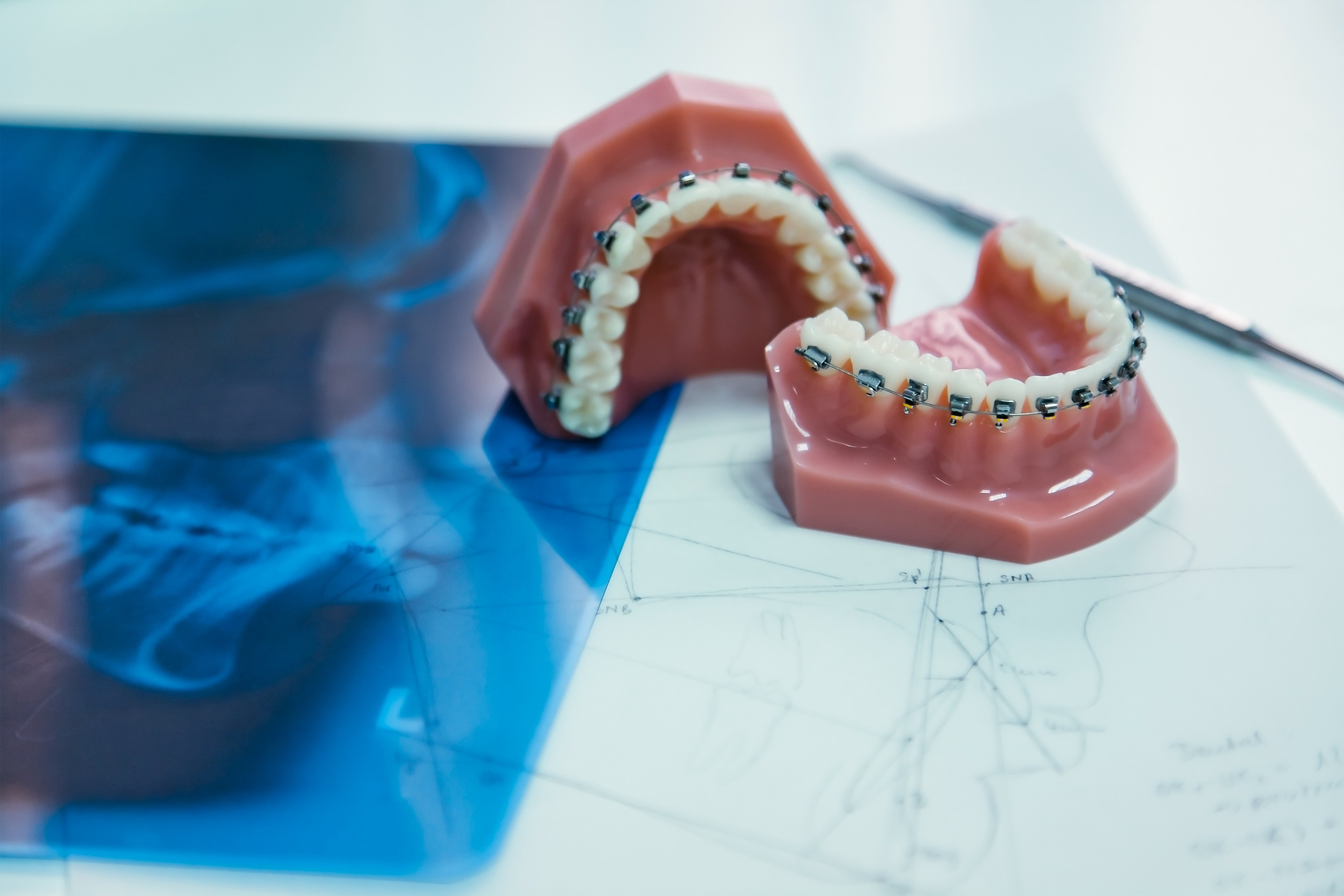
Orthodontic treatment can feel almost magical from the outside. Teeth that have been crowded, rotated, or spaced for years gradually line up into a healthier bite and a more confident smile. But nothing about tooth movement is magic. It is biology. Braces and aligners work because your body is constantly remodeling bone in response to gentle, controlled forces.
Understanding the science behind tooth movement helps patients and parents make better decisions. It explains why treatment takes time, why consistent wear matters, why missed appointments can add months, and why retainers are essential after the “active” phase ends. In this guide, you will learn how braces and aligners move teeth safely, what happens inside the bone, what can slow progress, and how to protect results long term.
If you want a big picture overview of options before diving into the biology, start with the practice’s overview of orthodontic services in East Tennessee.
Tooth movement is bone remodeling, not tooth “pushing”
A common misconception is that braces or aligners simply push teeth through the jaw like moving a peg in soft clay. In reality, teeth are anchored in bone by a living ligament called the periodontal ligament, often shortened to PDL. When orthodontic force is applied, your body responds by reshaping the bone around the tooth so it can settle into a new position.
Here is the simple version:
- The appliance applies a gentle force to a tooth.
- The PDL senses that force and triggers cellular activity.
- Bone is removed in one area and built up in another.
- The tooth moves through a controlled remodeling process.
This is why orthodontic treatment is both safe and predictable when planned properly. The goal is not to overwhelm the system. It is to guide it.
The periodontal ligament, the real hero of orthodontics
The periodontal ligament is a thin layer of connective tissue between the tooth root and the surrounding bone. It has blood vessels, nerves, and specialized cells that respond to pressure and tension.
When a tooth is moved:
- The side where the tooth is being “pushed” experiences compression.
- The opposite side experiences tension.
Those two zones trigger two different bone responses.
Compression side: bone resorption
On the compression side, the body recruits cells called osteoclasts, which remove bone. This creates space for the tooth to move into.
Tension side: bone formation
On the tension side, the body recruits osteoblasts, which build new bone. This stabilizes the tooth in its new position.
This constant balance is how braces and aligners remodel bone without causing damage when forces are kept within healthy limits.
Why orthodontic forces must be light and steady
The most efficient tooth movement comes from light, continuous forces rather than heavy, aggressive force. If force is too strong:
- Blood flow in the PDL can be reduced.
- The body may respond more slowly.
- Discomfort can increase.
- Risk of root resorption can rise in some patients.
This is why quality orthodontic treatment focuses on controlled force levels and gradual progress. It is also why patients are often surprised that “tightening” does not mean faster. In orthodontics, gentler often wins.
The phases of tooth movement: what happens over time
Tooth movement is not a single event. It happens in stages.
Stage 1: initial displacement
When force is first applied, the tooth moves slightly within the ligament space. This is not true long term movement yet. It is the tooth shifting in the PDL before bone remodeling catches up.
This stage is often when patients notice soreness, especially for the first few days after getting braces or switching to a new aligner.
If you are dealing with sore teeth during these early days, the comfort tips in orthodontic pain management can help.
Stage 2: lag phase
The body begins cellular remodeling, but movement can appear slower. This is normal. The system is building the biological foundation for steady progress.
Stage 3: progressive movement
Bone resorption and formation become more active, and the tooth begins to move more predictably. This is where consistent force and consistent wear produce the best results.
Stage 4: stabilization
As teeth reach planned positions, the focus shifts to refining the bite and settling contacts. Even after active movement, the surrounding tissues need time to reorganize.
How braces move teeth: wires, brackets, and controlled mechanics
Braces use brackets bonded to teeth and wires that connect them. The wire wants to return to its original shape, and that “spring back” creates gentle force on the teeth.
What braces can do especially well
Braces offer precise control over:
- Rotations and twisting teeth into alignment
- Vertical movements, like raising or lowering a tooth
- Root positioning, which helps long term stability
- Complex bite corrections, often with elastics or additional appliances
Different bracket styles can influence comfort and mechanics. If you are comparing options, the guide on metal, ceramic, and self-ligating braces explains what each type is designed to do.
Why adjustments matter
During a braces visit, the orthodontic team may:
- Change the wire to a different thickness or material
- Adjust the wire shape
- Add elastic ties or power chains
- Place bends for detailed tooth positioning
These changes keep force levels in the ideal range and keep movement progressing.
How clear aligners move teeth: staged forces and biological response
Aligners use a series of custom trays that gradually guide teeth into new positions. Each aligner is designed to apply force in a very specific direction.
Why aligners come in sets
Because teeth need time to respond biologically, aligner treatment is divided into steps. Each aligner:
- Applies a small change
- Holds that change long enough for remodeling to begin
- Prepares the tooth for the next step
Attachments, buttons, and elastics
Many patients need small tooth colored attachments to help aligners grip and move teeth more effectively. Some cases use buttons and elastics to correct the bite. These additions are not “extras.” They are tools that make the biology work more predictably.
If you want a plain language explanation of these features, the article on clear aligner attachments and buttons is a helpful reference.
Wear time is the engine
Aligners only work when worn consistently. If aligners are not worn as prescribed, the force is interrupted and the biological process stalls. That is why compliance is one of the biggest predictors of treatment time for aligner patients.
Why treatment takes months, not weeks
Parents and patients often ask why teeth cannot move faster. The limiting factor is not the appliance. It is biology.
Bone remodeling takes time. Your body needs to:
- Recruit cells to remove bone in one area
- Build new bone to support the tooth in its new location
- Maintain healthy blood flow in the PDL
- Protect root structure and gum support
There are technologies marketed as “accelerated orthodontics,” but even with supportive methods, the safe boundaries of biology still apply.
What can slow tooth movement
Even with a great treatment plan, certain factors can slow progress.
Inconsistent force
- Not wearing aligners enough hours per day
- Broken brackets or bent wires
- Skipping elastics
Inflammation and hygiene issues
Swollen gums and plaque buildup can make tooth movement less efficient and can increase the risk of white spots or gum problems.
Missed or delayed appointments
Orthodontic forces are designed to be adjusted on a schedule. If visits are missed, the system can lose momentum and time may be added.
Growth and eruption timing in kids
In children and teens, tooth movement interacts with growth. Sometimes the orthodontist must time movement around teeth that are still erupting. That is not a delay, it is strategic planning.
Individual biology
Some patients remodel bone quickly, others more slowly. This is normal. Orthodontics is personalized because biology varies.
Safety considerations: root resorption and why monitoring matters
One of the most talked about risks in orthodontics is root resorption, where the tip of a tooth root shortens slightly. In most cases, it is minor and does not affect long term tooth health. The risk can increase with:
- Heavy forces
- Certain root shapes
- Long treatment times
- Genetic susceptibility
Orthodontists monitor root health with exams and imaging when appropriate. The goal is always to balance efficient movement with healthy tissue response.
Why your bite matters as much as straight teeth
Orthodontic success is not just alignment. It is function. A balanced bite:
- Distributes chewing forces evenly
- Reduces uneven wear and chipping
- Supports healthier gum and bone levels
- Can reduce jaw strain in some patients
Function also matters for eating comfort. A proper bite supports efficient chewing, which is the first step of digestion.
Retainers: the final step in bone remodeling
Even after braces come off or the final aligner is finished, the bone and soft tissues need time to stabilize. Teeth have a natural tendency to drift toward old positions because:
- Ligaments remember previous stress patterns
- Bone remodeling continues after treatment
- Chewing forces and habits gradually influence tooth position
Retainers hold teeth while the supporting structures reorganize. Many patients are surprised by how important this phase is. The most accurate way to think about it is simple: active treatment moves teeth, retainers keep them there.
For a detailed explanation of long term retention, read retainers after braces and the forever rule.
What patients can do to support healthy, efficient tooth movement
Orthodontics is a partnership. The appliance applies the force, but the patient controls the environment.
Best practice habits during treatment
- Wear aligners as prescribed, every day
- Wear elastics exactly as directed
- Protect braces by avoiding hard and sticky foods
- Brush thoroughly and floss daily
- Keep appointments consistent
- Report discomfort that feels abnormal, especially if a wire is poking
If an issue pops up outside office hours, the practical guidance in orthodontic emergencies can help you handle common problems safely until you can be seen.
Conclusion: orthodontics works because your body adapts
Braces and aligners succeed because your body is designed to remodel bone. With light, controlled forces, the periodontal ligament signals cells to remove bone in one area and build it in another. Over time, teeth shift into healthier positions, bites become more stable, and smiles become easier to maintain.
If you are considering treatment, the next step is a consultation where your orthodontist can evaluate your bite, discuss options, and create a plan based on your biology and goals. You can schedule that visit through the East Tennessee Orthodontics contact page.
When you understand the science, orthodontic treatment makes more sense. Consistency matters, timelines feel more reasonable, and the results feel even more rewarding because you know your body did the real work, one controlled step at a time.

-1.svg)

