
For many orthodontic patients, the most common question is simple: “How long will treatment take?” Whether you are considering braces or clear aligners, treatment time is often a deciding factor. While orthodontics has traditionally required months or even years, advances in technology and clinical science have made it possible to accelerate tooth movement safely in the right cases.
Accelerated orthodontics focuses on improving efficiency without compromising results. It combines biological understanding, modern appliances, and patient compliance to help teeth move more predictably and, in some cases, faster than conventional timelines. This article explains how accelerated orthodontics works, what methods are available, and who may benefit most from these approaches.
What Is Accelerated Orthodontics
Accelerated orthodontics refers to techniques and technologies designed to reduce overall treatment time while maintaining healthy tooth movement and long term stability. These methods do not force teeth to move unnaturally fast. Instead, they work with the body’s natural remodeling process to encourage more efficient movement.
Teeth move because bone around them remodels in response to gentle pressure. Accelerated orthodontic strategies aim to stimulate this process in a controlled way. When used appropriately, these methods can shorten treatment length while keeping outcomes safe and predictable.
To understand where accelerated methods fit into treatment planning, it helps to review the full range of options under Orthodontic Services.
The Biology Behind Faster Tooth Movement
Orthodontic tooth movement depends on a process called bone remodeling. When pressure is applied to a tooth, bone on one side is resorbed while new bone forms on the other side. This process takes time and is influenced by age, metabolism, oral health, and consistency of force.
Accelerated orthodontics works by increasing cellular activity in the bone and surrounding tissues. This allows teeth to respond more quickly to orthodontic forces without damaging roots or supporting structures. Importantly, acceleration does not mean skipping steps. It means making each step more efficient.
Common Methods Used in Accelerated Orthodontics
Several approaches may be used alone or together depending on the patient’s needs and treatment goals.
Advanced Bracket and Wire Systems
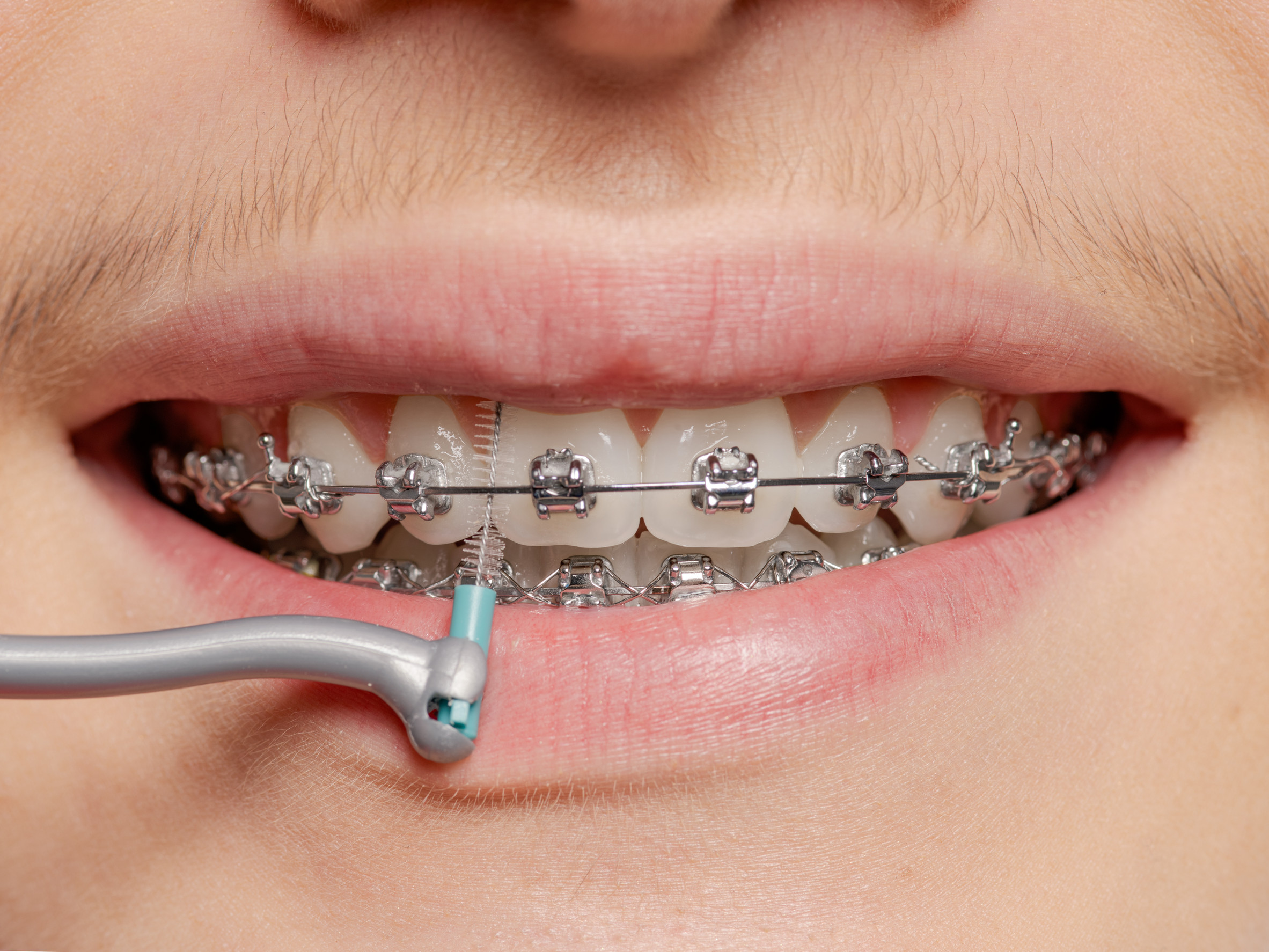
Modern braces use high performance wires and brackets that reduce friction and deliver consistent force. These systems allow teeth to move more smoothly and efficiently than older designs.
When combined with precise treatment planning, these braces can shorten treatment time without increasing discomfort. Patients considering braces can explore options under Orthodontic Services.
Clear Aligners With Optimized Movement Planning
Clear aligner systems have evolved significantly. Advanced digital planning allows orthodontists to sequence tooth movements more efficiently and avoid unnecessary steps. This can reduce refinements and delays.
Aligners also allow for precise control when patients wear them consistently. Compliance plays a major role in how quickly aligners work. Learn more about aligner based treatment at Invisalign Clear Aligners.
High Frequency Microstimulation Devices
Some accelerated orthodontic plans include the use of vibration or microstimulation devices. These devices are used for a few minutes per day and are designed to stimulate bone activity.
When used as directed, they may help teeth respond faster to orthodontic forces. These devices are always optional and must be paired with proper orthodontic supervision.
Optimized Appointment Scheduling
Treatment speed is influenced by how often progress is evaluated and adjusted. Regular, well timed appointments help orthodontists maintain efficient force levels and avoid plateaus.
Patients who miss visits or delay adjustments often extend their treatment time. This is why appointment frequency and compliance matter as much as technology.
The Role of Patient Compliance in Faster Treatment
No acceleration method works without patient participation. Compliance is one of the strongest predictors of treatment length.
Key compliance factors include:
- Wearing aligners the recommended number of hours per day
- Using elastics exactly as prescribed
- Attending scheduled appointments consistently
- Maintaining excellent oral hygiene to avoid inflammation or delays
- Following dietary recommendations with braces
Many delays in orthodontic treatment are not due to biology or technology but due to inconsistent wear or missed instructions. Resources like Life With Braces explain how daily habits directly affect progress.
Accelerated Orthodontics for Adults vs Teens
Age does influence treatment speed, but it does not prevent acceleration.
Teens
Teen patients often experience faster bone remodeling due to growth and metabolism. Accelerated techniques can further optimize this natural advantage when compliance is strong.
Adults
Adult bone remodels more slowly, but modern orthodontics compensates with refined force systems and technology. Adults who follow instructions closely often see excellent results with efficient timelines. Adults exploring options can learn more under Adult Orthodontics.
Safety Considerations in Accelerated Treatment
One of the biggest misconceptions is that faster treatment increases risk. In reality, accelerated orthodontics prioritizes controlled force, not excessive force.
Unsafe acceleration would involve pushing teeth faster than bone can adapt, which can cause root resorption or instability. Proper acceleration respects biological limits and relies on monitoring, adjustments, and patient feedback.
Orthodontists who use accelerated methods are trained to:
- Monitor root health with imaging when appropriate
- Adjust force levels carefully
- Slow down movement if tissues show signs of stress
- Maintain retention protocols after treatment
Retention Matters Even More After Faster Treatment
Faster treatment does not eliminate the need for retention. In fact, retainers are especially important after accelerated movement because bone needs time to stabilize around newly positioned teeth.
Patients must wear retainers as instructed to maintain results. Long term success depends on retention compliance just as much as treatment compliance. Retention is always part of comprehensive care under Orthodontic Services.
Who Is a Good Candidate for Accelerated Orthodontics
Accelerated orthodontics is not one size fits all. Ideal candidates often include:
- Patients with mild to moderate alignment issues
- Patients who are highly compliant with instructions
- Adults with professional or personal time constraints
- Teens with strong parental support and routine compliance
- Patients with healthy gums and good oral hygiene
A consultation is necessary to determine whether acceleration is appropriate for your specific case.
Common Myths About Accelerated Orthodontics
“Faster always means less effective”
Not true. When done correctly, accelerated orthodontics produces the same quality results as traditional timelines.
“Acceleration causes more pain”
Most patients report similar or even less discomfort due to smoother, more consistent force delivery.
“Only expensive treatments are faster”
While some technologies involve additional cost, many acceleration strategies involve planning, compliance, and scheduling rather than expensive devices.
How Orthodontists Plan Efficient Treatment
Accelerated orthodontics begins with precise planning. Digital scans, bite analysis, and simulation software allow orthodontists to design movement sequences that avoid wasted steps.
This planning helps:
- Reduce unnecessary tooth movements
- Minimize refinements
- Coordinate bite correction earlier
- Maintain steady progress throughout treatment
Understanding how a practice approaches planning can be helpful. Learn more at What Sets Us Apart.
When Faster Is Not Better
There are cases where slower movement is safer or more predictable. Severe bite discrepancies, complex jaw relationships, or compromised periodontal health may require conservative pacing.
Orthodontic success depends on individualized planning, not rushing. Acceleration is a tool, not a requirement.
The Psychological Benefit of Shorter Treatment
Shorter treatment time can improve motivation and consistency. Patients who see progress quickly are often more engaged and compliant. This creates a positive feedback loop that supports overall success.
For adults balancing work, family, and travel, efficient treatment can feel more manageable and rewarding.
Combining Acceleration With Modern Appliances
Accelerated orthodontics works best when paired with modern appliances such as:
- Advanced braces with low friction systems
- Digitally planned clear aligners
- Precision attachments and elastics
Each component contributes to efficiency when used correctly.
Questions to Ask During Your Consultation
If you are interested in accelerated orthodontics, ask:
- Is my case suitable for accelerated treatment
- What methods would you recommend and why
- How does compliance affect my timeline
- Will faster treatment change retention needs
- Are there additional costs involved
Clear communication helps set realistic expectations.
Conclusion
Accelerated orthodontics represents the intersection of biology, technology, and patient commitment. When applied thoughtfully, it allows orthodontic treatment to progress more efficiently without sacrificing safety or results.
The key to faster treatment is not forcing teeth to move but creating the right conditions for efficient, healthy movement. With modern appliances, precise planning, and consistent compliance, many patients can achieve their goals in less time than expected.
If you are curious whether accelerated orthodontics could work for you, schedule a consultation through Contact Us to explore your options and receive a personalized treatment plan.
Frequently Asked Questions (FAQ)
1. What is accelerated orthodontic treatment?
Accelerated orthodontic treatment uses modern techniques, technology, and precise planning to help teeth move more efficiently while maintaining safe and healthy tooth movement.
2. Is accelerated orthodontics safe?
Yes, when supervised by a trained orthodontist. Accelerated treatment focuses on controlled force and careful monitoring, not rushing teeth beyond healthy limits.
3. Can accelerated orthodontics shorten treatment for both braces and clear aligners?
Yes. Both braces and clear aligners can benefit from accelerated approaches when treatment is properly planned and patients follow instructions closely.
4. Does faster treatment cause more pain?
Not usually. Many patients report similar or even less discomfort because modern systems apply smoother and more consistent pressure to the teeth.
5. How much time can accelerated orthodontics save?
Time savings vary by case. Some patients finish several months sooner, while others experience more modest reductions depending on complexity and compliance.
6. Do adults respond as well as teens to accelerated orthodontics?
Adults can respond very well, especially when they follow instructions carefully. While bone remodels more slowly with age, modern orthodontic techniques help compensate effectively.
7. What role does patient compliance play in speeding up treatment?
Compliance is critical. Wearing aligners as directed, using elastics properly, and attending scheduled appointments often has the biggest impact on treatment speed.
8. Are special devices required for accelerated orthodontics?
Not always. Many acceleration strategies involve planning, appliance design, and scheduling rather than additional devices. Some patients may choose optional tools, but they are not required for everyone.
9. Will I still need to wear retainers after accelerated treatment?
Yes. Retainers are essential regardless of treatment speed. Faster movement does not remove the need for retention to keep teeth stable long term.
10. How do I know if accelerated orthodontics is right for me?
The best way to find out is through a professional consultation. Your orthodontist will evaluate your bite, oral health, goals, and lifestyle to determine whether accelerated treatment is appropriate.

-1.svg)

