
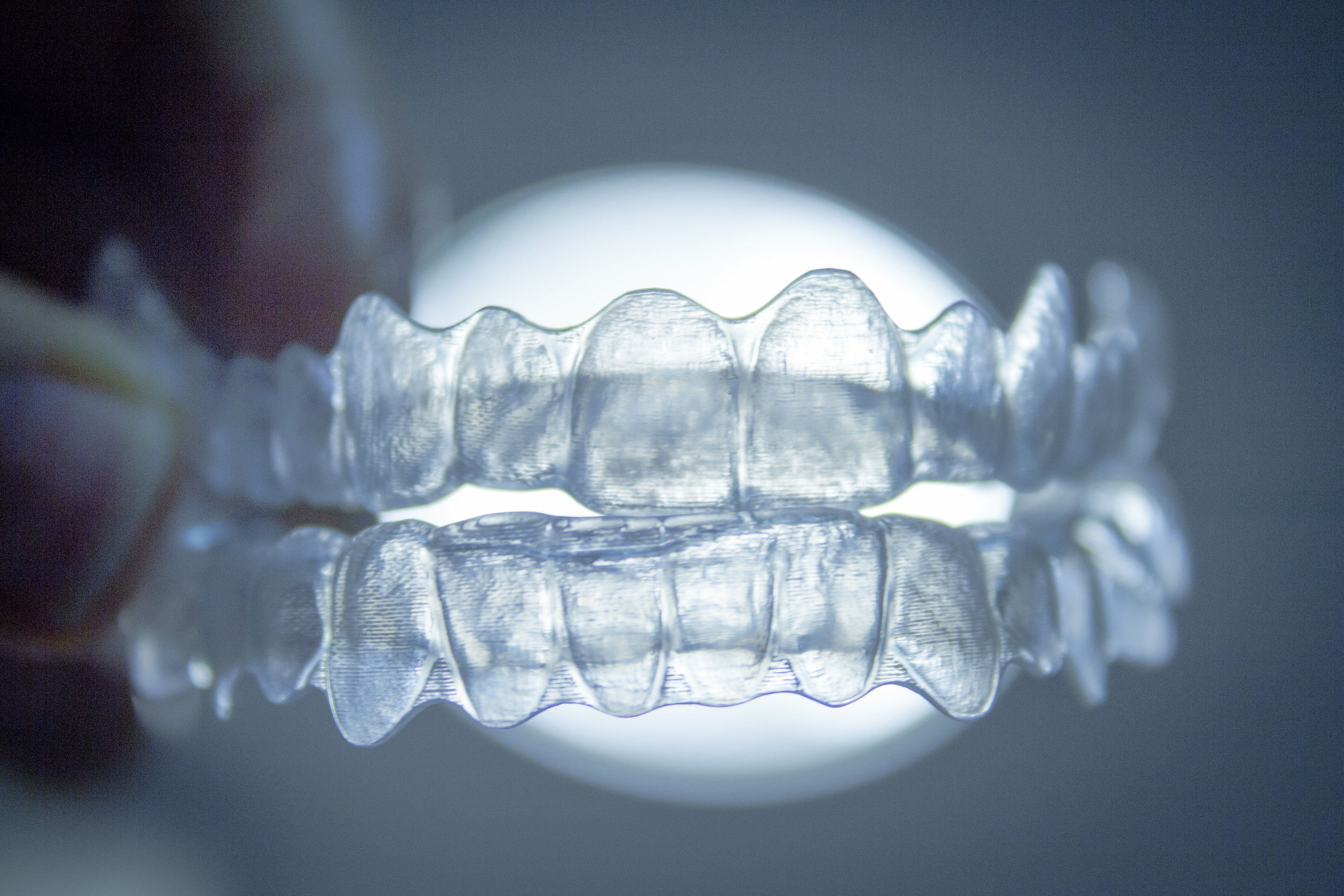
DIY aligners and direct to consumer clear aligner programs are often marketed with one core promise: a straighter smile for less money and less hassle. For busy adults and budget minded families, the appeal is obvious. You skip most in office visits, you get a box of trays shipped to your door, and you pay a price that can look dramatically lower than orthodontist supervised treatment.
But the real cost of DIY aligners is not just the sticker price. It is the total cost when you factor in clinical risk, retreatment, emergency dental care, lost time, and the potential long term damage to teeth, gums, and bite function. In many cases, the “savings” disappear fast. In the worst cases, patients end up paying more than they would have paid for professional care, and they pay with their health as well.
This article breaks down the true cost of DIY aligners through two lenses: financial risk and health risk. It explains what makes orthodontist guided treatment different, why some DIY cases go wrong, and how to evaluate your options with clarity before you commit.
If you want to compare treatment approaches first, start with an overview of orthodontic services at East Tennessee Orthodontics.
What “DIY aligners” usually mean
DIY aligners, sometimes called mail order aligners, are typically systems where:
- You complete an at home impression kit or visit a retail scanning location
- Your aligners are designed remotely based on limited records
- You receive trays by mail in a series
- Progress monitoring is minimal, remote, or inconsistent
- In person exams, X rays, and bite checks may be absent or limited
Different companies vary, and some offer limited dental supervision. The key difference is that DIY models generally reduce or remove the consistent in person evaluation that orthodontists rely on to move teeth safely and predictably.
The promise vs the reality
DIY programs often emphasize:
- Lower cost
- Convenience
- A simpler path to straighter teeth
- Quick results
The reality is that orthodontics is not just cosmetic tooth movement. It is controlled medical movement of teeth through bone, guided by bite function, gum health, and root position. That is why professional orthodontic treatment includes exams, imaging, and ongoing adjustments.
For patients considering professional clear aligners, it helps to understand how aligners work when they are supervised as part of a full orthodontic plan. The practice overview of Invisalign treatment explains what monitored aligner care typically includes.
Financial risk analysis: why the “cheap” option can cost more
DIY aligner pricing can look attractive. But what matters is total cost, not upfront cost. Here are the most common ways DIY aligners increase expenses over time.
1) Paying twice for treatment
One of the most common outcomes of unsuccessful DIY aligners is that patients later pursue orthodontist supervised treatment to correct unfinished movement or fix a worse bite.
That second round often costs similar to standard treatment, and it may take longer because the case is now more complex. The initial DIY spend becomes a sunk cost.
2) Unplanned dental procedures to repair damage
When tooth movement is not properly planned, you may end up with:
- Gum recession requiring periodontal treatment
- Loose teeth requiring stabilization
- Worn teeth requiring bonding or crowns
- New gaps or bite interference requiring restorative work
Those repairs can easily exceed the original “savings.”
3) Emergency visits and pain management
DIY aligners may cause:
- Sharp tray edges that cut gums
- Teeth that become painful to bite on
- Gum swelling or bleeding
- Jaw discomfort due to bite changes
Emergency dental visits, imaging, and medications add cost quickly. Many patients also lose time from work.
For orthodontic patients who need guidance when something feels wrong, having a team matters. Resources like orthodontic emergencies exist for supervised care because real problems happen and require real solutions.
4) Hidden costs and subscription style pricing
Some DIY plans include extra fees for:
- Refinement aligners
- Retainer replacement
- Extended treatment time
- Shipping or impression rescans
If your teeth do not track properly, the plan may require additional costs to continue, or you may be stuck in a cycle of “extra trays” without real progress.
5) The opportunity cost of time
Even if a DIY plan “sort of works,” if it takes longer or fails to address bite function, you may spend months wearing aligners with no stable result. That lost time has value, especially if you later do professional treatment anyway.
Health risk analysis: what can go wrong clinically
The biggest risk of DIY aligners is not that your teeth will not look perfect. The risk is that tooth movement occurs without the diagnostics and monitoring needed to protect your mouth.
1) No comprehensive exam means problems can be missed
Orthodontic treatment should start with a full evaluation of:
- Tooth roots and bone support
- Gum health and inflammation
- Cavities or failing restorations
- Existing bite problems
- Jaw joint function
- Tooth eruption patterns
- Signs of periodontal disease
Without proper evaluation, aligners may move teeth on top of unresolved problems, which can worsen health outcomes.
2) Roots matter, not just crowns
DIY aligners focus on moving the visible part of the tooth, but orthodontics must also control root position. Poor root positioning can lead to:
- Instability and relapse
- Gum recession
- Teeth that look aligned but function poorly
- Increased risk of root resorption
Professional orthodontics includes planning to keep roots within healthy bone and to maintain stable function.
3) Gum recession and bone loss risk
If teeth are pushed outside the bony housing, gums may recede. Gum recession is not just cosmetic. It can cause sensitivity, higher cavity risk on exposed roots, and long term periodontal problems.
If you want to see how orthodontics can support healthier gums when done correctly, read improving gum health with orthodontics.
4) Creating a worse bite is easier than most people think
A common DIY aligner complaint is: “My teeth look straighter, but my bite feels off.” This can happen when aligners move front teeth without properly coordinating the back teeth and bite relationship.
Bite problems can cause:
- Chewing discomfort
- Jaw fatigue
- Clicking or popping in the jaw
- Uneven tooth wear
- Increased clenching
If you want a deep dive on bite function, the guide on malocclusion types and bad bites explains why bite balance matters for long term health.
5) Tracking problems and stalled movement
Aligners must fit precisely to deliver the planned forces. When teeth do not track correctly, gaps appear between the tray and teeth, and movement stalls or goes off course. In supervised care, orthodontists detect tracking issues early and correct them with:
- Attachments
- Refinements
- Bite adjustments
- Elastics
- Changes in the staging plan
DIY programs often do not manage these issues effectively, which is why many patients end with unfinished alignment or bite problems.
To understand how attachments and buttons support accurate movement, read clear aligner attachments and buttons.
6) TMJ symptoms and jaw strain
If the bite changes without proper coordination, some patients develop:
- New jaw soreness
- Headaches
- Clenching
- Clicking
Bite correction needs to be planned and monitored, not guessed. The practice guide on TMJ and bite correction explains how orthodontic treatment can help jaw pain when designed correctly.
Why orthodontist supervised aligners are different
Professional aligner treatment is not just a set of trays. It is a monitored medical process.
Orthodontist guided care typically includes:
- Comprehensive exam and bite evaluation
- Diagnostic imaging and digital scans
- A treatment plan that considers roots, bone, gums, and bite function
- Attachments and elastics when needed
- Ongoing monitoring to catch problems early
- Refinements when teeth do not track perfectly
- Retention planning to keep results stable
If you want to understand how aligner treatment is structured, the overview of Invisalign clear aligners provides a practical baseline for what patients can expect.
The “hidden” health costs: problems that show up years later
Some DIY aligner issues do not show up immediately. They appear years later, when:
- Gums recede gradually
- Teeth start wearing unevenly due to an unstable bite
- Teeth relapse because roots were never positioned correctly
- Jaw discomfort becomes chronic
- Small cracks become fractures
The retainer trap: post DIY relapse can be fast
Many DIY programs emphasize retainers at the end, which is good. But if the bite and roots were not properly finished, retainers may not protect the result well.
Common issues include:
- Retainers that feel tight very quickly
- Teeth shifting even with retainer wear
- Bite feeling unstable after trays stop
- Needing frequent retainer replacements
Retainers are essential for everyone, but they work best when the final tooth positions are biologically stable. If you want a practical explanation of long term retention, read Retainers After Braces: The Forever Rule for East Tennessee Smiles.
Who is most at risk with DIY aligners
DIY aligners are especially risky for patients with:
- Bite problems such as overbite, underbite, crossbite, or open bite
- Crowding that involves root positioning challenges
- Gum recession or periodontal disease
- History of dental trauma or short roots
- TMJ symptoms or jaw clicking
- Missing teeth or significant dental restorations
- Need for extractions or complex space management
These situations require in person assessment and ongoing monitoring. Even patients with mild crowding can have hidden issues that only imaging and clinical evaluation reveal.
A practical cost comparison framework
Instead of comparing sticker prices, compare total value. Here is a simple framework.
DIY aligners often include:
- A limited diagnostic process
- A remote plan that may not address bite function
- Limited in person troubleshooting
- Higher risk of retreatment
Orthodontist supervised treatment often includes:
- Diagnosis that protects health
- Bite focused planning
- Monitoring and refinements
- A stable result supported by retention
If you want a clear next step, start with the full overview of orthodontic services and then schedule a consult so you can compare your specific case rather than relying on generic marketing claims.
If you already did DIY aligners and something feels wrong
If you already started DIY aligners and you notice:
- Your bite feels off
- Teeth do not touch evenly
- New jaw soreness or headaches
- Gum recession or bleeding
- A tooth feels loose or painful to bite
- Visible tracking gaps where aligners do not seat
Stop trying to push through it. Get evaluated. Early correction is often simpler than waiting until problems worsen.
If you need help fast, use the practice’s guidance on orthodontic emergencies to decide what requires urgent care.
What to ask before you choose any aligner path
Whether you are choosing Invisalign, another supervised aligner system, or considering DIY, ask these questions:
- Will my treatment include a full exam and diagnostic imaging?
- Who is responsible for monitoring tracking and bite changes?
- How will refinements be handled if teeth do not track?
- Will root position and bite function be part of the plan?
- What happens if I develop gum recession or jaw symptoms?
- What is included in the retainer plan, and what costs extra?
A quality provider will welcome these questions because they reflect informed decision making.
Conclusion: the cheapest aligners can become the most expensive
DIY aligners can appear affordable on the surface, but the true cost includes both financial and health risk. Without comprehensive diagnostics and consistent monitoring, tooth movement can lead to bite problems, gum recession, uneven wear, stalled progress, and costly retreatment. In many cases, patients end up paying more than they would have for supervised care, and the health consequences can last far longer than the treatment timeline.
A straighter smile should improve function, protect gums, and last for decades with proper retention. That outcome depends on planning, monitoring, and expertise, not just plastic trays.
If you want a safer, more predictable path, start with orthodontic services and schedule an evaluation through Contact Us. The right plan protects not only your smile, but your long term oral health and your wallet too.

-1.svg)

