
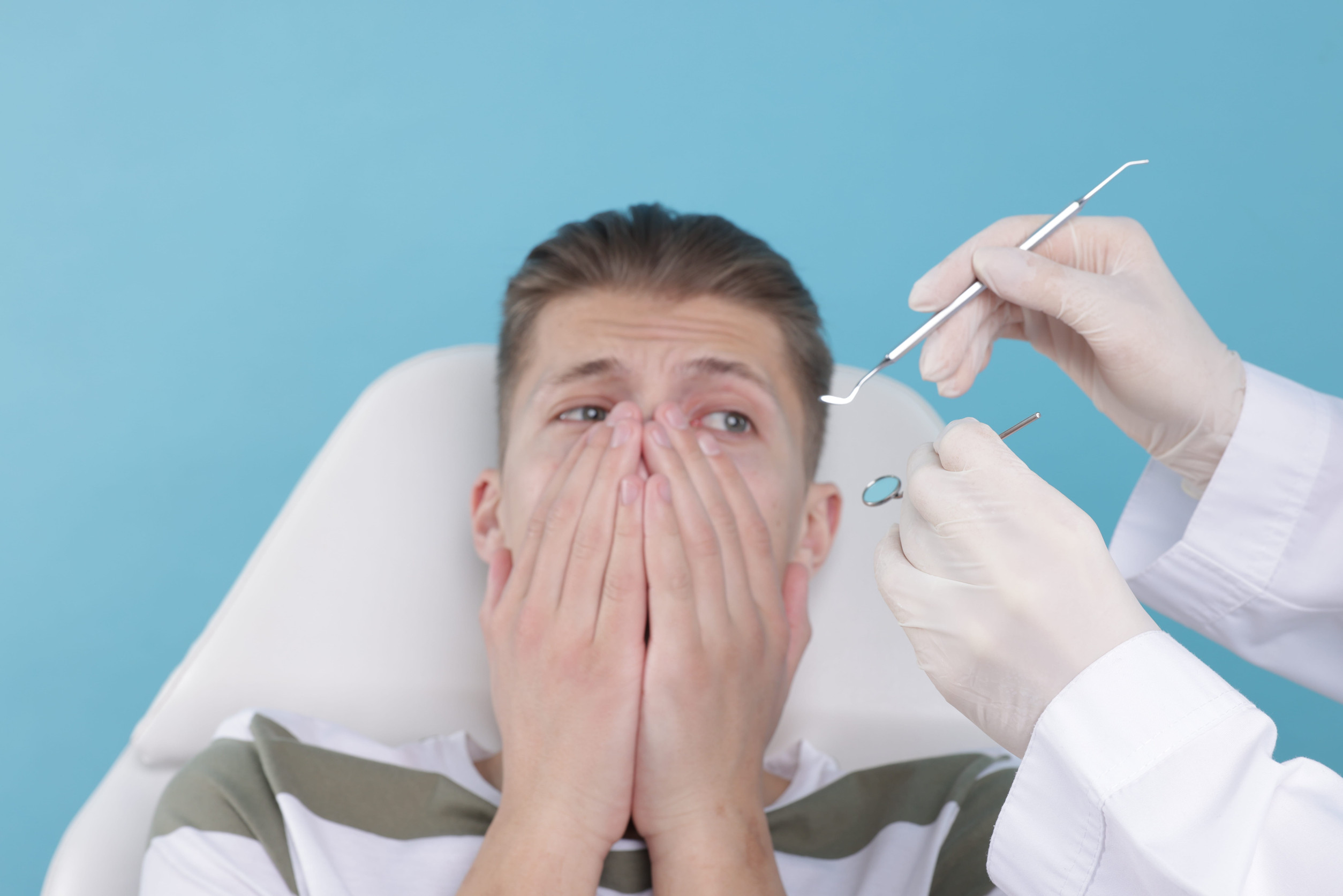
Dental anxiety is more common than most people admit. Some patients feel mildly uneasy before a cleaning. Others avoid appointments for years because just walking into a dental office triggers stress. If you feel anxious about orthodontic visits, braces adjustments, impressions, X-rays, or even the idea of someone working in your mouth, you are not alone and you are not “being dramatic.” Dental anxiety is real, and it is manageable.
The good news is that orthodontic care can be very anxiety-friendly when you have a plan. Many of the things that trigger fear are predictable: not knowing what will happen, feeling out of control, worrying about pain, and fearing embarrassment. When you address those concerns directly with comfort options and simple appointment strategies, most patients find that anxiety decreases quickly. Many even reach a point where orthodontic visits feel routine.
This guide explains practical comfort options, appointment tips you can use immediately, and the strategies that help most people feel calmer before and during orthodontic care. If you want to see the range of services available, start with orthodontic services.
What dental anxiety looks like and why it happens
Dental anxiety can show up in many forms. Some people experience a mild nervous feeling. Others have physical symptoms.
Common signs include:
- Racing thoughts the day before an appointment
- Trouble sleeping the night before
- Sweaty palms or fast heartbeat in the waiting room
- Feeling tense and unable to relax your jaw
- Nausea, lightheadedness, or shortness of breath
- Panic when reclining in the chair
- Fear of needles, tools, or gagging
- Avoiding appointments even when you know you need care
Dental anxiety often comes from one or more of these root causes:
- A past painful or rushed dental experience
- Fear of discomfort or “not being numbed enough”
- Fear of choking or gagging
- Fear of judgment about teeth or hygiene
- Sensory sensitivity to sounds, smells, or touch
- Feeling trapped or out of control
- General anxiety that becomes amplified in medical settings
Orthodontic appointments usually involve less invasive work than many dental procedures, but anxiety can still show up because the environment and sensation can feel similar.
A quick reality check: orthodontic visits are usually predictable
One reason orthodontic care can become easier over time is that it often follows a clear pattern:
- Check-in
- Quick exam of teeth and bite
- Small adjustments or aligner check
- Home-care instructions
- Next appointment scheduled
That predictability is helpful for anxious patients. If you know what will happen before you walk in, your nervous system is less likely to spiral.
If your anxiety is tied to unexpected problems like poking wires or broken brackets, having a clear reference helps. Keep this page saved for calm troubleshooting: orthodontic emergencies.
Comfort options that can reduce anxiety significantly
Dental anxiety is not solved by willpower alone. Comfort options exist for a reason. Some are practical, some are sensory, and some are medication-based depending on your needs and provider protocols.
Tell the team what you need
This sounds obvious, but it is the most important comfort strategy. Many anxious patients try to “act normal” and then white-knuckle the appointment. When you communicate anxiety upfront, the team can slow down, narrate what they are doing, and give you more control.
Helpful phrases:
- “I get anxious in dental settings. Can we go slowly today?”
- “I need you to tell me what you are doing before you do it.”
- “I might need breaks. Is it okay to pause if I raise my hand?”
The hand signal method
Agree on a simple signal before you start, usually raising your hand, that means “pause.” Knowing you can stop at any time reduces fear of being trapped.
Shorter appointments when possible
For some patients, shorter visits feel safer. Orthodontic treatment often includes quick visits already, but you can ask whether longer procedures can be split if that helps you.
Sensory comfort: headphones, music, and eye masks
Many anxious patients benefit from:
- Noise-canceling headphones
- A playlist or podcast
- A sleep mask or sunglasses to reduce visual triggers
These reduce sensory overload, which is a major driver of anxiety.
Breathing tools that work in the chair
A simple approach:
- Inhale through the nose for 4 seconds
- Hold for 2 seconds
- Exhale slowly for 6 seconds
- Repeat 4 cycles
Longer exhale signals safety to the nervous system. This is especially helpful during moments like placing cheek retractors or adjusting wires.
Numbing gels and topical comfort
Orthodontic work does not usually require injections, but it can involve pressure and occasional discomfort. If you have sensitive tissues, ask about topical gels or wax for irritation.
For soreness after adjustments, this guide can reduce fear around discomfort: orthodontic pain management.
Medication and sedation discussions
Some patients need more support, especially if panic is severe or appointments are avoided for years. Depending on the type of appointment and your medical history, you may discuss:
- Anxiety medication prescribed by your physician for appointment days
- Nitrous oxide, if offered and appropriate
- Coordinating timing with your primary care provider
This is not weakness. It is health care planning. If anxiety is preventing you from getting treatment you want, using legitimate medical supports can be life changing.
Appointment tips that help anxious patients the most
These are small changes that can dramatically improve your experience.
Schedule early in the day
Morning appointments reduce the time you spend anticipating the visit. If you are anxious, waiting all day often increases stress.
Avoid rushing
Arrive 10 to 15 minutes early. Being late triggers adrenaline and makes anxiety worse.
Eat something light
Skipping food can make you feel shaky and increases the chance of lightheadedness. A light meal helps stabilize blood sugar.
Limit caffeine beforehand
Caffeine can mimic anxiety symptoms. If you are prone to panic, consider reducing caffeine the morning of your appointment.
Bring a support person if allowed
Some people feel calmer with a friend or family member. Even if they stay in the waiting room, knowing they are nearby helps.
Use “exposure” in small doses
If your anxiety is severe, you can request a short, low-pressure visit first. For example:
- Visit the office, sit in the chair briefly, then leave
- Do a consult only without starting treatment
- Start with aligners rather than braces if that feels less intense
Small positive experiences build trust quickly.
Fear of pain: what is normal in orthodontics
Pain fear is often based on uncertainty. Orthodontic discomfort is usually predictable and temporary.
Braces adjustment soreness
Most patients feel pressure or soreness for 1 to 3 days after adjustments. It is usually:
- Achy rather than sharp
- Worse when biting into firm foods
- Improved with soft foods and basic pain relief
Aligner soreness
Aligners can feel tight for a day or two when switching to a new set. Many patients prefer switching aligners at night so the first hours happen during sleep.
If you want a full comfort plan, this guide is the best resource: orthodontic pain management.
The red flag pain
Call the office if you have:
- Sharp pain that worsens rapidly
- Swelling or signs of infection
- A wire poking that you cannot manage with wax
- A loose bracket causing significant irritation
Fear of gagging: practical strategies that help
Gagging is a common trigger for anxiety. The good news is that modern orthodontics often uses digital scans rather than traditional impressions, which reduces gag triggers for many patients.
If you are gag-prone:
- Ask whether digital scanning is available
- Breathe slowly through your nose
- Wiggle your toes or tap your foot to distract the reflex
- Ask for short breaks during scanning
- Avoid heavy meals right before the appointment
If gagging is severe, tell the team early. They can modify positioning and pacing.
Fear of judgment: the mental barrier that keeps people away
Many patients avoid care because they worry the staff will judge:
- Crowded teeth
- Stained teeth
- Past gaps in hygiene
- Missed dental care due to anxiety
A good orthodontic team is not there to shame you. They are there to help you move forward. Still, fear of judgment is real. If this is part of your anxiety, consider telling the team:
- “I have been nervous about coming in. I am trying to get back on track.”
That simple sentence often changes the emotional tone of the appointment and makes it easier to relax.
Braces or Invisalign for anxious patients
Anxiety can influence appliance choice, not because one is “better,” but because your triggers may differ.
Invisalign may feel easier if you want
- Fewer emergency-style issues like poking wires
- A removable option that feels less “stuck”
- A more discreet option that reduces self-consciousness
- Easier brushing and flossing routines
Learn more about aligners here: Invisalign clear aligners.
Braces may feel easier if you want
- A system that does not depend on daily wear compliance
- Fewer decisions each day
- Strong control for complex bite issues
- Less worry about losing aligners while traveling
If you want to review braces options, start with dental braces treatment.
The best choice is the one that fits your clinical needs and your emotional comfort.
What helps most long-term: building trust through predictability
Dental anxiety often decreases when you feel:
- Heard
- Respected
- In control
- Clear about what happens next
The best long-term anxiety plan usually includes:
- Seeing the same office and team consistently
- Scheduling visits at the same time of day
- Using the same calming routine each visit
- Celebrating progress instead of focusing on fear
Many patients reach a point where they realize: “This is not scary anymore, it is just a part of my routine.”
A simple pre-appointment routine for anxious patients
Use this routine the day before and the day of your appointment.
The day before
- Confirm your appointment time
- Pack your headphones and wax
- Choose a calming playlist
- Set a realistic plan for work and travel so you are not rushed
The day of
- Eat a light meal
- Limit caffeine
- Arrive early
- Tell the front desk you are anxious so the team can pace the visit
- Use your hand signal if you need breaks
After the appointment:
- Reward yourself with something small
- Note what went well
- Write down one thing that helped, so you can repeat it next time
This builds a positive feedback loop.
If anxiety has kept you from treatment, start with a consultation
You do not have to start braces today. You can start with information and a calm plan.
A consultation can include:
- Reviewing your goals
- Examining your bite and alignment
- Discussing treatment options
- Explaining what an appointment feels like
- Building a step-by-step timeline that respects your comfort level
If you are ready to take that first step, schedule through Contact Us.
Frequently asked questions
Is it normal to be anxious even if I want braces or Invisalign
Yes. Wanting the outcome and fearing the process can exist at the same time. Anxiety is about your nervous system, not your motivation.
Can I ask for breaks during orthodontic visits
Yes. Agree on a pause signal and use it when needed. Short breaks are common and do not inconvenience the team.
Will orthodontic treatment hurt
Most discomfort is mild to moderate pressure for a few days after changes. Sharp pain is not normal and should be addressed.
What if I panic in the chair
Tell the team immediately. They can pause, sit you up, guide breathing, and adjust pacing. You are not the first patient to feel this way.
Can Invisalign be better for anxiety
For some patients, yes, because it reduces poking wire issues and can feel less intrusive. For others, braces are easier because there is less daily decision-making. A consult helps determine which fits you best.
Conclusion
Dental anxiety is common, valid, and treatable. The best approach is not to force yourself to “just get through it,” but to use comfort tools that reduce triggers and give you control. With clear communication, a predictable appointment routine, and the right treatment plan, many patients find that anxiety decreases dramatically after the first few visits.

-1.svg)

