
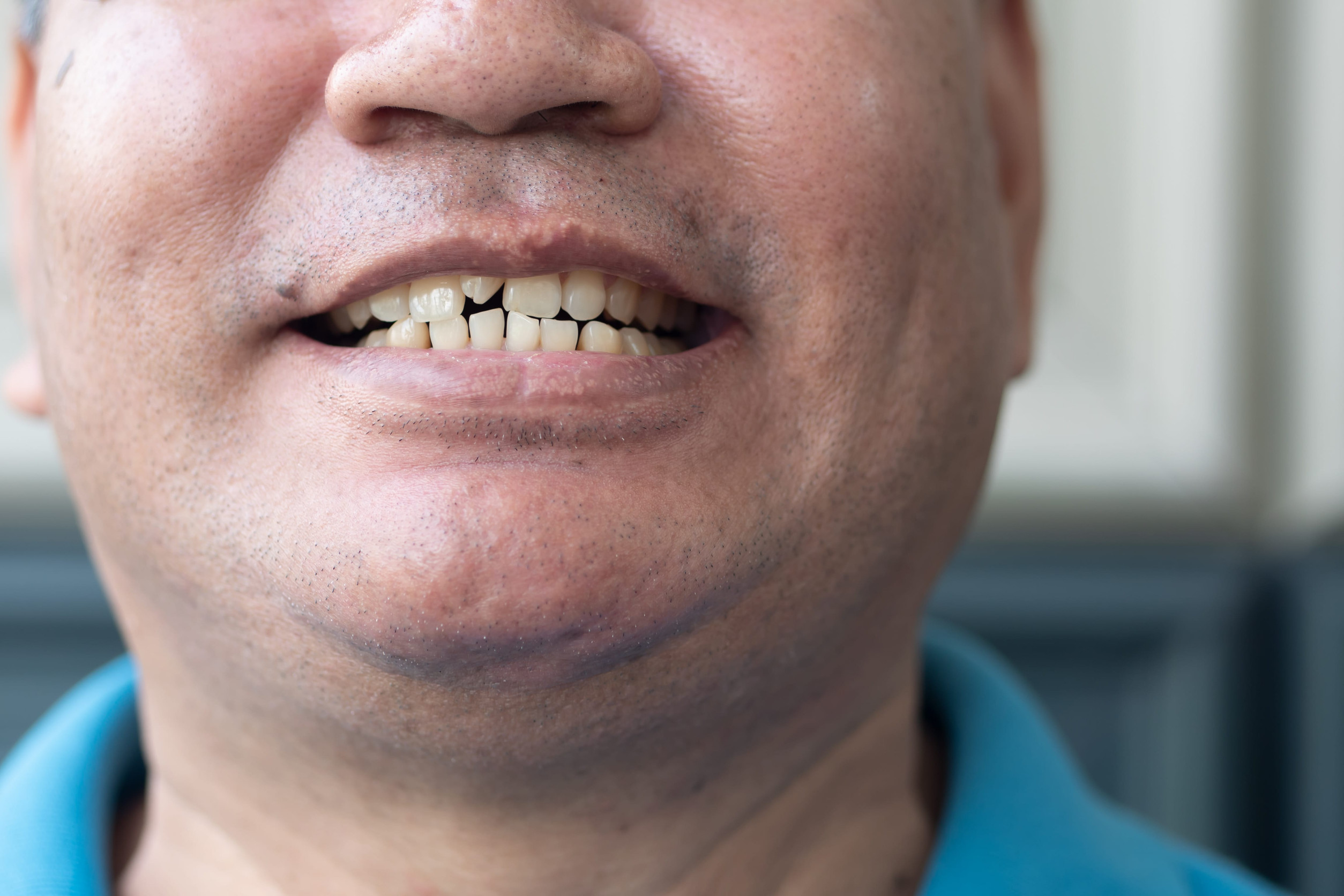
Crowded bottom teeth are one of the most common orthodontic concerns for teens and adults. You might notice it as one tooth that suddenly looks twisted, two teeth overlapping in the lower front, or a “stacking” effect where the bottom incisors no longer form a smooth line. Many people are surprised by how quickly this can appear, especially if they had braces as a teen or if their smile looked straight just a few years ago.
Bottom teeth crowding is not just cosmetic. It can make flossing harder, increase plaque trapping, contribute to gum inflammation, and in some cases create bite interference that affects long term tooth wear. The good news is that modern orthodontics offers multiple ways to correct crowded bottom teeth, and many cases can be treated efficiently when the plan is well matched to the cause.
This guide explains why bottom teeth crowd, what options are available, what results you can realistically expect, and how to prevent crowding from coming back. If you want to explore treatment options at a high level first, start with orthodontic services.
What does “crowded bottom teeth” actually mean
Crowded bottom teeth usually refers to lower incisor crowding, the front four or six teeth on the lower arch. Crowding can range from mild to severe:
- Mild crowding: slight overlap or rotation, flossing becomes tighter
- Moderate crowding: teeth overlap clearly, one tooth may sit behind another
- Severe crowding: multiple teeth are twisted or displaced, bite may feel off
Crowding may show up as:
- A tooth that rotates and “turns sideways”
- A tooth that moves behind neighboring teeth
- A tooth that looks pushed forward compared to the others
- A lower dental arch that looks narrower over time
Even mild crowding matters because lower incisors are small and close together. A tiny shift can create noticeable overlap and make cleaning significantly harder.
Why crowded bottom teeth are so common
Lower incisor crowding is one of the most common patterns orthodontists see. That is true even for people who never needed braces. It happens because the lower arch is highly sensitive to long term forces from lips, cheeks, tongue, chewing, and aging.
Here are the biggest reasons it develops.
Causes of crowded bottom teeth
Normal aging and late incisor crowding
This is the most common cause, and it surprises people. Teeth can shift forward slowly throughout adulthood. Even if your bite is stable and you wear your teeth evenly, the lower front teeth can gradually crowd because:
- The jaw and dental arch change subtly over time
- Chewing forces and muscle pressures remain constant
- The natural tendency of teeth is to drift toward the center
This is why orthodontists often say retention is for life. Crowding is not always “new damage.” It can be a predictable biological pattern.
If you previously had braces and now your bottom teeth are crowding again, you may find this helpful: retainers after braces.
Retainer lapses after braces or aligners
If you had orthodontic treatment before, crowded bottom teeth are often the first place relapse shows up. That happens because:
- The lower front teeth are under constant soft tissue pressure
- Minor shifts show up quickly in that small, tight space
- Retainers are often worn less consistently over time
A retainer that feels tight is usually an early warning sign. The earlier you act, the simpler correction tends to be.
Jaw growth patterns in teens
For teens and young adults, growth changes can trigger or worsen bottom crowding. Many people see bottom incisor crowding increase during late teens and early 20s, even if the teeth were fairly straight during middle school.
Narrow arch form
Some people naturally have a narrower lower arch. When the arch is narrow relative to tooth size, there is simply less room for the teeth to line up. This can be inherited. If crowding runs in your family, there is often a jaw size and tooth size mismatch.
Tooth size and shape
Teeth vary in size. Larger lower incisors can crowd more easily, especially if the jaw is smaller. Tooth shape matters too. Some teeth have shapes that rotate more readily under pressure.
Missing teeth or dental work changing the bite
If you are missing a tooth or have had dental work that changed the way your bite contacts, teeth may drift to find a new “stable” position. This can contribute to crowding, especially if you are missing molars or premolars.
Gum disease and bone loss
Crowding does not always mean the teeth are “tight.” In some adults, crowding develops because bone support has changed. Periodontal disease can allow teeth to shift or flare. If your gums bleed easily or you have recession, a gum evaluation should be part of your orthodontic planning.
For context on gum health and orthodontics, see improving gum health with orthodontics.
Grinding and clenching
Clenching and grinding do not directly “push” teeth into crowding by themselves, but they can:
- Increase force on certain teeth
- Create wear and bite changes
- Contribute to shifting if the bite is unstable
If you wake with jaw tightness or notice worn edges, mention it during your consultation.
Do crowded bottom teeth cause health problems
They can. The impact depends on severity and how well you can keep the area clean.
Common health and function concerns include:
- Harder brushing and flossing: overlap creates plaque traps
- Gum inflammation: crowding can lead to bleeding gums and puffiness
- Higher cavity risk: tight overlaps can hide plaque and food
- Bad breath: bacterial buildup increases when cleaning is difficult
- Uneven tooth wear: crowded teeth can contact oddly and chip
- Bite interference: severe crowding can affect how the teeth fit
Crowding is also linked to overall bite health. If you want the bigger picture, this guide helps explain why bite matters: malocclusion types and their impact on health.
Options to fix crowded bottom teeth
There is no single best method for everyone. Orthodontists choose the best approach based on:
- The amount of crowding
- Your bite relationship
- Root positions and gum support
- Whether you have previous orthodontic history
- Your lifestyle and compliance preferences
Here are the most common options.
Option 1: Clear aligners for crowded bottom teeth
Clear aligners, including Invisalign, are a popular choice for adult lower incisor crowding, especially when the crowding is mild to moderate.
Why aligners work well for many lower crowding cases
- Discreet and professional friendly
- Removable for eating and brushing
- Effective for controlled alignment when worn consistently
- Can include bite correction if needed
However, aligners are not magic. They require:
- Consistent wear, usually 20 to 22 hours per day
- Attachments in many cases to control rotations
- Refinements if teeth do not track perfectly
If you want a clearer overview of supervised aligner treatment, see Invisalign clear aligners.
When aligners might not be ideal
- Severe crowding that requires major tooth movement
- Complex rotations that are stubborn
- Cases where the bite needs heavy correction
- Patients who cannot wear aligners consistently
In those cases, braces may be more predictable.
Option 2: Braces for crowded bottom teeth
Braces remain a highly effective solution for lower incisor crowding. Many orthodontists prefer braces when:
- Rotations are severe
- Teeth need precise root control
- Bite corrections are involved
- Patient compliance with aligners is uncertain
Braces give the orthodontist direct control and do not rely on daily wear discipline.
If you want to compare braces options, see dental braces treatment.
Option 3: Interproximal reduction to create small amounts of space
Interproximal reduction, often called IPR or enamel reshaping, is a common technique used to create space without removing teeth. It involves removing a very small amount of enamel between certain teeth.
Why IPR is used for bottom crowding
- It creates space to untwist and align lower incisors
- It can improve tooth shape and contact points
- It can reduce the need to flare teeth outward
- It can support long term stability in some cases
IPR is not the same as drilling a cavity. The amount removed is small, and it is planned carefully. Many patients feel pressure but not pain.
Option 4: Arch expansion and development
In some cases, orthodontists can broaden the arch slightly, especially in growing patients. In adults, lower arch expansion is more limited because the bone is less adaptable than in children, but small changes are possible.
Expansion must be planned carefully. Pushing teeth too far outside the bone can increase gum recession risk. That is why gum health and bone support matter in adult crowding cases.
Option 5: Extractions for severe crowding
Extractions are not common for isolated mild bottom crowding, but they may be recommended in severe cases or when crowding is part of a larger bite issue.
Extractions may be considered when:
- Crowding is severe and cannot be resolved safely with IPR or expansion
- Teeth are already flared outward and pushing them further would risk gum recession
- The bite requires space to correct properly
- Long term stability is unlikely without creating room
A good orthodontist will explain the reasoning and alternatives. Extractions are a medical decision based on health and stability, not a shortcut.
Option 6: Limited retreatment and retention reset
If you had braces before and the crowding is mild, you may be a candidate for limited retreatment. This might involve:
- Short aligner therapy focused on lower incisors
- Limited braces on the front teeth
- A new retainer plan to prevent recurrence
Limited retreatment is often efficient if shifting is caught early.
What results to expect from treatment
Most patients want two outcomes:
- teeth that look straight again
- results that last
What you can realistically expect
- A more even lower front tooth line
- Easier brushing and flossing
- Reduced plaque traps and gum irritation
- Better bite contacts in many cases
- A retainer plan designed to hold results
What you should not expect
- Permanent stability without retention
- Instant results in a few weeks for meaningful crowding
- Perfect long term alignment if you do not wear retainers
The most honest truth is this: lower incisors are prone to relapse. That is why retainers are part of the plan, not an optional accessory.
How long does it take to fix crowded bottom teeth
Timeline depends on severity and method.
- Mild crowding with aligners: often a few months
- Moderate crowding: commonly 6 to 12 months
- Severe crowding with bite correction: may be 12 months or more
Braces and aligners can both be efficient. Compliance is a major factor for aligners. Missed wear time can lengthen the plan.
If you want to understand how scheduling and visit cadence affects timelines, see appointment frequency and treatment time.
Does correcting bottom crowding change facial appearance
Mild to moderate lower incisor alignment typically does not change facial appearance dramatically. It improves:
- Smile line aesthetics
- Tooth display when speaking
- Symmetry in the lower front area
If you have severe crowding with significant protrusion or bite imbalance, alignment can change lip support slightly, but the goal is always a natural, healthy result.
How to keep bottom teeth from crowding again
This is the most important section because treatment success is not only about getting straight teeth. It is about keeping them.
Retainers are the key
If you fix lower crowding and do not wear retainers, relapse is likely. Many orthodontists recommend long term nighttime wear indefinitely.
If you want the clearest explanation, read retainers after braces.
Consider a fixed retainer in certain cases
Some patients benefit from a bonded retainer behind the lower front teeth. This can be helpful when:
- You have a history of relapse
- Your crowding was severe
- You want added stability
Fixed retainers still require excellent flossing and cleaning. They do not replace hygiene.
Maintain gum health
Inflamed gums and periodontal disease can increase shifting risk. Brush, floss, and get regular cleanings. If you have gum recession or bone loss, coordinate care with your dentist.
Address grinding if present
If you clench or grind, ask about protection strategies that work with retainers. Grinding can damage teeth and appliances and can increase bite stress.
What to do right now if you notice crowding starting
If you notice early crowding:
- Try your retainer. If it is tight, wear it and contact your orthodontist.
- Do not force a retainer that does not fit.
- Do not wait a year hoping it will resolve. It usually does not.
- Schedule an evaluation sooner rather than later. Early correction is often shorter.
You can schedule a consultation through Contact Us.
Frequently asked questions about crowded bottom teeth
Can Invisalign fix crowded bottom teeth
Yes, Invisalign can often fix mild to moderate lower crowding, especially when combined with attachments and IPR if needed. Severe crowding may require braces or a comprehensive plan.
Is bottom teeth crowding a sign something is wrong
Not always. It is often a normal aging pattern, but it can also be related to retainer lapses, gum issues, or bite changes. A consultation clarifies the cause.
Why do my bottom teeth crowd even though I had braces
This is common. Without consistent long term retention, lower incisors often relapse. Even with retention, teeth can drift over decades, which is why retainers remain important.
Do I need teeth removed to fix crowded bottom teeth
Most mild to moderate cases do not require extractions. Space can often be created with IPR or careful planning. Extractions are reserved for more severe situations or when bite correction requires it.
Will treatment hurt
Most patients feel pressure or mild soreness during active movement, especially at the start. Discomfort is usually manageable and temporary.
Conclusion
Crowded bottom teeth are common, especially as people age or after retainer wear becomes inconsistent. While it may feel frustrating, it is also very treatable. The right plan depends on the cause, the amount of crowding, and your bite. Options include clear aligners, braces, IPR, limited retreatment, and in more complex cases, comprehensive treatment planning.
The best results are not only straight teeth but stable teeth. That stability comes from a strong retainer plan, consistent hygiene, and follow up care.
If you are ready to get clarity on your specific case, start with adult orthodontic options or schedule directly through Contact Us.

-1.svg)

