
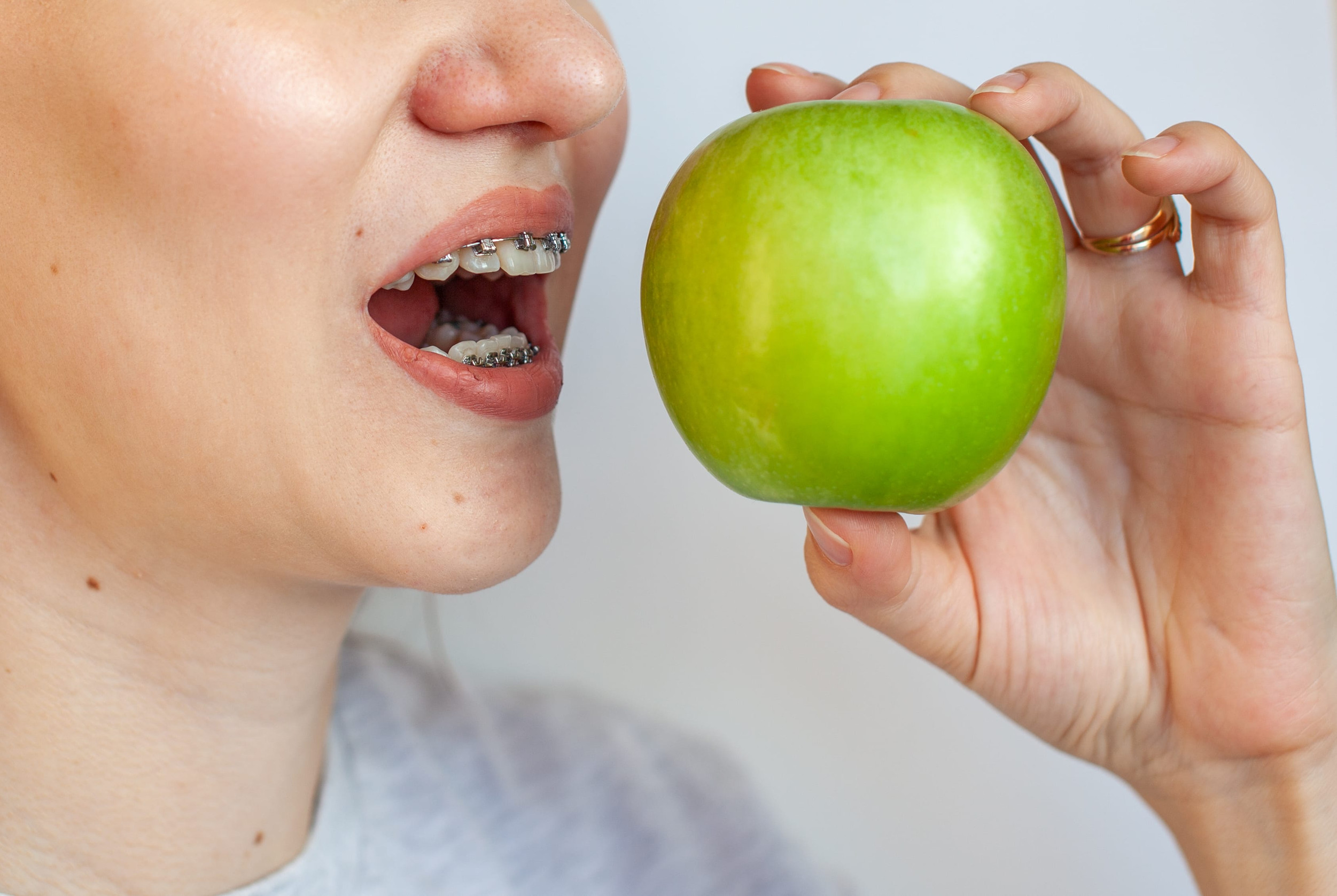
Starting braces or clear aligners can be exciting because you know your smile is finally moving in the right direction. But a few weeks or months into treatment, many patients notice something confusing: their bite feels strange. Teeth that used to touch no longer meet the same way. Chewing may feel uneven. One side may hit before the other. You might even wonder if treatment is making things worse.
In most cases, this temporary “worse before better” feeling is a normal part of orthodontic treatment. Teeth move in stages, and your bite has to pass through transitional positions before it reaches the final planned result. Your orthodontist is not only straightening individual teeth. They are guiding your whole bite into a healthier relationship, and that process takes time.
This guide explains why your bite can feel off during treatment, what is normal, what is not, and how braces or aligners eventually create a more balanced, functional bite. If you want a broader overview of treatment options, start with orthodontic services.
Why Your Bite Changes During Orthodontic Treatment
Orthodontic treatment works by moving teeth through bone using gentle, controlled pressure. As teeth shift, the way they touch naturally changes. Your bite is not corrected all at once. It is built step by step.
During treatment, some teeth may move faster than others. A rotated tooth may untwist before the rest of the arch is fully aligned. A crowded tooth may be brought forward before the opposing tooth has moved into its final position. A deep bite may be opened gradually, which can make chewing feel different for a while.
This is why a bite that felt familiar before treatment may feel temporarily unstable during treatment. Familiar does not always mean healthy. Sometimes the bite you were used to was actually uneven, but your muscles had adapted to it over time. Orthodontics interrupts that old pattern so the teeth can move into a healthier position.
What “Worse Before Better” Usually Feels Like
Patients describe bite changes in different ways. Some say their teeth feel like they do not fit. Others say one tooth hits too soon or their back teeth no longer touch evenly.
Common temporary sensations include:
- One side touching before the other
- Front teeth feeling like they hit too hard
- Back teeth feeling like they do not meet fully
- Chewing feeling awkward or uneven
- Teeth feeling sore when biting down
- A sense that the jaw is searching for a comfortable position
- A new awareness of teeth that never bothered you before
These sensations are often most noticeable after an adjustment, after switching to a new aligner, or during bite correction stages involving elastics.
If discomfort is mostly soreness from movement, the guidance in orthodontic pain management for sore teeth can help you manage the first few days after changes.
Your Bite Is a System, Not a Single Tooth Problem
One reason bite changes feel strange is that every tooth affects the rest of the system. Your upper and lower teeth are designed to fit together like gears. When one tooth moves, the contact pattern changes.
Your orthodontist is considering several goals at once:
- Aligning crooked or rotated teeth
- Coordinating the upper and lower arches
- Correcting overbite, underbite, crossbite, or open bite
- Improving how back teeth fit together
- Reducing harmful wear patterns
- Creating a stable final bite that can be maintained with retainers
That means a tooth may feel “wrong” temporarily because it is moving through an intermediate position. It is not the finished bite yet.
For a deeper look at bite patterns and why they affect health, see malocclusion types and bad bites.
Why Braces Can Make Your Bite Feel Off at First
Braces use brackets and wires to move teeth in planned stages. Early treatment often focuses on leveling and aligning teeth. During this phase, the teeth are being brought into a more even arch form, but the bite may not yet be balanced.
Early Alignment Can Create Temporary Contacts
As crowded teeth untwist, they may hit the opposing teeth in new ways. A tooth that was previously hidden behind another may suddenly become part of the bite. This can feel odd, especially when chewing.
Wires Change Tooth Position Gradually
Each wire sequence has a purpose. Early wires are flexible and focus on alignment. Later wires are stronger and allow the orthodontist to refine root position, bite contacts, and final details. Your bite may feel awkward between these stages because the full correction is still in progress.
Bite Opening Can Feel Strange
If you started with a deep bite, your orthodontist may need to open the bite so the lower teeth are no longer trapped behind the upper teeth. During that process, your back teeth may feel different temporarily.
If you want to understand how braces correct bite relationships, review how braces correct bite issues and improve jaw alignment.
Why Invisalign Can Make Your Bite Feel Worse Temporarily
Clear aligners also move teeth in stages. Each aligner is designed to shift certain teeth a small amount. Because aligners cover the biting surfaces of the teeth, they can also change how your bite feels while you are wearing them.
Aligners Add a Thin Layer Between Teeth
When your aligners are in, your teeth are not touching directly. They are touching through plastic. This can make your bite feel slightly open or cushioned.
Teeth May Not Track at the Same Speed
If one tooth moves slower than planned, the aligner may not fit perfectly in that area. This can create small bite changes or uneven pressure.
Attachments and Elastics Can Change Bite Feel
Many Invisalign cases use attachments, buttons, or elastics to create better control. These tools help treatment work, but they can temporarily make the bite feel different.
If you are using aligners and have questions about attachments, see what clear aligner attachments and buttons do. For a broader Invisalign overview, visit Invisalign clear aligners.
Why Elastics Can Make Your Bite Feel Unstable
Elastics are used to correct bite relationships between the upper and lower teeth. They are powerful because they help move the jaws and teeth into a better relationship over time. But during the correction phase, your bite may feel especially strange.
Elastics can temporarily:
- Pull teeth into new contact patterns
- Make one side feel different from the other
- Create soreness in the jaw or teeth
- Make chewing feel uneven until the bite settles
The most important thing is consistency. Wearing elastics part time can make the bite feel unstable longer because the teeth are being moved inconsistently. Following instructions helps your bite move through the awkward stage more efficiently.
Bite Turbos and Build-Ups Can Make Chewing Feel Weird
Some patients receive small bite turbos or build-ups during treatment. These are small temporary pads placed on certain teeth to prevent damaging contact or to open the bite enough for teeth to move.
They can feel very strange at first because only a few teeth may touch when you bite down. This is intentional. The purpose is to protect brackets, create space for movement, or allow a deep bite to improve.
Most patients adapt within a few days to a couple of weeks. Soft foods can help during this transition.
Why Chewing Feels Different During Treatment
Chewing relies on many teeth contacting in a coordinated way. During orthodontic treatment, those contact points are changing.
You may notice:
- Chewing takes longer
- Certain foods feel harder to grind
- One side feels easier to chew on
- Biting into sandwiches or crunchy foods feels awkward
- Your jaw feels tired after meals
This does not usually mean something is wrong. It means your bite is in progress. Still, you should avoid forcing your bite into a position that feels unnatural. Let your teeth and muscles adapt gradually.
When a Bite Change Is Normal
Temporary bite changes are usually normal when they happen gradually and are connected to treatment progress.
Normal signs include:
- Mild soreness after an adjustment or new aligner
- Temporary uneven contact that improves over time
- Chewing awkwardness during active bite correction
- Slight jaw muscle fatigue as your mouth adapts
- Teeth feeling mobile during movement
Teeth may also feel slightly loose during treatment. That can be alarming, but it is often normal because the periodontal ligament is remodeling as teeth move.
When to Call Your Orthodontist
While many bite changes are normal, some should be checked. Contact your orthodontic office if you notice:
- A sudden sharp bite change after something breaks
- A bracket or attachment comes off
- A wire is poking and cannot be managed with wax
- You cannot fully seat your aligner
- Your aligner has a visible gap that does not improve with chewies
- Pain is sharp, severe, or worsening
- You cannot chew comfortably for more than a few days
- Your jaw locks, swells, or becomes severely painful
If you are unsure whether something is urgent, use orthodontic emergencies as a practical guide.
What Happens If You Ignore a Bite That Feels Off
A temporary bite issue is expected. But a persistent issue should not be ignored.
If a bracket breaks or an aligner stops tracking and you do not address it, treatment can slow down. The teeth may move less predictably, and bite correction may take longer. In some cases, untreated issues can cause unnecessary soreness, tooth wear, or delays.
The best rule is simple: if the bite feels different but manageable, mention it at your next visit. If the bite changes suddenly or causes pain, call sooner.
How Orthodontists Monitor Bite Changes
Your orthodontist is checking far more than whether the teeth look straight. At each visit, they may evaluate:
- How upper and lower teeth contact
- Whether teeth are moving as planned
- Whether the bite is opening or closing correctly
- Whether elastics are working
- Whether wires, brackets, or aligners need adjustment
- Whether bite contacts are causing wear or discomfort
This is one reason appointment consistency matters. Orthodontic treatment is not a set-it-and-forget-it process. Your bite needs monitoring as it changes.
For more on appointment timing, see how appointment frequency affects treatment time.
How Long Does the Awkward Bite Stage Last
The answer depends on your case. Some patients feel bite changes for a few days after adjustments. Others go through longer awkward phases during major bite correction.
General expectations:
- Mild soreness after changes often lasts a few days
- Chewing awkwardness may come and go through treatment
- Bite correction with elastics can take months
- Final bite settling often happens near the end of treatment
It is normal for the bite to feel different at multiple points. Your orthodontist will guide you through the stages and explain what is expected for your plan.
What You Can Do at Home to Stay Comfortable
You cannot control every bite change, but you can make the process easier.
Choose Softer Foods During Sore Days
After adjustments or new aligners, choose foods like:
- Eggs
- Soup
- Pasta
- Rice bowls
- Yogurt
- Smoothies
- Soft cooked vegetables
- Tender fish or shredded chicken
Avoid very hard or chewy foods that make soreness worse.
Use Orthodontic Wax When Needed
If a bracket or wire rubs because your bite has changed, wax can protect your cheek or lip until the area adapts or the office adjusts it.
Follow Elastic Instructions Exactly
Do not skip elastics because your bite feels weird. Skipping them usually extends the awkward stage.
Keep Aligners Fully Seated
If you wear Invisalign, use chewies as directed and wear aligners consistently. Poor tracking can make bite changes worse.
Keep Your Appointments
Even if your bite feels strange, do not skip visits. Those visits are where the orthodontist confirms that the strange feeling is part of the plan.
Why the Final Bite Is Worth the Temporary Discomfort
The purpose of orthodontics is not just to make teeth look straight. A finished bite should support:
- Better chewing
- Reduced enamel wear
- Easier cleaning
- More stable tooth positions
- Less strain on certain teeth
- Improved long term oral health
A healthy bite distributes pressure across the teeth rather than overloading a few spots. This is what helps protect teeth from chipping, grinding, and wearing down.
What Happens Near the End of Treatment
Near the end of treatment, your orthodontist focuses on finishing and settling the bite. This stage may include:
- Adjusting wire bends
- Fine-tuning aligner movements
- Using elastics in specific patterns
- Checking bite contacts carefully
- Making small refinements before retainers
This finishing stage is important. It may feel like the teeth look straight already, but the bite still needs detail work. Stopping early can leave the bite less stable.
Retainers Keep the Improved Bite Stable
After treatment, retainers hold your teeth while bone and soft tissues stabilize. Without retainers, teeth can shift and bite issues can return.
Retention is especially important if your treatment included bite correction. Once your bite feels good, you want to keep it that way.
For long term guidance, read retainers after braces and the forever rule.
Frequently Asked Questions
Is it normal for my bite to feel off during braces
Yes. It is common for the bite to feel uneven during orthodontic treatment because teeth are moving in stages. If the change is sudden, painful, or related to a broken appliance, call your orthodontist.
Why do only a few teeth touch right now
This can happen when teeth are moving through transitional positions or when bite turbos are being used. It usually improves as treatment progresses and the bite is refined.
Can Invisalign make my bite feel worse
Temporarily, yes. Aligners cover the teeth and move them in stages, so your bite may feel different during treatment. If your aligners are not seating fully or your bite feels dramatically wrong, schedule a check.
Should I stop wearing elastics if they make my bite feel strange
No. Elastics often make the bite feel different because they are actively correcting it. Wear them exactly as prescribed unless your orthodontist tells you otherwise.
When should I call about bite discomfort
Call if pain is sharp, severe, worsening, or if something breaks. Also call if your aligner does not fit, a wire is poking badly, or your bite changes suddenly.
Conclusion
Your bite may feel worse before it feels better because orthodontic treatment moves teeth in stages. As braces or aligners guide teeth into better positions, your bite passes through temporary contact patterns that can feel awkward, uneven, or unfamiliar. In most cases, this is normal and expected.
The key is knowing the difference between normal transition and a problem that needs attention. Mild soreness, temporary uneven contact, and chewing awkwardness often improve as treatment progresses. Sudden pain, broken appliances, poor aligner fit, or severe bite changes should be checked.
A balanced final bite is worth the temporary weirdness. It helps protect your teeth, improve chewing, reduce wear, and support long term oral health. If your bite feels off and you want reassurance, schedule a check-in through Contact Us and let the team know exactly what you are feeling.

-1.svg)

