
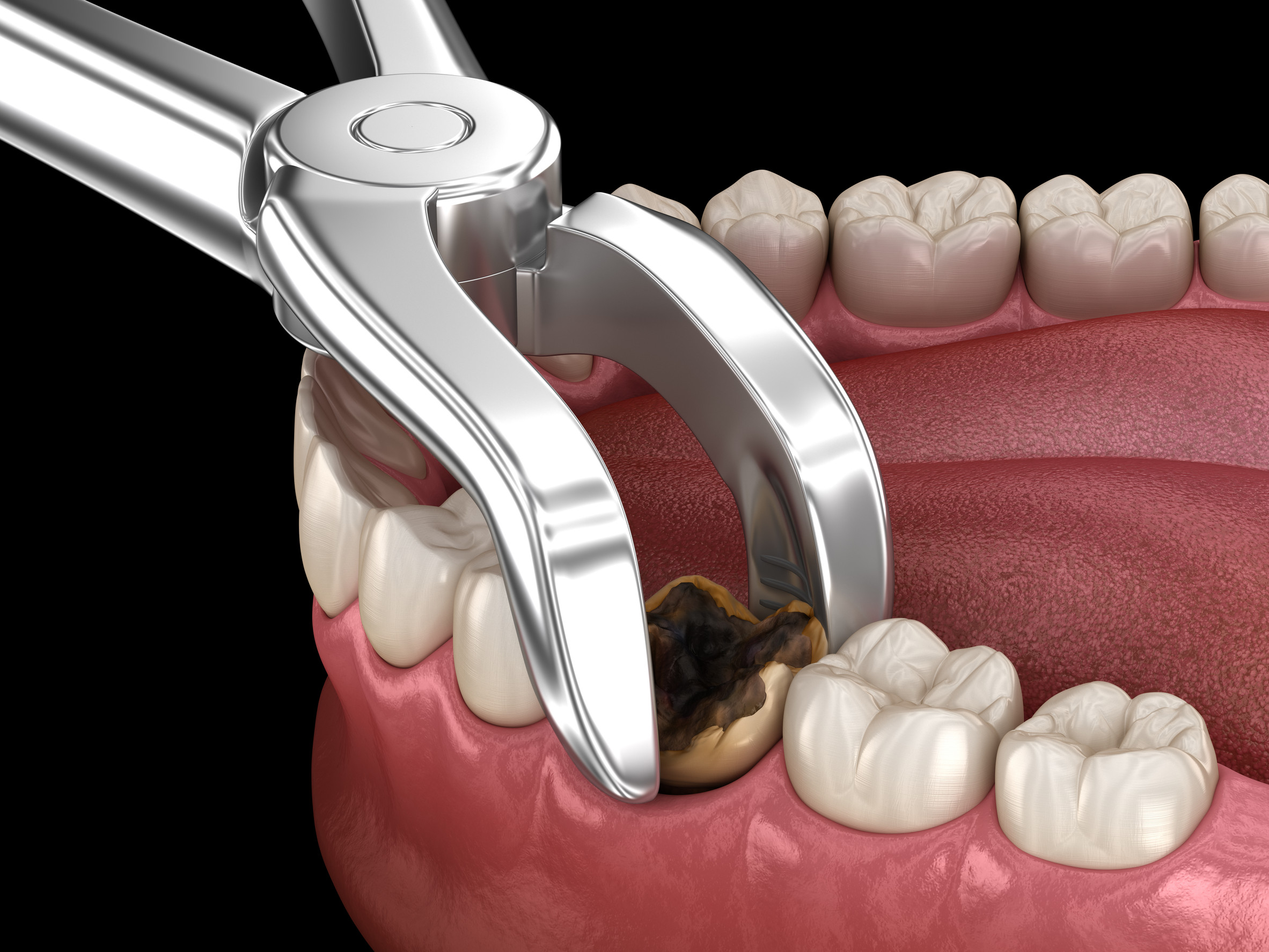
Hearing “your tooth needs to come out” can feel alarming, especially when you have been doing your best to care for your teeth or your child’s smile. Most dentists and orthodontists do not recommend extractions lightly. When a tooth removal is medically necessary, it is usually because keeping the tooth creates a higher risk of infection, pain, damage to neighboring teeth, or long term oral health complications.
This guide explains the most common medical reasons for tooth extraction, how providers decide when removal is the safest option, what alternatives may be considered first, and what to expect before and after an extraction. If you are exploring orthodontic treatment planning or have questions about how extractions sometimes fit into braces care, you can also review the full range of care through East Tennessee Orthodontics services.
What “medically necessary” means in dentistry
In dental care, “medically necessary” means the risks of keeping the tooth outweigh the risks of removing it. This can include situations where the tooth:
- Has infection that cannot be predictably controlled
- Is structurally too damaged to restore safely
- Is causing or worsening gum and bone loss
- Is blocking healthy eruption or alignment of other teeth
- Is likely to create repeat emergencies or chronic pain
- Poses a risk to overall health if infection spreads
Extraction is rarely a first choice. It becomes the right choice when other treatments cannot reliably solve the underlying problem.
The most common medical reasons teeth need to be removed
Severe tooth decay that cannot be restored
When decay extends too deep, too wide, or below the gumline, a filling or crown may not have enough healthy tooth structure to hold. In those cases, even if you attempt a restoration, it may fail quickly, crack, or allow infection to return.
Signs this may be the case:
- The tooth has broken down extensively
- Decay reaches the root or extends below the gumline
- Repeated fillings have failed and the tooth is weakening
- The tooth is painful or infected
Sometimes a root canal and crown can save a tooth, but if the tooth structure is too compromised, extraction can be the safer long term plan.
Tooth infection or abscess that cannot be controlled
Infections can occur when bacteria reach the pulp, the inner portion of the tooth. A root canal can often remove infected tissue and preserve the tooth. However, extraction may be medically necessary if:
- The infection keeps returning after treatment
- There is a crack that allows bacteria to re enter
- Bone loss around the root is severe
- The tooth cannot be sealed or restored properly
- The tooth is not savable due to structural damage
Dental infections are not something to ignore. They can cause pain, swelling, and in rare cases spread beyond the tooth. If you suspect an urgent problem, use a resource like orthodontic emergency guidance to understand when to seek prompt care, especially if braces are involved.
Advanced gum disease and tooth mobility
Periodontal disease can damage the gums and the bone that supports teeth. When support becomes too weak, teeth may loosen. In advanced cases, removing a severely mobile tooth may be necessary to:
- Eliminate chronic infection and inflammation
- Reduce pain while chewing
- Prevent worsening damage to nearby teeth and bone
- Create a healthier foundation for restorative planning
Not all loose teeth require extraction, but once bone support drops below a certain point, saving the tooth may not be predictable.
Impacted teeth that cannot erupt properly
An impacted tooth is trapped in the jaw or gums and cannot come in normally. The most common example is wisdom teeth, but other teeth can be impacted too, especially upper canines.
Extractions may be medically necessary when an impacted tooth:
- Causes recurrent infection around the gum
- Damages the roots of nearby teeth
- Creates cysts or enlarging sacs around the tooth
- Causes persistent pain, swelling, or crowding
- Cannot be guided into place safely
Orthodontists often evaluate eruption patterns as part of treatment planning. If you are planning braces, the approach and timing matter, and the bite and space strategy are part of comprehensive care like dental braces treatment planning.
Overcrowding that risks tooth health or bite function
This is one of the most debated topics, so it is important to be clear. Not every crowded smile needs extractions. Many cases can be treated with expansion, enamel shaping, or arch development, especially in growing children.
Extractions may be medically necessary or strongly recommended in orthodontics when:
- Crowding is severe and there is not enough bone support for expansion
- Teeth are pushed too far forward, risking gum recession or instability
- The bite cannot be corrected without creating harmful protrusion
- The long term stability of a non extraction plan is poor
In these cases, extractions can create space to align teeth within the bone in a healthier position. The goal is not to make the smile smaller. The goal is to make the bite stable and the teeth easier to maintain.
If you are considering braces and want a structured, patient friendly overview of how treatment decisions are made, you can explore orthodontic services in East Tennessee and then discuss your specific case in a consultation.
Teeth fractured beyond repair
A tooth can fracture from trauma, biting hard objects, or long term wear and cracks. Minor cracks can sometimes be managed with bonding or a crown. Extraction becomes necessary when:
- The fracture extends below the gumline
- The root is cracked
- The tooth splits into sections
- The tooth cannot be restored to handle normal chewing
Repeated tooth fractures can also indicate bite imbalance or clenching patterns that overload certain teeth. If bite correction is part of your long term plan, orthodontic evaluation can help reduce destructive wear patterns.
Baby teeth that do not fall out when they should
In children, retained baby teeth can block permanent teeth from erupting properly. Extraction may be recommended when a baby tooth:
- Has no permanent tooth underneath and needs a plan for space
- Is preventing the adult tooth from coming in
- Is causing the adult tooth to erupt in the wrong place
- Is damaged or infected
This is one reason early orthodontic evaluation can be helpful. It allows the provider to plan for eruption and spacing before problems become harder to correct.
Extra teeth or abnormal tooth development
Some people develop extra teeth, called supernumerary teeth. These can block eruption, create crowding, or cause shifting. Removal is often medically necessary when an extra tooth:
- Prevents permanent teeth from erupting
- Causes crowding or bite interference
- Creates cyst risk
- Cannot be monitored safely
Similarly, if a tooth develops in an abnormal position that threatens neighboring roots, removal may be considered the safest choice.
How dentists and orthodontists decide whether a tooth can be saved
A responsible extraction recommendation usually follows a careful evaluation. Your provider will typically consider:
1) The tooth’s structural integrity
Is there enough healthy tooth left to restore it predictably?
2) The health of surrounding bone and gums
Is the support strong enough to keep the tooth stable?
3) Infection risk and recurrence
If the tooth has been treated before, what is the likelihood infection returns?
4) Bite function and long term stability
Will keeping the tooth create harmful bite forces or instability?
5) Your age, growth stage, and overall treatment plan
For kids and teens, eruption timing matters. For adults, bone support and gum health matter more.
6) Alternatives and their predictability
If there is an alternative, is it truly reliable, or is it a temporary patch?
This decision is also about protecting your future dental health, not only solving today’s problem.
Alternatives to extraction that may be considered first
Before extraction, your dentist or orthodontist may explore options such as:
- Fillings or crowns
- Root canal therapy
- Gum treatment to control periodontal disease
- Space creation through orthodontic expansion or enamel reshaping
- Exposure and guided eruption for impacted teeth
- Monitoring with regular imaging in cases where the risk is low
A good question to ask is: “What happens if we try to save it?” Sometimes saving the tooth is worth it. Sometimes it leads to repeated procedures, chronic infection, or a bigger emergency later.
Orthodontic extractions: common myths and what is actually true
Myth: Extractions are always a shortcut
Not true. In many cases, a non extraction plan is faster. Extractions are recommended when they improve health, stability, or bite balance, not to speed things up.
Myth: Removing teeth always ruins facial appearance
Not true. Facial support is influenced by jaw structure, tooth position, and soft tissues. When done appropriately, extractions can help place teeth in a healthier position within the bone. Poor planning can create issues, which is why treatment planning quality matters.
If you want to understand how an orthodontic team approaches comprehensive planning, reviewing what sets East Tennessee Orthodontics apart can help you see how diagnosis and treatment philosophy support long term outcomes.
Myth: Extraction means something went wrong
Not necessarily. Sometimes the most responsible, medically sound plan includes removing a compromised tooth or creating space for a stable bite.
What to expect before, during, and after a tooth extraction
Before the procedure
You may have:
- An exam and X rays to evaluate roots and surrounding bone
- A review of medications and health history
- A plan for anesthesia options
- Instructions about eating, drinking, and transportation if sedation is involved
If you have braces, your orthodontist may coordinate timing so tooth movement stays on track.
During the procedure
Most extractions are completed with:
- Local anesthesia to numb the area
- Gentle loosening of the tooth and removal
- Stitches in some cases, especially for surgical extractions
You may feel pressure, but you should not feel sharp pain. If you do, tell the provider immediately.
After the procedure: the first 24 to 72 hours
Healing starts quickly, and your job is to protect the clot and reduce inflammation.
Best practice aftercare steps:
- Bite on gauze as directed to control bleeding
- Avoid spitting, smoking, or using straws for at least 24 hours, because suction can disrupt the clot
- Use cold packs in short intervals for swelling during the first day
- Eat soft, cool foods and stay hydrated
- Keep brushing, but avoid the extraction site at first
- Follow medication instructions exactly
If your extraction is part of orthodontic care, daily hygiene guidance remains important. A good reference for managing oral care routines with braces is life with braces tips and daily care.
Potential complications and when to call the office
Most extractions heal smoothly, but you should contact your provider if you notice:
- Bleeding that does not improve after following instructions
- Swelling that worsens after day three
- Fever or foul taste that suggests infection
- Severe pain that increases after initial improvement, which may indicate dry socket
- Numbness that persists longer than expected
If you are in orthodontic treatment and unsure whether a problem is urgent, the practical guidance in orthodontic emergencies and what to do next can help you decide whether to call right away.
Extractions and long term planning: what happens next
A medically necessary extraction is not the end of the story. It is a step in a healthier plan.
Depending on your situation, the next step may involve:
- Orthodontic space closure with braces
- Planning for an implant or bridge after healing
- Monitoring eruption and spacing in children
- Periodontal stabilization and long term maintenance
If the extraction is part of braces planning, the goal is usually to create a healthier bite, reduce crowding, and improve stability. You can learn how these pieces fit together through dental braces options and planning.
Questions to ask your provider if an extraction is recommended
If you want clarity and peace of mind, these questions help:
- What is the medical reason this tooth cannot be saved?
- What alternatives exist, and how predictable are they?
- What happens if we do nothing for six months?
- Will this extraction affect my bite or orthodontic plan?
- What is the recovery timeline, and what can I do to heal well?
- Do I need a specialist, such as an oral surgeon?
- How will we replace the tooth, if replacement is needed?
A good provider will welcome these questions and explain the decision in plain language.
Conclusion: Extractions are sometimes the healthiest choice
Tooth removal can sound extreme, but medically necessary extractions are often about protecting the rest of your mouth. When a tooth is too damaged, infected, unstable, or harmful to neighboring teeth, removing it can prevent bigger problems and open the door to a healthier, more stable plan. In orthodontics, extractions are sometimes the most responsible way to create space and protect long term bite function, especially in severe crowding cases.
If you have been told you or your child may need an extraction and want a clear plan that considers both health and long term outcomes, start by exploring orthodontic services available in East Tennessee. When you are ready to discuss your specific needs, you can schedule a visit using the East Tennessee Orthodontics contact page.

-1.svg)

