
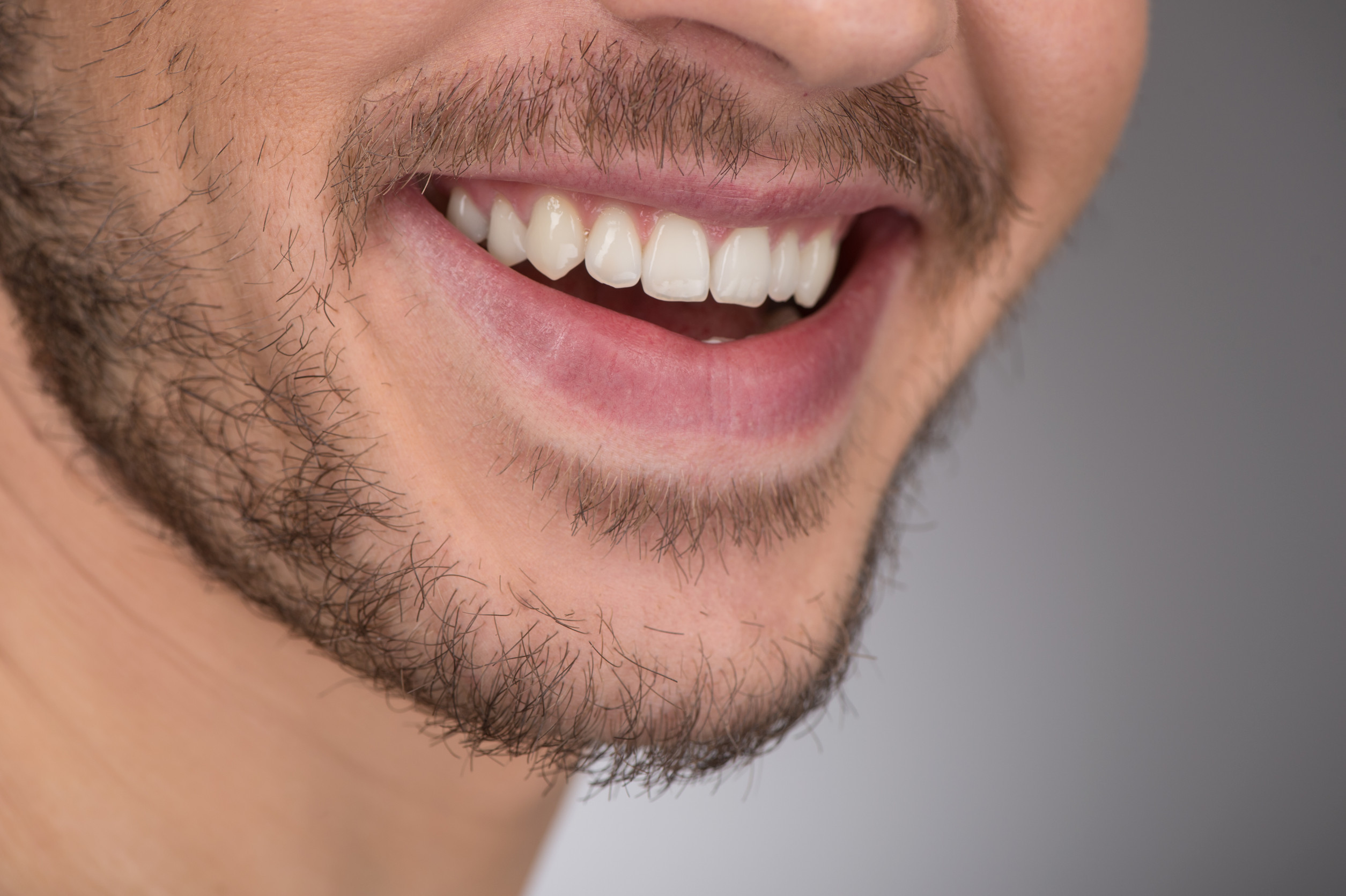
When most people think about orthodontic treatment, they picture straighter teeth and a better looking smile. But a corrected smile and bite do far more than improve photos. Proper alignment can protect your teeth, gums, jaw joints, airway, and overall health for decades.
If you are deciding whether orthodontic care is “worth it” for yourself or your child, it helps to look beyond the short term inconvenience and focus on the lifelong benefits. A healthy, well aligned bite can prevent problems before they start and reduce the need for future dental work.
A corrected bite is about health, not just looks
Crooked teeth and poor bite relationships are not only cosmetic issues. They can make brushing harder, strain your jaw joints, wear teeth down unevenly, and even affect breathing and sleep.
Orthodontic treatment is designed to bring teeth and jaws into a healthier balance. That is why the team at East Tennessee Orthodontics often talks about the connection between alignment and total oral wellness in resources like their article on the connection between oral health and orthodontics. This bigger picture view helps patients understand that the goal is a stable, comfortable, healthy smile that can last a lifetime.
Fewer cavities, healthier gums, and a lower risk of tooth loss
One of the most important long term benefits of a corrected smile is easier hygiene. When teeth overlap or tilt, they create tight spaces that trap plaque and food. Even people with good brushing habits can struggle to keep these areas clean, which raises the risk of:
- Tooth decay between crowded teeth
- Bleeding and inflamed gums
- Periodontal disease
- Eventual loosening or loss of teeth
By straightening teeth and closing or reshaping gaps, orthodontics removes many of these plaque traps. That is why the practice created a dedicated guide on how to improve gum health with orthodontics, highlighting how aligned teeth support stronger gums and bone.
If you want to see how these changes fit into a broader plan, the blog on how orthodontics can prevent more serious dental issues in the future explains how timely care today can reduce the need for root canals, extractions, and gum surgery later.
Protecting enamel from excessive wear and fractures
Your teeth are designed to meet in a specific way when you bite down. When the bite is off, certain teeth may take more force than they should. Over years, that extra pressure can cause:
- Flattened or chipped biting edges
- Cracks and craze lines in enamel
- Sensitivity to hot and cold
- Shortened teeth that age the smile
Correcting the bite distributes forces more evenly, protecting the enamel that you cannot grow back. The article on how braces correct bite issues and improve jaw alignment walks through common problems like overbite, underbite, crossbite, and open bite, and shows how treatment reduces abnormal wear.
Think of this as preserving the “hardware” of your mouth. When teeth meet properly, they last longer and stay stronger.
Jaw joint comfort and less TMJ strain
Your jaw joints, or temporomandibular joints, work every time you chew, talk, or swallow. When the bite is unbalanced, those joints often have to adapt by shifting slightly out of their ideal position. Over time, that can contribute to:
- Jaw clicking or popping
- Soreness or fatigue when chewing
- Headaches near the temples
- Ear pain or a feeling of pressure
In some cases, correcting the bite can reduce these stresses and give the jaw joints a more stable position. The team explores this in detail in their article on whether orthodontics can help with TMJ disorders.
While not every TMJ issue is solved with braces or aligners, a healthy bite is one of the best foundations you can give your jaw joints for the long term.
Better breathing, airway support, and sleep quality
Your teeth and jaws help define the size and shape of your airway. Narrow arches, retruded jaws, or severe crowding can reduce space for the tongue and soft tissues, which sometimes contributes to:
- Mouth breathing instead of nasal breathing
- Snoring at night
- Mild sleep disordered breathing or obstructive sleep apnea in combination with other factors
Aligning teeth and widening narrow arches can support a healthier airway. While orthodontics on its own is not a cure for serious sleep apnea, it can play an important role in a larger treatment plan. The article on the link between orthodontics and sleep apnea treatment explains how jaw positioning and dental arches can influence airflow.
For children, early correction of narrow jaws or crossbites can set them up for better breathing patterns throughout life. For adults, carefully planned orthodontic treatment can complement care from a sleep physician or ENT specialist.
More efficient chewing, better digestion, and nutrition
Your teeth are the first step in the digestive process. If your bite does not line up, you may not chew food as thoroughly as you should. That can lead to:
- Larger food particles reaching the stomach
- Extra strain on the digestive system
- A tendency to avoid certain healthy foods because they are hard to chew
A corrected bite allows you to break food down more effectively, which supports better digestion and nutrient absorption. For many patients, this is one of the subtle but meaningful health benefits highlighted in the article on how investing in orthodontics helps your long term dental health.
When chewing is comfortable and efficient, it becomes easier to enjoy a varied, nutritious diet that benefits your whole body.
Clearer speech and more balanced facial aesthetics
Teeth and jaws do more than chew. They help shape the sounds you make and the way your face looks at rest and when you smile. Misalignment can contribute to:
- Lisping or difficulty with certain sounds
- Muffled or slurred speech
- Lower facial imbalance, such as a chin that looks too far back or forward
Correcting the bite and aligning teeth can improve the way the tongue and lips interact with the teeth, which often leads to clearer speech. The detailed guide on the impact of orthodontics on speech and breathing issues explains how bite problems can influence both pronunciation and airflow.
On the aesthetic side, coordinated tooth and jaw position can create a more harmonious facial profile. The blog on how orthodontic treatment can improve facial symmetry and aesthetics shows how changes to the bite can subtly enhance the way the lips, cheeks, and jawline are supported.
The result is not a “new face,” but often a more balanced and confident version of your own.
Long term mental health and confidence benefits
It is easy to focus only on clinical outcomes, but the emotional benefits of a corrected smile and bite often last just as long. Many patients report that after treatment they:
- Smile more freely in photos and conversations
- Feel more at ease in professional or social settings
- Are more motivated to maintain good oral hygiene
- Experience a sense of pride and accomplishment
The team has written extensively about these emotional gains, especially for young patients, in resources like their article on the psychological benefits of orthodontic treatment for kids and teens and their piece on adult orthodontics in East TN. Together, these stories show that a healthy smile is often a turning point in how people see themselves.
Confidence alone does not show up on an X ray, but it can influence career opportunities, relationships, and quality of life for decades.
Benefits at every age, from teens to older adults
The health benefits of a corrected smile are not limited to teenagers. Adults and even older adults can gain significant advantages from improved alignment and bite.
- Teens get the benefit of aligning teeth while they are still growing, which lets orthodontists guide jaw development for optimal function and aesthetics.
- Young adults can protect their enamel and gums before years of extra wear have taken a toll.
- Middle aged and older adults often see improvement in chewing comfort, TMJ symptoms, and gum health once long standing bite issues are corrected.
The blog on orthodontics and aging for adults over 50 explains how treatment can still strengthen oral health and confidence later in life. The overview of adult orthodontic treatment options in East Tennessee shows how braces, clear aligners, and other appliances are adapted to adult needs and schedules.
No matter your age, it is worth asking what a healthier bite could do for your future.
Modern orthodontic technology that supports long term health
Another reason the lifetime benefits of a corrected smile are more accessible today is technology. Digital imaging, 3D treatment planning, and advanced appliances allow orthodontists to move teeth precisely and predictably, which supports stable, healthy outcomes.
The article on how digital impressions and 3D printing are changing orthodontics explains how these tools improve comfort and accuracy. A deeper dive into the science behind how braces and aligners move teeth shows how controlled forces reshape bone and ligaments in a safe, biologically guided way.
When you combine this technology with an experienced clinical team and a commitment to oral health, you get treatment plans that are designed for long term success, not just quick cosmetic fixes.
Making your corrected smile and bite last a lifetime
Orthodontic treatment is an investment, and like any investment, it needs maintenance. The good news is that the steps required to protect your new smile are simple and manageable.
Key habits that protect long term health benefits:
- Wearing retainers as instructed to prevent teeth from drifting
- Brushing twice a day and flossing daily
- Seeing your dentist regularly for cleanings and exams
- Protecting teeth with a mouthguard during sports
- Letting your orthodontist know if you notice changes in your bite or retainer fit
The article on retainers and the “forever rule” for East Tennessee smiles explains why retention is a lifetime partnership between you and your orthodontist. Combined with good hygiene and regular checkups, retention keeps teeth, gums, and jaw joints in the healthier positions you worked so hard to achieve.
Conclusion: A corrected smile is a lifetime health asset
A straight smile and well aligned bite do far more than look good on camera. They can:
- Lower your risk of cavities, gum disease, and tooth loss
- Protect your enamel from wear and damage
- Support healthier jaw joints, breathing, and digestion
- Improve speech clarity, facial balance, and confidence
- Reduce the need for future dental repairs and complex treatment
When you step back and look at the big picture, orthodontic care is not just a cosmetic upgrade. It is a long term health decision that benefits your mouth and your whole body for years to come.
If you are ready to explore what a corrected smile could do for you or your child, start with the overview of orthodontic services available in East Tennessee, then take a look at real before and after smile transformations. When you are ready to take the next step, you can contact East Tennessee Orthodontics to schedule a consultation and begin planning for a healthier bite and a confident smile that lasts.
Frequently asked questions about the long term health benefits of orthodontic treatment
How does straightening my teeth actually improve my health, not just my appearance?
Aligned teeth are easier to brush and floss, which reduces plaque buildup, cavities, and gum inflammation. A corrected bite also spreads chewing forces evenly, protecting enamel and jaw joints. Over time, that means fewer dental problems, less discomfort, and a lower risk of tooth loss.
Is it really worth getting orthodontic treatment as an adult?
Yes. Adults often see major improvements in chewing comfort, gum health, and confidence once their teeth and bite are corrected. The practice’s resource on adult orthodontics in East TN shows how treatment can be life changing at any age, especially when combined with modern, discreet options.
Can orthodontics help prevent gum disease over the long term?
Orthodontics can make gum disease easier to prevent by aligning teeth so they are easier to clean. Crowded and rotated teeth create spaces where plaque and tartar collect. Correcting those positions supports healthier gums, which is why the team emphasizes gum health in their guide on improving gum health with orthodontics.
Will braces or aligners help with jaw pain and headaches?
Often they can. If your jaw pain or headaches are related to an unbalanced bite or jaw position, aligning the teeth and improving the way your jaws meet can reduce strain. The article on whether orthodontics can help with TMJ disorders explains how treatment is planned when jaw joints are part of the picture.
Do the benefits of a corrected bite last forever?
They can last for decades, but only if you protect them. Retainer wear, good daily hygiene, and regular dental visits are essential. Without retention, teeth can drift and some benefits can be lost. With retention and healthy habits, most patients enjoy the advantages of their corrected smile for the rest of their lives.
Can orthodontic treatment really affect my breathing or sleep?
Yes, in some cases. Treatment that widens narrow arches or improves jaw relationships can support a more open airway and reduce mouth breathing. If you have sleep concerns, the blog on the link between orthodontics and sleep apnea treatment is a helpful starting point to understand how orthodontics fits into a larger care plan.
Are the health benefits the same for braces and clear aligners?
Both braces and clear aligners work by moving teeth into healthier positions. The health benefits are similar when the end result is a stable, well aligned bite. The best option for you depends on the complexity of your case, your lifestyle, and your preferences. Your orthodontist can explain the pros and cons so you can choose confidently.
How do I know if my smile and bite are affecting my long term health?
Signs include difficulty cleaning certain areas, frequent cavities, gum bleeding, jaw discomfort, uneven tooth wear, or speech and breathing issues. A comprehensive consultation, supported by digital imaging and a review of your symptoms, can reveal how alignment is affecting your health. If you want a structured overview of the process and timing, the team’s guide on how long orthodontic treatment takes is a good place to start before you schedule a visit.

-1.svg)

