
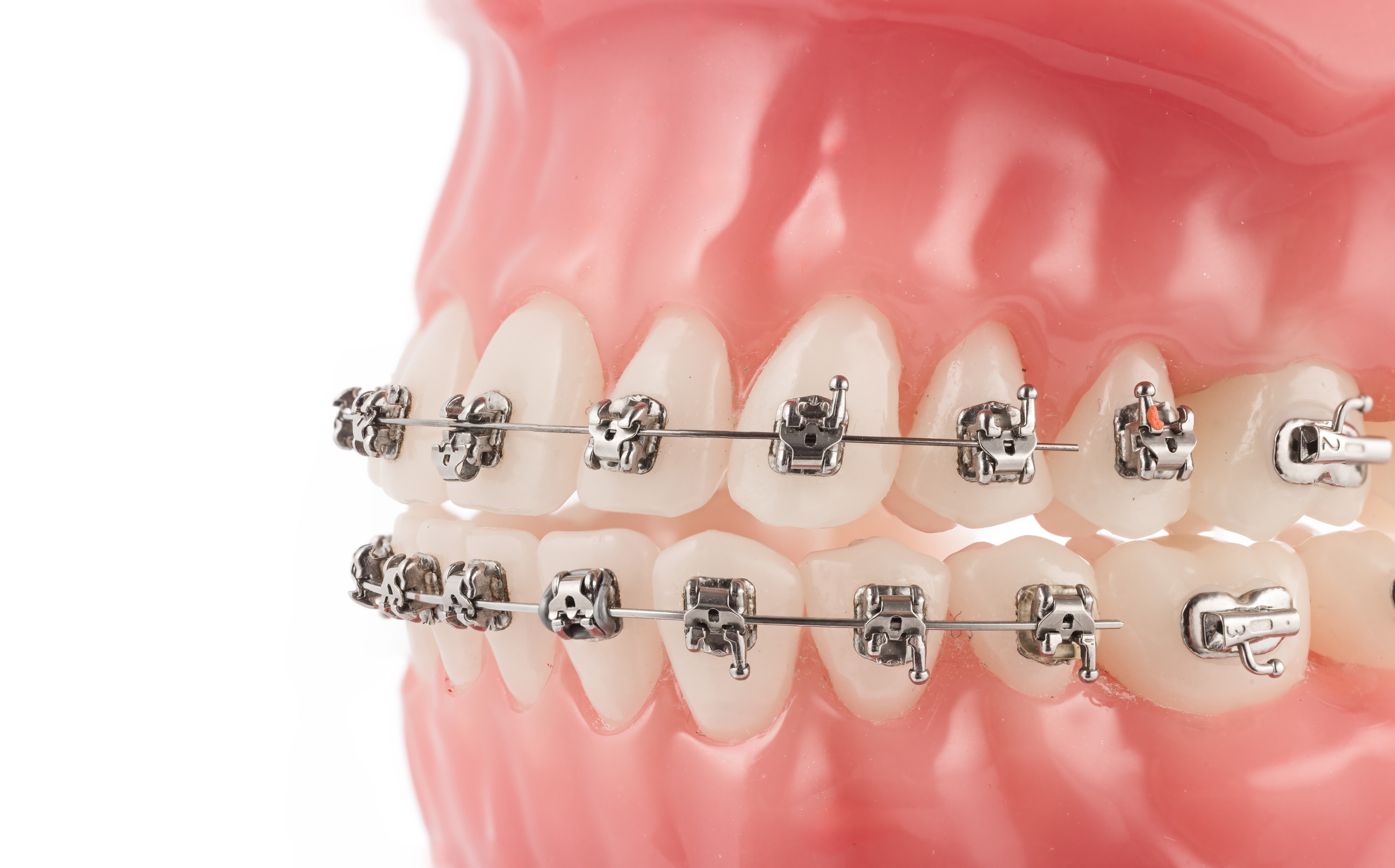
When most people think of orthodontic treatment, they picture braces or clear aligners used to straighten teeth for a better smile. But orthodontics isn’t just about aesthetics — it also plays a vital role in preparing the mouth for restorative procedures such as crowns, implants, and bridges.
This process is known as pre-prosthetic orthodontics, and it ensures that the foundation for restorative work is healthy, properly aligned, and functionally stable. Whether you’re replacing a missing tooth or restoring your bite with new dental prosthetics, orthodontic preparation can make all the difference in both appearance and long-term success.
In this guide, we’ll explore what pre-prosthetic orthodontics involves, why it’s essential, and how it helps patients across East Tennessee achieve strong, healthy, and beautifully balanced smiles before receiving restorative dental care.
What Is Pre-Prosthetic Orthodontics?
Pre-prosthetic orthodontics refers to the orthodontic treatment performed before restorative or prosthetic procedures — such as crowns, dental implants, or bridges. The goal is to align teeth, adjust spacing, and optimize the bite so that the prosthetic fits comfortably and functions properly.
Orthodontists and restorative dentists often work hand-in-hand on these cases. The orthodontist ensures the teeth and jaws are correctly positioned, while the dentist or prosthodontist creates and places the restorations that complete the treatment.
Common restorative procedures that benefit from pre-prosthetic orthodontics:
- Dental crowns: Require properly aligned supporting teeth to fit securely.
- Dental implants: Need adequate space and proper root alignment for implant placement.
- Dental bridges: Depend on stable, evenly spaced anchor teeth.
- Veneers: Benefit from even tooth positioning and bite balance.
Without proper orthodontic preparation, these restorations may not last as long or function as efficiently.
Why Orthodontic Preparation Matters
Restorative dentistry focuses on rebuilding or replacing damaged or missing teeth. But if your natural teeth are crooked, tilted, or improperly spaced, placing new restorations becomes challenging.
For example, if there’s not enough room for an implant or the surrounding teeth are leaning into the gap, the implant may be placed at an incorrect angle or require additional surgery. Similarly, if your bite is uneven, crowns or bridges may wear down prematurely.
Pre-prosthetic orthodontics helps correct these foundational problems before restorations are placed — ensuring a precise fit, ideal function, and long-term stability.
The Goals of Pre-Prosthetic Orthodontics
Each patient’s needs are unique, but pre-prosthetic orthodontics generally aims to:
- Create adequate space for implants or bridges.
- Align tilted or rotated teeth that interfere with prosthetic placement.
- Improve bite relationships to support long-term comfort and function.
- Level and align arches for even contact between upper and lower teeth.
- Protect the gums and bone by ensuring a balanced, healthy occlusion.
- Enhance aesthetics so that restorations blend naturally with the rest of your smile.
By addressing these goals, orthodontic preparation lays the groundwork for a smooth, efficient, and durable restorative process.
How Pre-Prosthetic Orthodontics Works
Step 1: Comprehensive Evaluation
Your orthodontist begins with a detailed evaluation that includes:
- Digital X-rays and 3D imaging to assess bone, roots, and spacing.
- Photos and impressions to plan treatment visually and digitally.
- Coordination with your dentist or prosthodontist to understand the restorative goals.
This collaborative approach ensures that both your orthodontic and restorative treatments are designed to complement each other.
Step 2: Orthodontic Treatment Planning
Your orthodontist creates a customized treatment plan to prepare your mouth for the upcoming restorations. Depending on your needs, this may involve:
- Aligning teeth using braces or clear aligners.
- Expanding dental arches to create adequate implant or bridge space.
- Adjusting the bite for better chewing function and aesthetics.
- Correcting root angulations to ensure implants can be placed precisely.
Every case is unique — some require only minor adjustments, while others may involve several months of alignment.
Step 3: Active Orthodontic Treatment
Orthodontic appliances such as braces or Invisalign® are used to reposition teeth and roots. During this stage, regular visits ensure progress stays on track and adjustments are made as needed.
If implants are part of your plan, your orthodontist and dentist coordinate the timing so that tooth movement is completed before implant placement.
In East Tennessee, orthodontic practices such as East Tennessee Orthodontics specialize in collaborative care, ensuring seamless communication between your orthodontist, general dentist, and prosthodontist.
Step 4: Transition to Restorative Treatment
Once your teeth are properly aligned and spaced, your orthodontist will remove the appliances or aligners and clear you for restorative work.
Your dentist can then proceed with:
- Placing dental implants
- Fitting crowns or bridges
- Applying veneers or bonding
This sequencing ensures that the restorations fit perfectly, function correctly, and enhance the harmony of your entire bite.
Common Scenarios Where Pre-Prosthetic Orthodontics Is Needed
1. Preparing for Dental Implants
Implants require specific spacing and angulation between teeth. If adjacent teeth are tilted or rotated, the orthodontist must move them into the ideal position before implant placement.
This is particularly common in patients who have lost a tooth and the neighboring teeth have drifted into the empty space over time.
Proper alignment ensures the implant is placed correctly, supported evenly, and looks natural.
2. Aligning Teeth for Bridges or Crowns
When teeth are crowded or unevenly spaced, it can be difficult to fit crowns or bridges securely. Orthodontic alignment helps:
- Straighten supporting teeth (called abutments)
- Balance bite forces for long-term durability
- Enhance overall smile symmetry
For crowns, pre-prosthetic orthodontics ensures that each tooth is positioned ideally for restoration — minimizing the need for excessive reshaping.
3. Correcting Overeruption Before Prosthetics
When a tooth is missing, the opposing tooth may “overerupt” into the empty space. This creates an uneven bite and reduces space for restorations. Orthodontic intrusion (moving a tooth back into position) restores proper spacing for implants or bridges.
4. Adjusting Roots Before Implant Placement
Even if teeth appear straight, their roots may be tilted into the area where an implant is needed. Orthodontic movement repositions these roots to make space for proper implant placement, ensuring that the bone integrates fully and the implant remains stable.
5. Preparing for Full-Mouth Reconstruction
For patients undergoing full-mouth rehabilitation — often involving multiple crowns, bridges, or implants — orthodontic preparation ensures that each restoration aligns perfectly within the bite.
By correcting misalignment and spacing issues beforehand, orthodontics helps prevent future complications such as uneven wear, TMJ discomfort, or gum problems.
The Role of Clear Aligners in Pre-Prosthetic Treatment
Clear aligners such as Invisalign® have become a popular option for adults preparing for restorative work. They offer precise tooth movement while maintaining comfort and aesthetics during treatment.
Benefits for pre-prosthetic cases:
- Controlled root positioning for implants
- Gentle space creation between teeth
- Removable design for easy hygiene and dental visits
- Ideal for minor adjustments before crown or veneer placement
Many East Tennessee professionals choose Invisalign because it allows them to prepare for prosthetic treatment discreetly while maintaining a polished appearance at work.
Collaboration Between Orthodontist and Restorative Dentist
Pre-prosthetic orthodontics is highly collaborative. Your orthodontist and dentist share records, imaging, and treatment goals to ensure every step aligns with your restorative plan.
This partnership ensures:
- Consistent communication between specialists
- Optimized treatment timing (for example, orthodontic movement before implant placement)
- Predictable, functional, and aesthetic outcomes
- Long-term bite stability
Practices like East Tennessee Orthodontics are known for their multidisciplinary approach, working closely with restorative specialists to coordinate seamless, efficient care for every patient.
Advantages of Pre-Prosthetic Orthodontics
- Enhanced longevity of restorations
Proper alignment ensures crowns, implants, and bridges are evenly supported and last longer. - Improved aesthetics
Orthodontic alignment creates a symmetrical foundation, making your final smile look more natural. - Reduced risk of complications
Correct spacing and bite alignment minimize stress on prosthetic materials and surrounding teeth. - Better oral hygiene
Straight, well-spaced teeth are easier to clean, helping prevent decay or gum disease around restorations. - More comfortable bite
Balanced alignment distributes pressure evenly, preventing TMJ pain or uneven wear. - Comprehensive treatment planning
Orthodontic preparation ensures that every restoration fits beautifully into your overall oral structure.
Duration of Pre-Prosthetic Orthodontic Treatment
The length of treatment depends on the complexity of your case.
- Minor alignment adjustments: 3–6 months
- Moderate spacing or bite correction: 6–12 months
- Complex or full-arch corrections: 12–18 months
For patients preparing for implant placement, the orthodontist coordinates with the dental surgeon to ensure optimal timing — aligning tooth movement with bone healing or grafting schedules when needed.
Maintaining Oral Health During Treatment
Whether you’re wearing braces or clear aligners, maintaining excellent oral hygiene is essential to ensure a smooth transition to restorative care.
Tips for maintaining dental health during orthodontic treatment:
- Brush twice daily using a soft-bristled toothbrush and fluoride toothpaste.
- Floss or use interdental cleaners daily to remove food particles.
- Rinse with an antimicrobial mouthwash to prevent plaque buildup.
- Visit your hygienist regularly for professional cleanings.
- Follow your orthodontist’s care instructions closely.
For aligner users, remember to clean your trays daily and remove them during meals to avoid staining or damage.
What Happens After Orthodontic Preparation
Once orthodontic treatment is complete and your bite is properly aligned, your restorative dentist will move forward with placing crowns, implants, or bridges.
Your orthodontist may also provide a retainer to keep your teeth in their new positions while you complete the prosthetic phase. Maintaining this alignment ensures that your restorations fit precisely and remain stable over time.
After your prosthetic work is complete, regular checkups with both your orthodontist and dentist ensure long-term success and bite stability.
The Long-Term Impact of Pre-Prosthetic Orthodontics
Orthodontic preparation doesn’t just make restorative procedures easier — it sets the stage for a lifetime of better oral health and function.
Long-term benefits include:
- Stronger bite function
- Healthier gums and bone support
- Longer-lasting restorations
- Reduced risk of fractures or prosthetic failure
- A balanced, harmonious smile
Investing in pre-prosthetic orthodontics ensures that every restoration not only looks beautiful but also performs effectively and comfortably for years to come.
Conclusion
Pre-prosthetic orthodontics is the unsung hero of restorative dentistry. By aligning teeth, creating proper spacing, and correcting bite relationships, orthodontic treatment ensures that crowns, bridges, and implants fit perfectly and function flawlessly.
For patients in East Tennessee, East Tennessee Orthodontics provides collaborative, expert care that integrates seamlessly with your dentist’s restorative plan. Whether you’re preparing for a single implant or a full-mouth reconstruction, their team ensures that your teeth and bite are in ideal condition before your restorations are placed.
A strong foundation leads to lasting results — and with pre-prosthetic orthodontics, your future smile will be both beautiful and built to last.
Key Takeaways
- Pre-prosthetic orthodontics aligns teeth and prepares your bite for crowns, implants, or bridges.
- Orthodontic preparation ensures proper spacing, root positioning, and bite balance.
- Collaboration between orthodontists and restorative dentists guarantees predictable results.
- Treatment may involve braces, clear aligners, or other appliances.
- Proper alignment enhances both the function and longevity of dental restorations.
- Practices like East Tennessee Orthodontics specialize in multidisciplinary treatment coordination.
Frequently Asked Questions (FAQ)
1. What is pre-prosthetic orthodontics?
It’s orthodontic treatment performed before placing crowns, bridges, or implants to ensure proper alignment and space for restorations.
2. Why do I need orthodontics before an implant?
Implants require precise spacing and root alignment. Orthodontic preparation ensures the implant can be placed correctly and securely.
3. Can Invisalign be used for pre-prosthetic orthodontics?
Yes. Clear aligners are effective for mild to moderate adjustments and are ideal for adults seeking discreet treatment.
4. How long does pre-prosthetic orthodontic treatment take?
It varies from a few months to over a year, depending on the degree of alignment or spacing required.
5. Do I need orthodontics for a single crown?
Sometimes. If surrounding teeth are tilted or crowded, orthodontic movement ensures the crown fits and functions properly.
6. Can orthodontics fix an uneven bite before bridges?
Yes. Bite correction ensures bridges distribute pressure evenly and last longer.
7. Will orthodontic treatment damage my teeth before restorative work?
No. When properly monitored, orthodontic care strengthens the foundation for future restorations.
8. What if I already have dental implants — can I still get braces?
Yes, but your orthodontist will plan carefully around the fixed implant to move surrounding teeth safely.
9. How do orthodontists and dentists coordinate care?
They share imaging, treatment plans, and progress updates to ensure smooth sequencing and optimal outcomes.
10. Where can I get pre-prosthetic orthodontic treatment in East Tennessee?
Visit East Tennessee Orthodontics to schedule a consultation. Their expert team collaborates with restorative dentists to ensure your smile is perfectly aligned and ready for long-lasting restorations.

-1.svg)

