
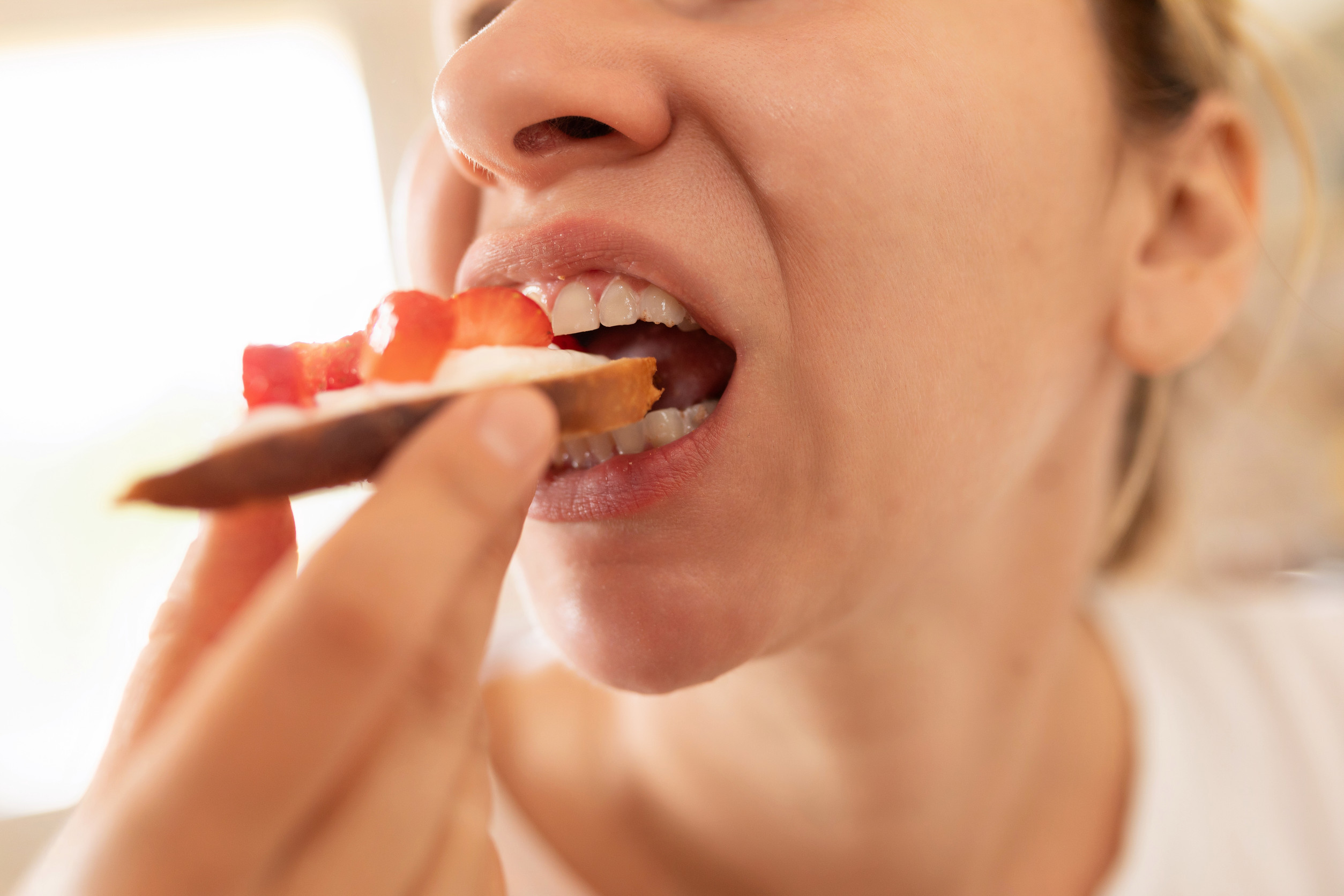
Most people think digestion starts in the stomach. In reality, digestion begins the moment you take a bite. Your teeth, jaws, tongue, and chewing muscles work together to break food down, mix it with saliva, and prepare it for the rest of the digestive process. When your bite is healthy and balanced, chewing is efficient and comfortable. When your bite is misaligned, the process can become slower, less effective, and sometimes painful.
A proper bite is not just about straight teeth for photos. It is about function. It affects how thoroughly you chew, what foods you avoid, how much strain your jaw joints absorb, and how your digestive system handles what you swallow. This article explains why bite alignment matters for chewing and digestion, what can go wrong with “bad bites,” and how orthodontic treatment can support long term health.
If you want a broad overview of treatment options that improve bite function, start with orthodontic services at East Tennessee Orthodontics.
Why chewing efficiency matters more than most people realize
Chewing is the first mechanical step in digestion. It turns food into smaller particles that the stomach and intestines can break down more easily. The better you chew, the easier it is for your digestive system to do its job.
Efficient chewing can support:
- More comfortable swallowing
- Better nutrient absorption
- Less digestive strain after meals
- Less chance of choking on poorly chewed food
- A more satisfying eating experience, especially with fibrous foods
When chewing is inefficient, people often swallow larger pieces of food. That can contribute to symptoms like bloating, indigestion, or discomfort, especially when meals are rushed. While digestion involves many factors, bite function is one of the most overlooked contributors because it feels “normal” until it is not.
Digestion starts in the mouth: the science in simple terms
Your mouth does three important things before food reaches your stomach.
1) Mechanical breakdown
Teeth cut, tear, and grind food into smaller pieces. This increases surface area, which makes digestion easier downstream.
2) Saliva and enzymes
Saliva lubricates food and contains enzymes that begin breaking down carbohydrates. Chewing mixes saliva evenly through the food so it forms a smooth bolus that is easy to swallow.
3) Safe swallowing
Proper chewing helps the tongue position food correctly for swallowing. When you cannot chew well, you may swallow prematurely, increasing the risk of irritation or discomfort.
A healthy bite supports all three steps by allowing the teeth to meet properly and by keeping the jaw joints stable while chewing.
What “a proper bite” really means
A proper bite is not one specific look. It is a functional relationship between teeth and jaws that allows you to chew efficiently without excessive strain.
In a healthy bite:
- Upper teeth overlap the lower teeth slightly
- Back teeth fit together like gears, distributing force evenly
- The jaw closes without shifting to one side
- Chewing muscles can work without compensation
- Teeth meet in a balanced way that avoids heavy impact on a few spots
If you want a deeper explanation of how jaw position affects daily function, the article on jaw alignment and overall oral health connects bite alignment to chewing, digestion, breathing, and comfort.
How malocclusion disrupts chewing and digestion
Malocclusion means the teeth and jaws do not fit together in an ideal way. Even mild misalignment can change chewing efficiency. More significant bite problems can make eating uncomfortable and cause people to unconsciously avoid certain foods.
Here are some common ways bite problems affect function.
Uneven force distribution
If only a few teeth carry most of the bite force, chewing becomes less effective and more tiring. Over time, this can contribute to tooth wear and sensitivity.
Limited contact points
Some people cannot bring their teeth together evenly. If only the back teeth touch or only a few teeth contact during chewing, grinding food thoroughly becomes harder.
Compensatory chewing
Many patients chew mostly on one side because it feels more comfortable. That habit may begin because of a crossbite, a shifted jaw, or crowding. One sided chewing can overload the chewing muscles and jaw joint on that side.
Reduced food variety
When biting into foods is difficult, people often avoid:
- Apples and raw vegetables
- Nuts and crunchy proteins
- Chewy whole grains
- Tough meats
- Salads and fibrous foods
Avoiding these foods can impact nutrition over time. Some people do not notice the pattern until it is pointed out, because the avoidance becomes habitual.
Bite problems that commonly affect chewing
Some bite patterns are especially linked to chewing difficulties.
Open bite
When front teeth do not touch, biting into foods like sandwiches, pizza, or fruit can be frustrating. People often tear food with their side teeth instead, which is less efficient.
Crossbite
Crossbite can cause the jaw to shift to one side to find a comfortable bite. That shift can reduce chewing efficiency and increase muscle strain.
Deep bite
A deep bite can restrict jaw movement and may contribute to enamel wear. It can also make chewing feel “tight” or uncomfortable.
Significant overjet
When upper front teeth protrude far forward, it can change how the front teeth guide biting and tearing motions. It may also increase risk of dental trauma.
If you want a bite focused explanation of how treatment addresses these issues, read how braces correct bite issues and improve jaw alignment.
Jaw joint strain and chewing fatigue
Chewing is repetitive motion. You might chew thousands of times in a day. If your bite is off, your jaw joints and chewing muscles can take on extra work.
Signs that chewing is straining your jaw system include:
- Jaw fatigue during meals
- Clicking or popping in the jaw
- Headaches that start near the temples
- Soreness in the cheeks or jawline after eating chewy foods
- Morning tightness if you clench or grind at night
Bite correction can reduce the uneven stress that contributes to these symptoms in some cases.
Chewing, digestion, and overall health: the ripple effects
When chewing is less effective, digestion can feel harder. People may swallow larger pieces of food and eat faster to compensate. While the digestive system can still process food, it may do so with more effort.
Here are some common ripple effects:
- Indigestion or bloating after meals
- A sense of heaviness when eating fibrous foods
- Avoidance of healthier textures, leading to less balanced nutrition
- Increased reliance on softer, processed foods
- More frequent snacking, because meals do not feel satisfying
Orthodontics is not a treatment for digestive disorders, but it can remove one obstacle to efficient eating by improving bite function. The article on how orthodontics can prevent more serious dental issues in the future also discusses chewing and digestion as functional reasons many patients pursue treatment.
How orthodontic treatment improves functional chewing
Orthodontic treatment improves chewing efficiency by aligning teeth and balancing how they meet. A corrected bite can:
- Increase the number of effective chewing contact points
- Reduce shifting or sliding when the jaw closes
- Distribute forces more evenly across the teeth
- Improve bite stability during tearing and grinding motions
- Make it easier to chew tough or fibrous foods
Treatment may include braces, clear aligners, elastics, or early appliances for growing kids. The right plan depends on the type of malocclusion, your age, and how the jaws are positioned.
If you are exploring options, start with comprehensive orthodontic services in East Tennessee to see what treatments are available for kids, teens, and adults.
Why timing matters for kids: chewing, growth, and development
For children, chewing function influences diet, speech habits, and jaw development. Some bite issues are easier to address while the jaws are still growing, especially crossbites or narrow arches that can limit chewing comfort.
Early evaluation can help determine whether a child needs:
- Monitoring only
- Interceptive treatment to guide growth
- Space planning to avoid eruption problems later
If you want to understand early treatment decisions, the guide on interceptive orthodontics and early intervention explains when and why orthodontists recommend treatment before the teen years.
Adults benefit too: restoring function, not just straightness
Adults often assume orthodontics is purely cosmetic after a certain age. In reality, adults can see meaningful functional benefits, especially when they have:
- Uneven tooth wear
- Shifting teeth that worsen chewing contact
- Jaw fatigue or tension during meals
- Gum challenges made worse by crowding
- Bite changes after dental work
If you are an adult considering treatment for comfort and long term oral health, the article on orthodontics for adults is a helpful starting point.
A quick self check: signs your bite may be affecting chewing
You do not need to diagnose yourself, but you can notice patterns that suggest it is time for an orthodontic evaluation.
Step by step bite and chewing self check
- Notice your chewing side. Do you always chew on one side?
- Pay attention to foods you avoid. Are there textures you avoid because they feel hard to bite or chew?
- Check for jaw fatigue. Do your jaw muscles feel tired after a chewy meal?
- Look for uneven wear. Are certain teeth flatter or more sensitive than others?
- Listen for jaw sounds. Clicking or popping is not always serious, but it is worth mentioning.
- Watch your bite closure. Does your jaw shift slightly to one side when you close?
If you check several boxes, a consult can help you understand whether bite correction could improve comfort and function.
Best practice tips to chew better right now
If you are dealing with chewing inefficiency while you explore treatment options, these tips may help.
- Slow down meals. More chewing time often reduces digestive discomfort.
- Choose supportive textures. Cook vegetables slightly softer while still keeping nutrients.
- Cut food into smaller pieces. This reduces biting strain on front teeth and jaw joints.
- Alternate sides intentionally. If you chew on one side out of habit, gently practice switching.
- Stay hydrated. Saliva matters for forming a smooth bolus and swallowing comfortably.
If you are already in orthodontic treatment and need help balancing comfort with nutrition, the life with braces guide includes practical tips for eating and daily care.
When to schedule an orthodontic evaluation for functional concerns
You should consider scheduling a bite evaluation if you or your child experiences:
- Difficulty chewing certain foods
- Frequent jaw fatigue, clicking, or soreness
- Teeth that hit “wrong” or feel uneven when biting
- One sided chewing habits
- Visible bite issues like crossbite, open bite, or deep bite
- Ongoing tooth wear or chipping
Functional concerns are legitimate reasons to seek orthodontic care. If you are ready to take the next step, you can schedule an orthodontic consultation with East Tennessee Orthodontics.
Conclusion: A proper bite supports digestion from the first bite to the last swallow
Chewing efficiency is not a small detail. It is the opening act of digestion, and it influences comfort, nutrition, jaw health, and long term dental stability. A proper bite helps you chew thoroughly, distribute force evenly, and eat a wider range of healthy foods without strain. A misaligned bite can disrupt that process, leading to compensation, discomfort, and habits that affect health over time.
If chewing feels harder than it should, or if you notice bite imbalance, it is worth getting a professional evaluation. Start by learning about orthodontic treatment options in East Tennessee, then take action by contacting the East Tennessee Orthodontics team to schedule a consult focused on function, comfort, and long term health.
Frequently Asked Questions: Chewing Efficiency, Digestion, and Bite Alignment
1. Can a bad bite really affect digestion?
Yes. Chewing is the first step of digestion. If your bite makes it hard to break food down thoroughly, you may swallow larger pieces, which can make digestion feel more difficult and less comfortable for some people.
2. What are signs that my bite is reducing my chewing efficiency?
Common signs include chewing on one side only, jaw fatigue during meals, difficulty biting into foods like sandwiches or apples, frequent cheek biting, and avoiding crunchy or fibrous foods because they feel hard to chew.
3. Which bite problems most commonly interfere with chewing?
Open bite, crossbite, deep bite, and severe overjet often create chewing challenges because teeth do not contact evenly or the jaw shifts to find a comfortable position.
4. Why do I always chew on one side?
Many people do this because one side feels more comfortable or stable due to uneven bite contact, missing teeth, crowding, or a crossbite. Over time it becomes a habit, even if you do not notice it.
5. Can orthodontic treatment improve chewing comfort?
Yes. By aligning teeth and balancing bite contact, orthodontic treatment can increase effective chewing surfaces, reduce shifting, and distribute forces more evenly so chewing feels easier and less tiring.
6. Will braces or aligners change what foods I can eat long term?
Long term, many patients find they can eat a wider variety of foods more comfortably after bite correction. During treatment, some foods may need to be avoided or modified, especially with braces.
7. Can bite correction help with jaw clicking or chewing fatigue?
Sometimes. If jaw clicking or fatigue is related to bite imbalance or uneven muscle strain, improving alignment can reduce stress on the jaw system. However, TMJ symptoms can have multiple causes, so an evaluation is important.
8. Is chewing difficulty a good reason to schedule an orthodontic consultation?
Absolutely. Orthodontic care is not only cosmetic. Functional concerns like chewing difficulty, jaw fatigue, uneven tooth wear, or bite discomfort are valid reasons to get a professional bite evaluation.
9. Do kids need treatment earlier if chewing is difficult?
It depends. Some chewing issues are related to growth patterns like crossbite or narrow arches, which can be easier to correct while a child is still growing. An early orthodontic evaluation can determine the best timing.
10. What can I do right now if chewing feels hard while I wait for an evaluation?
Slow down meals, cut foods into smaller pieces, choose softer but nutritious textures, drink water to support saliva flow, and try to chew on both sides gently if you tend to favor one side.

-1.svg)

