
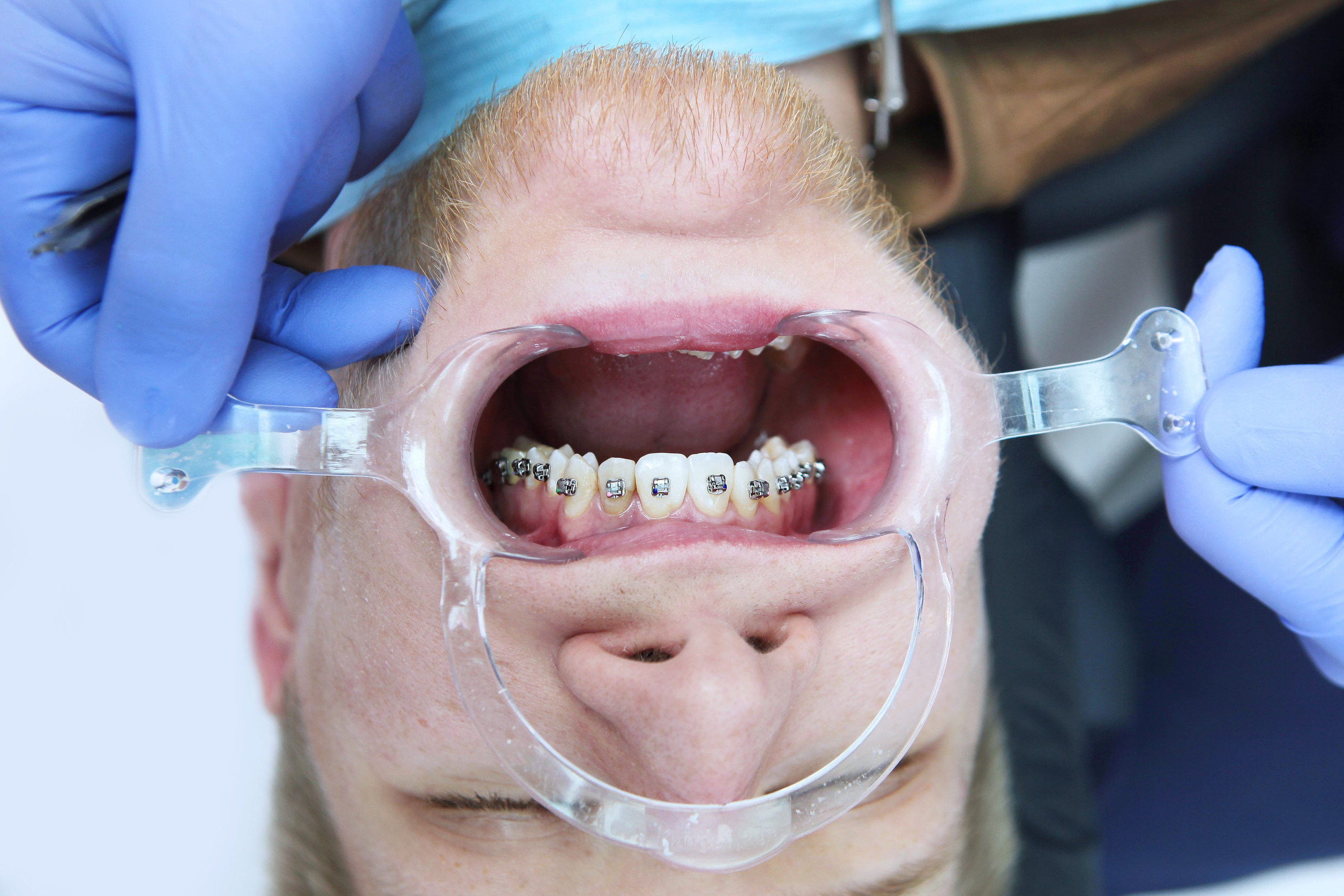
Orthodontic treatment is no longer seen as just a rite of passage for teenagers. Today, adults make up a massive percentage of orthodontic patients. Whether choosing traditional braces or clear aligners, adults are realizing it is never too late to invest in a healthier, more balanced bite. However, treating adults is biologically different from treating children or teenagers. Adults are no longer growing, their jaw bones are denser, and their oral tissues have experienced decades of daily wear and tear.
One of the most common issues adult patients bring to an orthodontic consultation is gum recession. When you look in the mirror and notice your teeth look longer, or that the pink gum tissue has pulled back to expose the yellow roots of your teeth, it is natural to feel hesitant. You might wonder: Can my teeth handle being moved if my gums are already pulling away? Will braces make my gum recession worse?
The short answer is yes, you can absolutely undergo orthodontic treatment if you have gum recession. In fact, straightening your teeth can often help protect your gums from further damage. However, you cannot just jump right into treatment. There is a strict protocol that must be followed, and specific health checks must happen before any appliance touches your teeth. Moving forward safely requires understanding how your gums, bone, and teeth interact under pressure.
The Biology of Tissue Support: How Teeth Move
To understand the risks and safety measures associated with gum recession, you must first understand how a tooth moves. Teeth are not cemented directly into your jaw bone. Instead, they sit inside a socket, suspended by a tiny hammock of living fibers called the periodontal ligament (PDL). The outer layer of the bone is covered by your gums (gingiva).
When an orthodontist places braces or aligners on your teeth, the appliance applies a continuous, gentle force. This force pushes the tooth root against the wall of its bony socket. On the side receiving the pressure, special cells called osteoclasts break down a tiny amount of bone to create space for the root to shift. On the opposite side, where the root is pulled away from the socket wall, cells called osteoblasts build new bone to fill in the gap.
Biomechanical Remodeling Force:
[ Bracket/Aligner Force ] → Push → [ PDL Compresses ] → Bone Breaks Down (Osteoclasts)
[ Bracket/Aligner Force ] ← Pull ← [ PDL Stretches ]  → New Bone Builds (Osteoblasts)
This biological dance relies heavily on the health of the bone and gum tissues supporting the root. To see how these forces interact with your anatomy on a microscopic level, you can explore the science of tooth movement and how braces and aligners remodel bone. When your gums are healthy and fully cover the bone, this remodeling process happens smoothly. However, when gum recession is present, it means the protective ceiling of bone and tissue has dropped, meaning the tooth has less structural foundation to lean on during its journey.
Why Adults Experience Gum Recession
Gum recession happens when the margin of the gum tissue surrounding the teeth wears away or pulls back, exposing more of the tooth or the tooth's root. In adults, recession rarely happens due to just one issue. It is usually the result of several overlapping factors over time:
Decades of Aggressive Brushing
Many adults mistakenly believe that brushing harder means cleaning better. Using a hard-bristled toothbrush or applying heavy sawing motions can slowly scrub away the delicate gum tissue, especially on the prominent front corners of your teeth.
Genetics and Thin Tissue Types
Just like your skin or hair, the thickness of your gum tissue is largely inherited. Some people are born with a "thin biotype," meaning their gums are naturally delicate and more prone to tearing or receding under minimal stress.
Misalignment and Traumatic Bites
If a tooth is crowded and pushed too far outside the dental arch, it can actually sit right on the edge of its bony housing. The thin layer of bone covering the outside of that root can dissolve over time, taking the overlying gum tissue down with it. Additionally, a traumatic bite that places heavy, uneven pressure on a single tooth can overload the root, causing the surrounding gum tissue to recede.
The Absolute First Step: The Periodontal Health Check
Before you choose an orthodontic appliance, you must complete a comprehensive periodontal screening. You cannot skip this step. Moving teeth in the presence of unmanaged, active gum issues is a recipe for severe structural damage.
Pre-Orthodontic Mandatory Checklist:
1. Complete Periodontal Exam (Pocket Depth Measurement)
2. Radiographic Bone Height Evaluation
3. Plaque Control and Hygiene Verification
4. Clearance of Active Inflammation (Zero Bleeding)
During this initial screening, your dental team focuses on four critical indicators to ensure your mouth can safely handle orthodontic treatment.
1. Active vs. Stable Recession
Gum recession is a physical description of where your gums sit, but it does not tell the whole story. Your orthodontist needs to determine if your recession is active or stable. Active recession means the tissue is currently inflamed, infected, and actively pulling back further by the month. Stable recession means that while your gums are lower than they should be, the tissue is completely healthy, firm, pink, and has not changed position in a long time. You can only move teeth if your gum recession is 100% stable.
2. Periodontal Pocket Depths
The dental professional will use a thin, calibrated instrument called a periodontal probe to gently measure the space between your tooth and your gum tissue. In a healthy mouth, these pockets measure between 1 and 3 millimeters deep. If your pockets measure 4 millimeters or deeper, it means the gums have detached from the root, creating a deep pocket where dangerous bacteria can hide. Moving a tooth with deep, infected pockets can push the bacteria deeper into the bone, leading to rapid, irreversible bone destruction.
3. Radiographic Bone Height
Gum tissue follows the height of the underlying jaw bone. If you have lost gum tissue, you have likely lost some of the underlying bone support as well. Digital panoramic and bitewing X-rays allow the doctor to inspect the exact height and density of the bone surrounding each root. The orthodontist uses this data to map out exactly how much force a tooth can tolerate.
4. Bleeding on Probing
Healthy gums do not bleed. If your gums bleed when they are probed or brushed, it is a sign of active inflammation (gingivitis or periodontitis). Moving teeth through an area of active inflammation accelerates bone loss.
Understanding who handles each piece of this diagnostic puzzle is an important part of your care. Taking time to look at how different specialists work together by reading about understanding the differences between an orthodontist and a dentist will help clarify the collaborative workflow required to safely protect your smile.
Active Periodontitis vs. Stable Recession: The Crucial Distinction
It is vital to draw a distinct line between stable gum recession and active periodontal disease. Stable gum recession is essentially a scar from past trauma—whether from historic misalignment, aggressive brushing, or an old injury. If the tissue is clean, attached, and free of infection, it can safely handle orthodontic forces.
Active periodontal disease, however, is a live bacterial infection. The bacteria build up on the roots of your teeth, forming hardened tartar that irritates the tissue and triggers a chronic inflammatory response from your immune system. Your body tries to back away from the infection, causing the bone and gums to slowly dissolve.
If you attempt to move a tooth with active periodontal disease, the orthodontic pressure compounds the inflammatory stress. The combination of bacterial infection and physical force acts like a bulldozer, quickly destroying the remaining bone anchorage. This can cause teeth to become severely loose, and can even result in tooth loss.
Therefore, any active gum disease must be completely treated and eliminated by a general dentist or a periodontist (a gum specialist) before your orthodontic treatment begins. Once your infection is cleared, your pockets are reduced, and your mouth is healthy, you can safely explore adult orthodontics for better oral health, ensuring your alignment journey supports your long-term wellness.
Orthodontic Appliance Options for Adults with Recession
Once you receive clean periodontal clearance, your orthodontist will help you select the best appliance for your specific tissue profile. Adult patients with a history of recession must prioritize appliances that offer exceptional force control.
Appliance Matrix for Sensitive Gums:
Traditional Braces: High control over root angles, requires advanced hygiene care.
Clear Aligners:     Highly accurate force limits, removable for unhindered flossing.
Clear Aligners: The Premium Option for Compromised Gums
For many adult patients with gum recession, clear aligners are highly recommended. Aligners offer two massive clinical advantages:
- Uncompromising Oral Hygiene: Traditional brackets and wires create endless small corners where plaque can accumulate. If you already have a history of gum recession, keeping these areas perfectly clean can be a major challenge. Clear aligners are completely removable. You can take them out to brush and floss normally, ensuring that plaque never has a chance to irritate your sensitive gumline.
- Highly Calibrated, Incremental Forces: Clear aligner software allows orthodontists to plan tooth movements down to the fraction of a millimeter. The software can set strict limits on the amount of force applied to compromised teeth, ensuring they are never overloaded.
To review how aligner therapy operates safely, explore our comprehensive breakdown of adult treatment options and clear aligners to see how modern customized aligners protect adult bone structure.
Traditional and Ceramic Braces
Braces remain an excellent option for adults, particularly when complex root movements are required to fix a bad bite. Because brackets are bonded directly to the teeth, the orthodontist can exert total control over the 3D angle of the tooth root. However, adult patients with braces must be highly disciplined with their daily hygiene routine, using proxy brushes, water flossers, and specialized tools to keep their gums clean and healthy.
Biomechanical Rules: The "Light, Continuous Force" Protocol
When an orthodontist plans treatment for an adult with gum recession, they change their mechanical strategy. They cannot treat adult bone the same way they treat a growing teenager's bone. The strategy shifts to a specialized protocol centered around light, continuous forces.
Because a tooth with gum recession has less bone anchorage, the remaining bone experiences higher localized stress from orthodontic forces. To compensate for this reduced foundation, the orthodontist applies incredibly gentle, low-grade pressures. This moves the teeth slowly and safely, allowing the bone to remodel without overloading the delicate tissues.
Cortical Bone Boundaries:
[ Outer Bone Wall ] <--- Avoid pushing root outside boundary ---> [ Inner Bone Wall ]
Additionally, the orthodontist must keep the tooth roots safely centered within the core of the jaw bone (the alveolar housing). If a tooth root is pushed too far forward or backward against the thin outer walls of the bone, it can create a fenestration (a bony window) or a dehiscence (a structural V-shaped defect in the bone height). This skeletal exposure instantly causes the overlying gum tissue to pull back further. By keeping the roots centered within the bony arches, the orthodontist actively guards against additional recession.
Pre-Orthodontic and Mid-Treatment Gum Interventions
In cases of severe gum recession, your dental team may decide that your natural gum tissue is too thin to safely withstand the stress of orthodontic movement. If this occurs, they may recommend a protective procedure known as a gum graft before your braces or aligners are placed.
A gum graft is a minor surgical procedure typically performed by a periodontist. The specialist takes a small piece of healthy tissue—usually from the roof of your mouth or from a safe donor source—and gently micro-sutures it over the area of severe recession.
Gum Graft Timing Options:
Pre-Treatment Graft:  Builds up thick, tough tissue to resist moving forces.
Post-Treatment Graft: Covers exposed roots once teeth are stable in their ideal spots.
- Pre-Orthodontic Grafting: If the tissue covering a root is thin and fragile, a pre-treatment graft adds a thick, durable layer of attached tissue. This tough new barrier acts like a shield, preventing the moving forces from pulling the gumline down further.
- Post-Orthodontic Grafting: If your recession is stable and the teeth are moving in a safe direction (such as pulling a protruding tooth inward into thicker bone), your doctor may choose to wait. Once the teeth are in their final, balanced positions, a periodontist can perform a graft to cover the roots in a highly predictable, stable environment.
The Long-Term Reward: How Alignment Stops Future Recession
While navigating gum recession requires extra diagnostic checks, the long-term benefits of completing orthodontic treatment are massive. Correcting a misaligned bite is one of the most effective ways to protect your gums from future wear and tear.
When your teeth are crowded, rotated, or overlapping, they create tight spaces that act as permanent tartar traps. No matter how hard you brush or floss, you cannot cleanly reach the bacteria hiding in these overlapping folds. By straightening your teeth, you eliminate these traps, allowing you to easily maintain healthy, infection-free gums. If you want to explore how a straight smile defends your tissues from long-term infection, check out our guide on improving gum health with orthodontics and preventing gum disease.
The Alignment Protection Cycle:
[ Straight Teeth ] → No More Plaque Traps → Effective Brushing/Flossing → Stable, Healthy Gums
Furthermore, correcting an uneven bite eliminates traumatic occlusion. When your teeth meet evenly, the heavy forces of chewing are distributed across your entire mouth rather than overloading a few misaligned teeth. Removing this physical trauma stops stress-induced gum recession in its tracks, giving your smile a long-term foundation of structural comfort and health. To see how a balanced bite preserves your teeth and jaw joints over your lifetime, you can read about the lifetime health benefits of a corrected smile and bite.
Conclusion: A Collaborative Journey to a Healthier Smile
Having gum recession does not mean you have to give up on your goal of a straight, healthy smile. It simply means you need to take a smart, calculated path to get there. Your gums and jaw bone are the foundation of your smile, and ensuring that foundation is stable and infection-free is the single most important part of adult orthodontic care.
By completing a thorough periodontal assessment first, clearing away any active inflammation, and utilizing light, calibrated forces via custom aligners or braces, you can achieve a beautifully aligned smile without risking your gum health. It is an approach that requires close coordination between your orthodontist, your general dentist, and potentially a periodontist.
Do not let gum recession keep you from exploring your options. With proper planning, a commitment to excellent daily hygiene, and a collaborative team of professionals by your side, you can safely transform your bite and secure a healthy, beautiful smile that will serve you well for the rest of your life.

-1.svg)

