
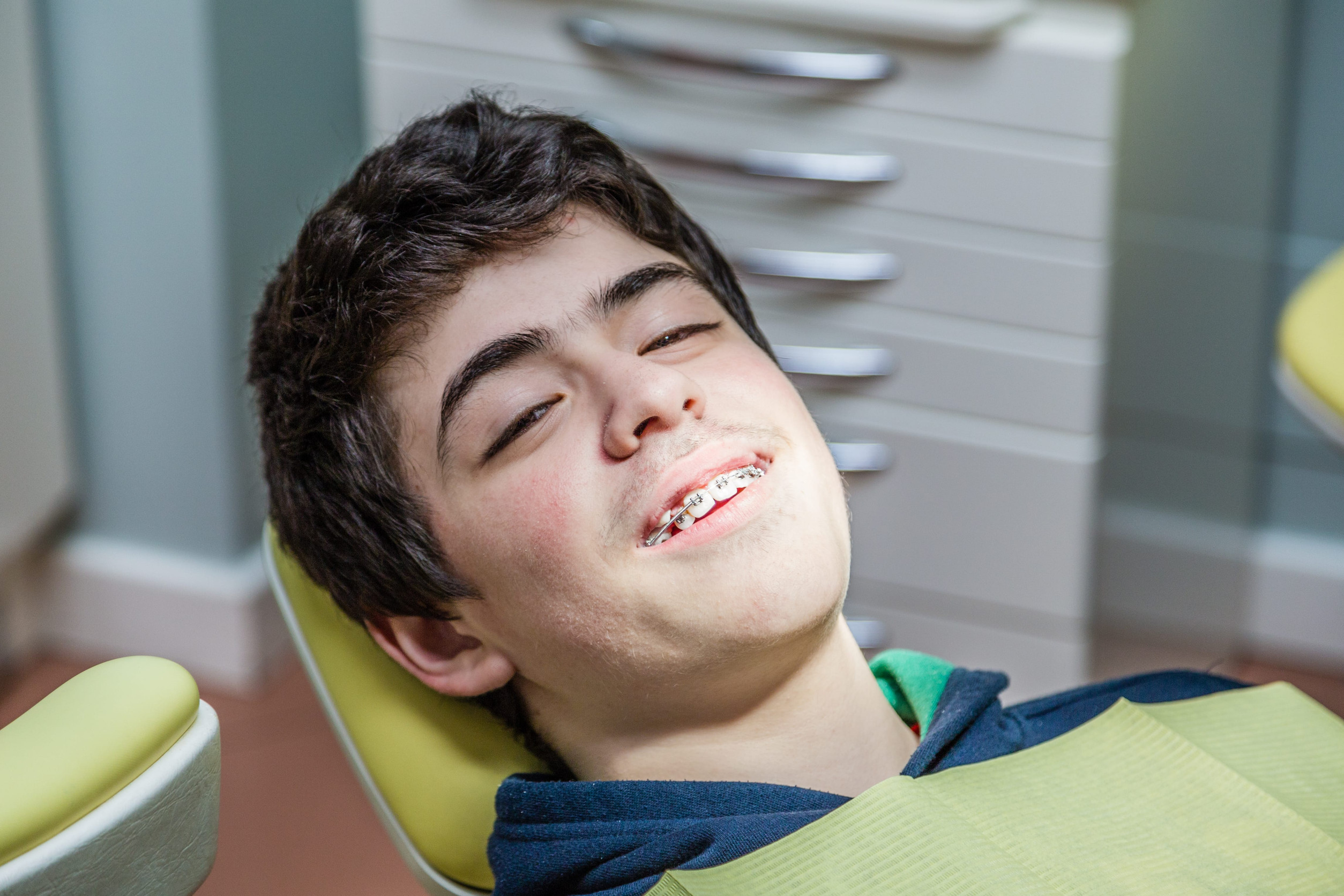
Teen Orthodontics: How Braces Can Boost Confidence
Adolescence is a time of immense growth, self-discovery, and transition. As teenagers navigate the middle and high school years, they face a barrage of social pressures, academic challenges, and physical changes. Among these changes, personal appearance plays a central role in how young adults perceive themselves and interact with their peers. A smile is often the very first thing people notice, making it a powerful component of a teenager's self-image.
When a teen feels self-conscious about crooked, crowded, or protruding teeth, it can subtly—or severely—impact their everyday life. They might cover their mouth when laughing, avoid smiling in photos, or refrain from speaking up in class. Orthodontic treatment does far more than simply line up enamel for an aesthetically pleasing result; it acts as a transformative catalyst for emotional well-being, social self-assurance, and lifelong personal confidence.
The Psychological Connection Between Smiles and Self-Esteem
The relationship between physical appearance and psychological well-being during formative teenage years is well-documented. Self-esteem in adolescents is closely tied to peer acceptance and body image. When teens feel good about their appearance, their overall self-worth receives a substantial boost. Conversely, visible dental misalignments can lead to feelings of inadequacy or vulnerability to teasing.
Breaking the Cycle of Hiding
Teenagers who are embarrassed by their teeth often develop defensive habits:
- Smiling with lips tightly closed to hide front teeth.
- Placing a hand over the mouth while speaking, giggling, or laughing.
- Avoiding eye contact during conversations to divert attention away from their face.
- Declining participation in social activities, school photos, or public speaking opportunities.
When orthodontic care begins, a positive mental shift occurs almost immediately. Even before treatment is complete, teens gain a sense of agency and progress. Knowing that their smile is actively improving gives them permission to stop hiding. As teeth gradually shift into harmony, those defensive habits fade away, replaced by open, uninhibited expressions of joy.
The Biological Advantage: Why Adolescence is the Optimal Time
While boosting confidence is a major emotional outcome, the biological timing of teenage treatment is ideal for physical reasons. Adolescence coincides with rapid growth spurts, making the facial bones and surrounding tissues remarkably adaptable.
  ADOLESCENT GROWTH SPURT:
  Flexible Jaw Sutures ───> Rapid Cellular Turnover ───> Efficient Tooth Movement
                                                                  │
  Shorter, More Predictable Treatment <───────────────────────────┘
During this developmental window, the midpalatal suture and alveolar bone supporting the teeth are less dense and more responsive to gentle, continuous pressure. Orthodontists can capitalize on this natural growth trajectory to guide jaw relationships, widen narrow arches, and align crowded roots efficiently.
Addressing misalignments during these growth years prevents complex skeletal discrepancies from hardening in adulthood. To understand the underlying biology of how adolescent bone responds to gentle mechanical pressure, explore the science behind how braces and aligners move teeth.
How a Radiant Smile Transforms Daily Teen Life
The psychological benefits of a straight smile ripple through every aspect of a teenager's daily routine, influencing academic performance, extracurricular participation, and interpersonal relationships.
Classroom Participation and Academic Assertiveness
Confidence in one's appearance directly affects willingness to engage in class. A teenager who isn't worrying about how their teeth look when they talk is far more likely to participate in class discussions, give presentations, and raise their hand with authority. This willingness to be heard can lead to better academic engagement and improved communication skills that serve them well into college and their future careers.
Socializing Without Hesitation
Peer groups are the cornerstone of teenage social development. Feeling confident in a smile eliminates a massive barrier to effortless socializing. Whether hanging out after school, attending dances, or taking candid photos with friends, teens with aligned teeth can focus entirely on enjoying the moment rather than managing their appearance.
Modern Appliance Options: Customizing the Teen Experience
One reason orthodontics builds so much confidence today is that teenagers have choices. Gone are the days when high-visibility "railroad tracks" were the only path forward. Modern technology allows teens to choose an option that reflects their personality and matches their comfort level.
1. Traditional Metal Braces: Vibrant and Custom
Today's metal brackets are smaller, sleeker, and far more comfortable than those from decades past. Many teenagers actually embrace metal braces as a form of fashion and self-expression. By choosing custom elastic tie colors at each adjustment visit—matching school colors, holiday themes, or sports team spirit—teens turn their treatment into a fun personal statement. To learn more about how fixed bracket systems work, review our guide on understanding metal, ceramic, and self-ligating braces options.
2. Clear Ceramic Braces: Subtly Effective
For teenagers who prefer a low-profile look, ceramic braces offer a fantastic middle ground. Made of translucent tooth-colored material, ceramic brackets blend seamlessly with enamel, providing the precise structural control of traditional braces without drawing undue visual attention.
3. Clear Aligners: Discrete and Flexible
Clear aligner systems (such as Invisalign®) offer the ultimate in aesthetic discretion. These removable, custom-molded plastic trays are virtually invisible. Teenagers who play brass or woodwind instruments, participate in contact sports, or feel particularly sensitive about their appearance often thrive with clear aligners.
Aligners can be taken out briefly for eating, brushing, and special occasions, provided they are worn for the required 20 to 22 hours per day. To discover if clear aligners fit your teen's daily routine, read our resource on what to expect from clear aligners.
Health and Functional Benefits That Amplify Confidence
While aesthetics drive immediate emotional gains, the physical health benefits of orthodontic treatment provide a lasting foundation for self-assurance. When a bite functions correctly, teenagers experience physical relief that enhances their overall well-being.
Easier Oral Hygiene and Healthier Gums
Crowded or overlapping teeth create tight crevices that trap food particles and plaque, making brushing and flossing frustrating and ineffective. Over time, this leads to swollen gums, bad breath (halitosis), and enamel decay—all of which can cause additional social anxiety. Aligning teeth into a neat arch makes daily cleaning simple and straightforward, keeping breath fresh and gums healthy.
Comfortable Chewing and Clear Speech
Severe misalignments, open bites, or deep overbites can cause functional difficulties like lisping, difficulty chewing tough foods, or painful jaw clicking (TMJ strain). By correcting the alignment of the jaw and teeth, orthodontics improves speech clarity and restores effortless chewing function, eliminating physical discomfort and speech-related insecurities.
Protection Against Dental Trauma
Protruding front teeth (commonly referred to as buck teeth) are particularly vulnerable to traumatic injury during active sports, physical education, or accidental falls. Retracting prominent teeth back into a protected position behind the lips significantly reduces the risk of chipped or fractured enamel during energetic teenage play. To learn more about how early structural corrections safeguard overall physical wellness, explore how investing in orthodontics supports lifelong dental health.
Supporting Your Teen Through the Orthodontic Journey
Parents play a pivotal role in helping teenagers navigate their orthodontic treatment with a positive attitude. Here are practical ways to support your teen and maximize their confidence throughout the process:
- Validate Their Feelings: Acknowledge their concerns about their appearance or discomfort during early adjustments. Let them know that feeling a little self-conscious at first is normal, but reassure them of the long-term transformation ahead.
- Celebrate Milestones: Take photos at key milestones—such as the day braces are placed, mid-treatment progress points, and the day appliances are removed. Seeing side-by-side visual evidence of their teeth straightening provides a huge motivational boost.
- Stock Up on Safe, Healthy Foods: During the first few days after getting braces or switching aligners, teeth may feel tender. Keep soft, nutritious options like smoothies, yogurt, soups, pasta, and scrambled eggs on hand so they stay well-nourished without frustration.
- Emphasize Compliance: Help your teen understand that wearing elastics as instructed, keeping aligners in for 22 hours daily, and maintaining meticulous oral hygiene keeps their treatment on schedule so they can achieve their new smile as quickly as possible.
The Final Unveiling: A Lifelong Gift
The day braces come off or the final clear aligner tray is completed is an unforgettable moment for any teenager. Standing in front of the mirror and seeing a straight, healthy, and luminous smile for the very first time often brings instant joy and even tears of excitement.
The confidence gained during orthodontic treatment does not disappear when appliances are removed; it stays with them forever. As teens step out of high school and enter college, job interviews, and adult social circles, their healthy smile serves as a permanent asset—a warm, welcoming sign of self-assurance that opens doors and leaves positive first impressions everywhere they go.
Investing in teen orthodontics is far more than a dental procedure. It is an investment in your child's emotional growth, personal confidence, and long-term happiness.

-1.svg)

