
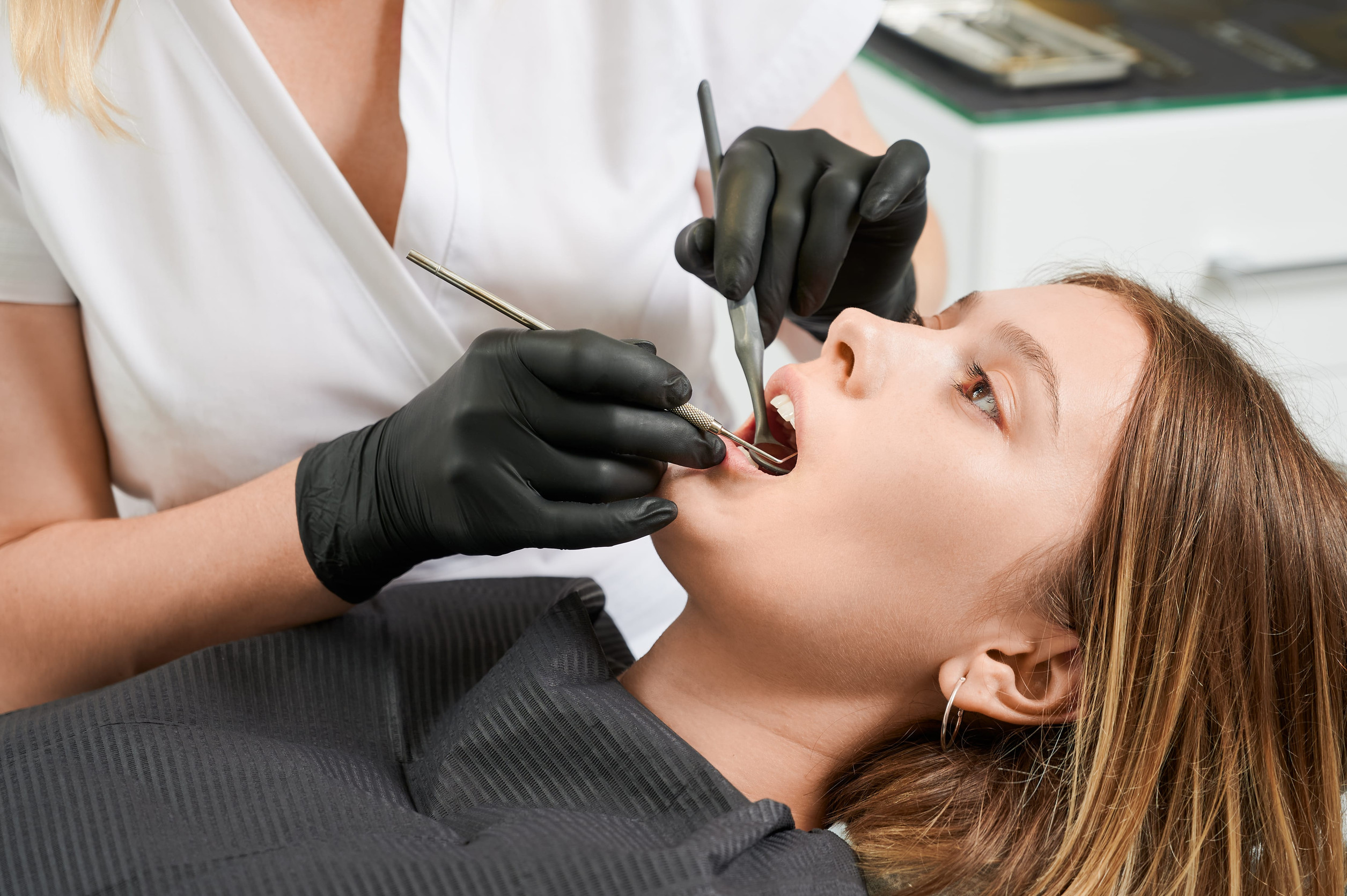
Taking the first step toward a healthier, straight smile is an exciting decision. For many families and adults across East Tennessee, the initial visit to an orthodontist comes with a mix of curiosity and anticipation. Knowing what to expect during your first appointment removes the mystery and lets you focus on building a personalized plan for your smile.
A new patient orthodontic consultation is a comprehensive diagnostic evaluation designed to assess your dental alignment, jaw structure, facial symmetry, and long-term oral health. Whether you are exploring options for your teenager, seeking early interceptive care for a child, or considering adult treatment, this initial visit lays the groundwork for a successful transformation.
Welcome and Initial Medical History Review
When you arrive at an East Tennessee orthodontic practice, your appointment begins with a warm greeting and a brief administrative check-in. The team gathers essential background information to ensure your treatment plan aligns safely with your overall health.
You will complete or review a medical and dental history questionnaire. The clinical team reviews past dental treatments, existing medical conditions, ongoing medications, and any history of jaw joint pain. Understanding your medical history is vital because conditions like bone density changes or seasonal allergies can influence tooth movement and airway function.
This initial discussion also centers on your personal goals. Your orthodontist will ask what specific concerns brought you into the office. Whether you want to correct crowded lower teeth, close a gap, fix a deep bite, or simply boost your everyday confidence, your preferences shape the entire consultation.
Digital Diagnostic Records and Advanced Imaging
Once your health history is established, the clinical team gathers high-definition diagnostic records. Modern orthodontic practices in East Tennessee rely on state-of-the-art digital technology to capture an accurate three-dimensional view of your oral cavity, roots, and facial bones without uncomfortable traditional impressions.
Digital Facial and Intraoral Photography
The team takes a series of high-resolution photographs of your face, smile, and teeth. These images capture your natural lip support, facial symmetry, smile line, and how your teeth frame your face when speaking and laughing. Photography serves as a baseline to track your visual progress throughout treatment.
Low-Radiation Digital Panoramic and Cephalometric X-Rays
Radiographs are essential for evaluating structural elements beneath the surface of your gums. A panoramic X-ray captures a complete view of your upper and lower jaws, revealing unerupted teeth, root angles, bone levels, and developing wisdom teeth.
A cephalometric X-ray captures a side profile view of your face and skull. This image allows the orthodontist to measure the relationship between your upper and lower jaws, evaluate your airway, and check for skeletal discrepancies. To understand how third molars impact dental alignment long-term, read our guide on how impacted wisdom teeth affect orthodontic results.
3D Digital Intraoral Scanning
Gone are the days of biting into messy, gag-inducing impression putty. Modern consultations utilize small, wand-like intraoral scanners that capture thousands of optical frames per second to construct a precise 3D digital model of your teeth. This digital model allows your orthodontist to analyze your bite from every angle and simulate potential movement outcomes right on a screen.
The Clinical Examination by the Orthodontist
With diagnostic records complete, you will meet directly with the orthodontist for a thorough physical examination. The doctor carefully evaluates your teeth, gums, jaw joints, and facial muscles.
Key aspects of the clinical exam include:
- Occlusal Analysis: Assessing how your upper and lower teeth interlock when you bite down naturally, checking for overbites, underbites, crossbites, or open bites.
- Spacing and Crowding Measurements: Measuring arch length to determine whether there is adequate space for all permanent teeth to align naturally.
- Temporomandibular Joint (TMJ) Health: Checking for jaw joint clicking, popping, tenderness, or restricted movement during opening and closing.
- Periodontal Health Assessment: Evaluating gum tissue health, bone density, and root support to ensure the foundation is strong enough for safe tooth movement.
For younger patients, the doctor pays close attention to growth patterns and permanent tooth eruption schedules. To learn how early structural check-ups benefit developing children, explore our detailed resource on early orthodontic evaluations for children.
Personalized Treatment Plan Discussion
After completing the clinical exam and reviewing your digital diagnostic records, the orthodontist presents a customized treatment strategy tailored specifically to your clinical needs and lifestyle.
The doctor walks you through your 3D scans and X-rays, pointing out specific structural details so you fully understand your diagnostic profile. They will discuss the recommended appliance options suitable for your case, which may include traditional metal brackets, aesthetic clear ceramic options, advanced self-ligating systems, or removable clear aligners.
To understand how self-ligating mechanics differ from traditional tied systems, check out our in-depth article on how Damon self-ligating braces function. If you are interested in a virtually invisible treatment path, you can also review what to expect from adult clear aligners.
During this discussion, your doctor outlines the estimated total treatment time, the expected frequency of progress appointments, and any supplementary appliances needed to achieve optimal function and stability.
Financial Review and Insurance Coordination
A crucial part of your new patient visit is making treatment accessible and transparent. Following your clinical discussion, you will meet with a treatment coordinator to review investment details in a private, low-pressure setting.
Your financial review covers:
- Transparent Investment Breakdown: A clear, all-inclusive outline of total treatment costs, eliminating surprise fees for retainers or emergency visits.
- Insurance Optimization: The coordination team verifies your specific dental insurance benefits, calculates expected orthodontic coverage, and handles claim filings directly on your behalf.
- Flexible Payment Plans: Discussion of interest-free monthly payment options, down payment flexibility, and health savings account (HSA) or flexible spending account (FSA) utilization.
The goal of this review is to ensure that financial planning is clear, comfortable, and tailored to your household budget.
Same-Day Start Options and Next Steps
Once you are satisfied with your treatment plan and financial agreement, you can decide how quickly to begin your transformation. Many East Tennessee practices offer same-day treatment starts for added convenience.
If you choose to start the same day, the clinical team can place your braces or scan for clear aligners right away, saving you an additional trip to the office. If you prefer to think things over or schedule for a later date, the team helps you book a convenient appointment that fits your routine.
Frequently Asked Questions About Orthodontic Exams
Does an initial orthodontic consultation hurt?
No, an initial orthodontic consultation is completely non-invasive and painless. The appointment consists of digital X-rays, 3D oral scans, clinical photography, and a physical visual evaluation by the doctor. No drilling, scraping, or tooth preparation occurs during this exam.
How long does a new patient orthodontic exam take?
A comprehensive new patient consultation typically takes between 45 and 60 minutes. This timeframe provides ample opportunity for digital imaging, a clinical exam by the orthodontist, a detailed discussion of treatment options, and a complete financial review.
How much does an initial orthodontic consultation cost in East TN?
Most orthodontic practices in East Tennessee offer initial new patient consultations free of charge as a courtesy to families. This complimentary visit includes diagnostic digital records, X-rays, a clinical evaluation by the doctor, and a financial consultation.
What age should a child have their first orthodontic exam?
The American Association of Orthodontists recommends that children have their first orthodontic screening by age 7. At this developmental stage, early permanent teeth have erupted, allowing orthodontists to spot subtle jaw growth issues and intercept severe crowding early.
Do I need a referral from a general dentist to schedule an orthodontic exam?
No referral from a general dentist is required to schedule an orthodontic consultation. While many general dentists suggest when it is time to see a specialist, patients and parents are free to book an evaluation directly with an orthodontist at any time.

-1.svg)

