
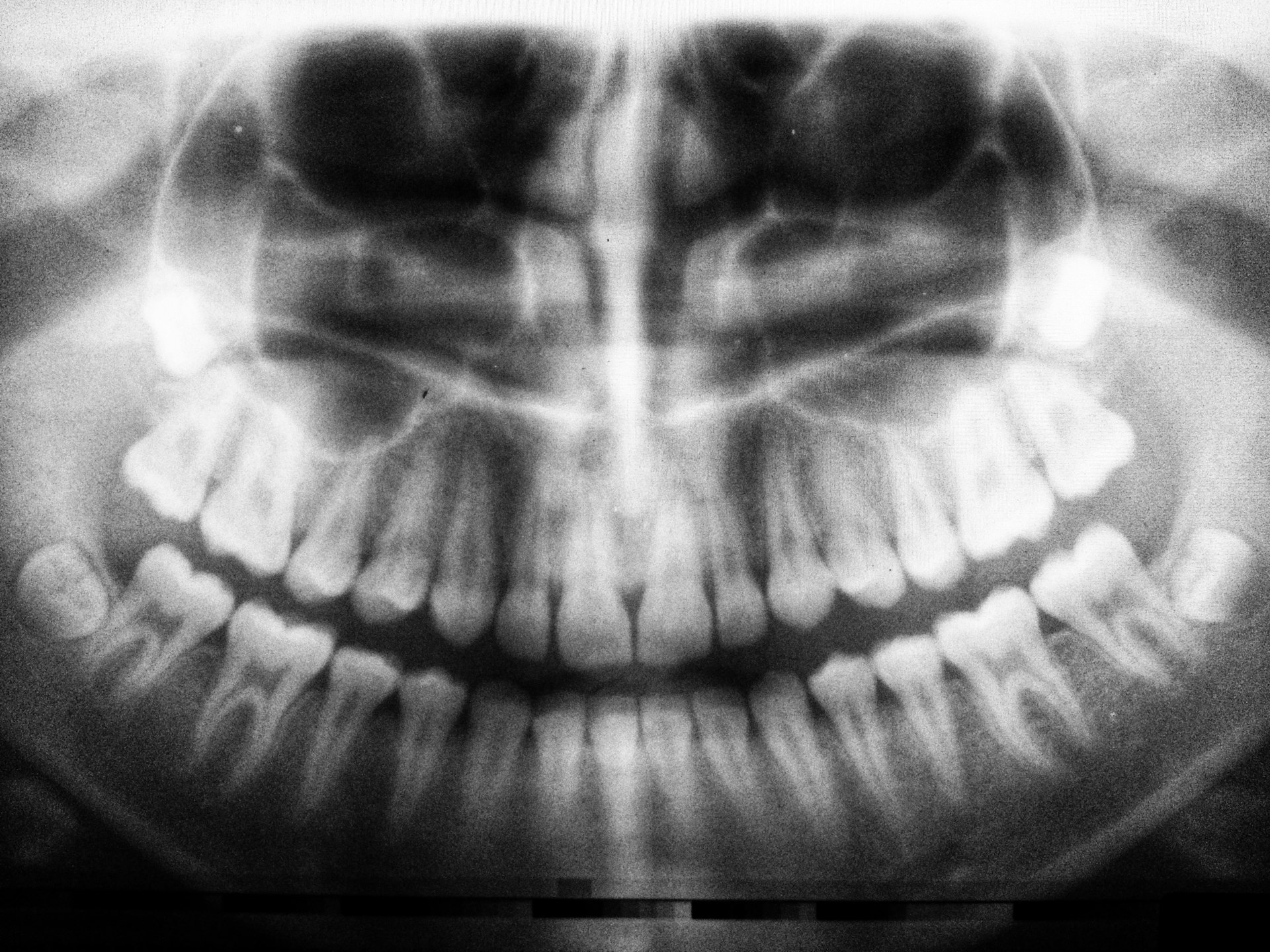
Wisdom teeth, or third molars, usually try to come in between the late teens and mid-twenties. When there is not enough room for them to erupt normally, they become impacted, meaning they stay trapped partly or fully under the gum or bone. Many people wonder whether those trapped teeth can push other teeth out of place and change how their bite fits together.
The short answer: impacted wisdom teeth can affect your bite and nearby teeth, but they are rarely the only cause of crowding. Signs worth checking include new crowding or shifting in your back teeth, pressure or pain near the back of the jaw, jaw stiffness or clicking, a bite that suddenly feels uneven, and gum swelling or tenderness behind your last molars. A panoramic X-ray and an exam by an orthodontist or oral surgeon are the only reliable ways to know what is really happening.
Quick Answer: Signs Impacted Wisdom Teeth May Be Affecting Your Bite
- Back teeth feel tight or crowded: Pressure or a crowded feeling around your second molars.
- Your bite feels different: Teeth that used to meet evenly now feel off on one side.
- Jaw pain or stiffness: Aching near the angle of the jaw, especially when chewing.
- Clicking or tightness when opening: Discomfort that can be related to inflammation near the back of the jaw.
- Swollen or tender gums behind your molars: Often a sign of a partially erupted wisdom tooth.
- Food trapping and bad breath: Partially erupted teeth create pockets that are hard to clean.
- Shifting after orthodontic treatment: Teeth moving after braces or aligners, especially if retainers are not worn.
What Does It Mean When a Wisdom Tooth Is Impacted?
A wisdom tooth is impacted when it cannot fully erupt into its normal position. It may be angled toward the second molar, angled backward, lying horizontally, or sitting upright but blocked by bone or gum tissue. Impaction is common because many jaws simply do not have room for a third set of molars.
Can Impacted Wisdom Teeth Cause Crowding?
This is one of the most common questions orthodontists hear. Research on whether wisdom teeth push front teeth out of alignment is mixed, and many studies suggest wisdom teeth are not the main reason front teeth crowd later in life. Natural changes in the jaw with age, the way teeth tend to drift forward over time, and not wearing retainers after orthodontic treatment all play a larger role.
That said, impacted wisdom teeth can cause real problems for the teeth next to them. A wisdom tooth angled into the second molar can damage its root, trap bacteria, and contribute to decay or gum problems that affect how your back teeth function. That is why an evaluation matters even if your front teeth look fine.
Sign 1: Your Back Teeth Feel Crowded or Under Pressure
A feeling of tightness or pressure behind your last molars can mean a wisdom tooth is trying to erupt against the tooth in front of it. Pressure that comes and goes is common during eruption, but persistent pressure is a reason to schedule an exam.
Sign 2: Your Bite Suddenly Feels Uneven
If your teeth no longer meet the way they used to, or one side feels like it hits first, something has changed. Impacted wisdom teeth are one possible factor. Others include tooth wear, grinding, shifting after treatment, and changes in the jaw joint. An orthodontist can evaluate your bite and identify the actual cause.
Sign 3: Jaw Pain, Stiffness, or Clicking
Inflammation around an impacted tooth can make the jaw sore or stiff, especially near its back corner. Some people notice discomfort when opening wide or chewing. Jaw clicking and pain can also come from the temporomandibular joint (TMJ), so it is important to have both possibilities checked.
Sign 4: Swollen, Red, or Tender Gums Behind Your Last Molar
When a wisdom tooth partly breaks through the gum, a flap of tissue can trap food and bacteria. This can lead to an infection called pericoronitis, which causes swelling, pain, a bad taste, and sometimes difficulty opening. Infections need prompt attention from a dentist or oral surgeon.
Sign 5: Teeth Shifting After Braces or Invisalign
Teeth can shift after orthodontic treatment, and patients often blame their wisdom teeth. The most common cause of relapse is not wearing retainers as prescribed. Your orthodontist can check whether shifting is related to retainer wear, wisdom teeth, or both.
How an Orthodontist Evaluates Wisdom Teeth and Your Bite
- Panoramic X-ray: Shows the position and angle of all four wisdom teeth and their relationship to nearby teeth and nerves.
- Bite evaluation: Checks how your upper and lower teeth meet and whether anything has changed.
- Crowding and spacing assessment: Measures available space in each arch.
- Jaw and joint exam: Looks for signs of TMJ strain, clicking, or limited opening.
- Coordination with your dentist or oral surgeon: If removal is recommended, timing is coordinated with any orthodontic treatment plan.
Should Wisdom Teeth Be Removed Before Braces or Invisalign?
Not always. Whether wisdom teeth should be removed depends on their position, your age, symptoms, risk to neighboring teeth, and your overall treatment plan. Some patients complete braces or clear aligners with wisdom teeth still developing, while others are referred for removal first. Your orthodontist will recommend the right timing based on your X-rays and exam.
Protecting Your Bite After Orthodontic Treatment
- Wear your retainers exactly as prescribed, especially in the first year.
- Keep up with regular dental checkups and X-rays as recommended.
- Report new pressure, pain, or shifting to your orthodontist early.
- Keep the area behind your back molars clean to reduce infection risk.
New to orthodontic care? Learn how to prepare for your first orthodontic visit.
Frequently Asked Questions
Can impacted wisdom teeth shift my front teeth?
Research suggests wisdom teeth are usually not the main cause of front-tooth crowding. Age-related changes and not wearing retainers play a larger role. Impacted wisdom teeth can still damage or crowd the molars next to them.
How do I know if my wisdom teeth are impacted?
Symptoms like pain, swelling, or pressure behind your molars are clues, but many impacted wisdom teeth cause no symptoms. A panoramic X-ray is the only way to know for sure.
Can wisdom teeth cause jaw pain?
Yes. Inflammation or infection around an impacted wisdom tooth can cause jaw soreness and stiffness. Jaw pain can also come from the TMJ, so both should be evaluated.
Will removing wisdom teeth fix my bite?
Removing wisdom teeth can prevent damage to neighboring teeth, but it will not straighten teeth that are already crowded or correct a misaligned bite. Orthodontic treatment is what moves teeth into proper alignment.
At what age should wisdom teeth be checked?
Many dentists and orthodontists recommend evaluating wisdom teeth in the late teens, when their position can be seen on X-rays and before roots are fully formed.
Concerned About Your Bite? Schedule an Evaluation
If you notice pressure, shifting, or changes in how your teeth fit together, an orthodontic evaluation can pinpoint the cause and the right next step. East Tennessee Orthodontics treats children, teens, and adults with offices in Knoxville, Karns, Oak Ridge, and Powell. Schedule a consultation to have your bite and wisdom teeth evaluated.


