


Finishing orthodontic treatment—whether you spent months or years wearing traditional braces or clear aligners—is a huge milestone. The day your appliances come off, you finally get to reveal a straight, healthy, and beautifully aligned smile. However, removing braces is not the final step of your orthodontic journey; it is simply the transition into the retention phase.
Teeth have a natural "memory." The periodontal ligament—the elastic fiber system connecting each tooth root to the surrounding jawbone—takes a long time to stabilize in its new position. Without something to anchor your teeth in place, microscopic pressures from chewing, swallowing, speaking, and natural aging will cause your teeth to drift back toward their original positions.
That is where retainers come in. But unlike dental crowns or implants, retainers do not last forever. Knowing how long retainers last, recognizing when replacement is necessary, and understanding proper care will safeguard your investment and keep your smile intact for a lifetime.
Lifespan by Retainer Type: What to Expect
Not all retainers are created equal. The exact lifespan of your retainer depends heavily on its design, material composition, and how well you care for it day to day. Orthodontists primarily prescribe three types of appliances:
1. Clear Plastic Retainers (Essix / Vivera)
- Average Lifespan: 1 to 3 years
- Material: Thermoplastic material molded directly over a 3D model of your teeth.
Clear retainers are visually similar to aligners. They fit snugly over your teeth, offering exceptional aesthetic appeal because they are virtually invisible. However, because they are made from thin thermoformed plastic, they experience continuous stress every night from biting and grinding. Over time, clear retainers naturally lose their micro-rigidity, stretch out, or develop tiny fractures. Even if a clear retainer looks intact, subtle plastic fatigue can compromise its ability to hold your teeth firmly in place.
2. Hawley Retainers (Traditional Wire & Acrylic)
- Average Lifespan: 5 to 10+ years
- Material: Acrylic base shaped to the roof of your mouth or tongue side of your lower arch, connected to a metal arch wire.
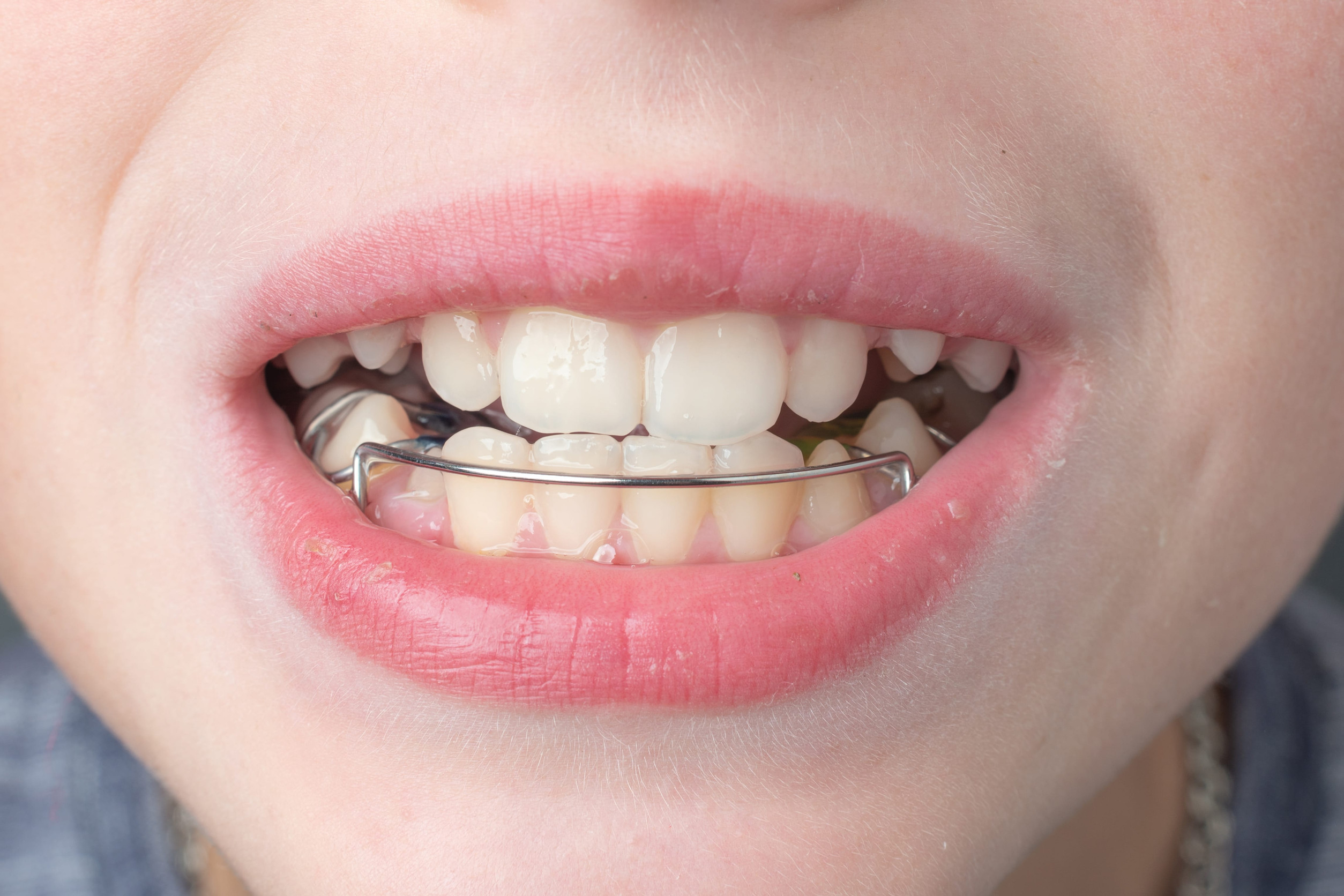
Hawley retainers are the classic "school picture" retainers that have been trusted for decades. Because they are constructed from durable acrylic and stainless steel wire, they are exceptionally tough. If protected from drops and heavy crushing force, a Hawley retainer can easily last 5 to 10 years or longer. An added advantage of Hawley retainers is that an orthodontist can often bend or adjust the metal wire if minor tooth shifting occurs or if the fit needs slight tuning.
3. Fixed / Bonded Retainers (Lingual Wires)
- Average Lifespan: 3 to 10+ years
- Material: Stainless steel or braided wire bonded directly to the back (lingual surface) of the front teeth using dental composite adhesive.
Bonded retainers are completely invisible from the front because they stay glued behind your lower or upper front teeth. Because they remain in place 24/7, they offer continuous protection against relapse without requiring you to remember to put them in every night. However, the lifespan of a fixed retainer depends heavily on your bite forces, oral hygiene, and dietary habits. Biting into hard foods (like apples or ice) can break the composite glue pads or snap the wire itself.
Retainer Lifespan & Characteristic Comparison
To help you compare your options at a glance, the table below outlines the core differences in longevity, maintenance, and common points of failure across all three major retainer types:
7 Warning Signs: When Replacement Is Truly Necessary
While knowing general timeframes is helpful, you should rely on physical signs rather than calendar dates to determine when to replace your appliance. Wearing a worn-out, damaged, or warped retainer gives you a false sense of security while your teeth secretly drift underneath.
If you notice any of the following seven warning signs, it is time to seek a fresh, custom-made replacement:
1. Visible Cracks or Fractures
Small hairline fractures on clear plastic retainers might seem harmless at first, but every tiny crack compromises structural integrity. Plastic retainers rely on uniform physical tension across the entire arch to hold teeth in place. Once a crack develops, that tension breaks down. Furthermore, cracks harbor bacteria and food particles that are impossible to brush out, creating an environment for bacterial growth and bad breath.
2. The Retainer Feels Loose or Snaps On Too Easily
When you first complete orthodontic treatment, your retainer should fit snug and tight. Over months and years of taking it in and out, the plastic naturally flexes, or wire loops widen. If your retainer slides in and out without subtle resistance—or if you can pop it off with your tongue—it no longer exerts the precise pressure required to prevent teeth from drifting.
3. The Retainer Is Uncomfortable or Painful
A well-maintained retainer should feel comfortable once inserted. If you have been wearing your retainer consistently every night and suddenly feel intense pressure or pain on specific teeth, your retainer may have warped from heat (such as dishwashers or hot water rinsing) or physical deformation. Alternatively, your teeth may have already shifted, meaning the retainer is forcing teeth in an unintended direction.
4. Heavy Limescale, Plaque, or Discoloration
No matter how diligently you clean your retainer, human saliva is packed with calcium and minerals that naturally deposit onto dental appliances over time. White, crusty spots (tartar/calculus buildup) that cannot be scrubbed off with vinegar or specialized retainer cleansers can create rough spots that irritate your cheeks and tongue. When bacteria permanently penetrate porous plastic, replacing the retainer is the cleanest, healthiest choice.
5. Debonding on Fixed Permanent Wires
If you have a fixed lingual retainer, check it regularly in the mirror or with your tongue. If the dental glue breaks off even one single tooth, that unanchored tooth can rotate or shift out of line in a matter of weeks—even while the rest of the wire remains attached to adjacent teeth. If you feel a sharp wire end or notice a gap between the wire and your tooth, schedule an appointment immediately.
6. Physical Damage from Pets or Heat
Pets—especially dogs—are fascinated by the smell of human saliva on retainers. "My dog ate my retainer" is one of the most common reasons patients need emergency replacements! Similarly, leaving clear retainers on a sunny dashboard, soaking them in boiling water, or running them through a washing machine will warp thermoformed plastic beyond repair.
7. Major Dental Work (Crowns, Fillings, or Implants)
If your dentist places a new crown, large filling, or dental implant, the physical contour of that tooth will change slightly. An old clear plastic retainer designed around your old tooth shape will no longer seat down properly. After completing major restorative dental work, ask your dentist or orthodontist to take a fresh impression or 3D scan for a updated retainer.
Orthodontic Insight: Never attempt to fix a bent or broken retainer at home with superglue, craft wire, or hot water! Household adhesives contain toxic chemicals that are unsafe for oral consumption, and manual bending almost always introduces unintended forces that move teeth into bad positions.
What Happens When You Delay Replacing a Damaged Retainer?
Many people wait months—or even years—after losing or breaking a retainer before calling their orthodontic team. Unfortunately, tooth movement happens far faster than most realize.
Teeth are constantly subjected to natural physiological forces, including:
- Mesial Drift: The natural tendency of teeth to slowly migrate forward toward the front of the mouth over time.
- Chewing Pressures: Powerful jaw muscles exert dozens of pounds of force per square inch daily, nudging misaligned teeth further out of balance.
- Periodontal Remodeling: Elastic bone fibers surrounding your teeth constantly remodel in response to pressure, allowing rapid movement if unconstrained.
When you skip wearing your retainer or wear one that has lost its rigidity, relapse begins subtly. At first, you might notice light crowding in your lower front teeth or a slight gap reopening between your upper front teeth. If left uncorrected, relapse progresses to the point where your original retainer will no longer fit over your teeth at all.
When severe relapse occurs, simple retainer replacement is no longer an option. You may require a short round of re-treatment with clear aligners or braces to realign the arch before a new retainer can be fitted. Addressing a loose or damaged retainer promptly saves both time and money in the long run.
Best Practices to Extend the Life of Your Retainer
While all retainers eventually wear out, adopting good maintenance habits will ensure you get maximum longevity from your appliance:
1. Master Proper Insertion and Removal
- For Clear Retainers: Always use two hands to remove your clear retainer. Pull down gently from the back molars on both sides simultaneously rather than yanking down from the front. Pulling from one side creates asymmetrical torsional stress that causes clear plastic to snap right down the middle.
- For Hawley Retainers: Push up or pull down using the thick acrylic section or rear wire clasps—never pull directly on the thin front wire bow, as this bends the metal out of alignment.
2. Practice Safe Daily Cleaning
- Do: Clean clear retainers daily with lukewarm water and a soft-bristled toothbrush. You can also use non-abrasive liquid hand soap or specialized retainer cleaning tablets once or twice a week to remove deep odors and mineral stains.
- Don't: Never use toothpaste on clear plastic retainers. Standard toothpaste contains abrasive micro-particles (designed to scrub enamel) that scratch clear plastic, creating microscopic grooves where plaque and bacteria thrive.
3. Keep Away from Extreme Heat
Thermoplastic materials soften and lose shape under elevated temperatures. Never wash or rinse your retainer in hot or boiling water, never leave it inside a hot car during summer, and keep it far away from microwave heat or dishwasher cycles.
4. Follow the "Case Rule"
Whenever your retainer is not inside your mouth, it should sit safely inside a hard-shell protective case. Wrapping retainers in paper towels or napkins while eating at restaurants is the single most common way retainers accidentally get tossed into the trash!
Replacing Your Retainer: Modern Options & Subscriptions
Replacing a retainer today is much easier and more comfortable than it was in the past. Gone are the days of messy, gag-inducing putty impressions. Modern practices utilize advanced 3D intraoral scanners to capture digital 3D models of your teeth in minutes.
1. Digital STL File Storage
Because modern scans produce digital 3D files of your teeth, your orthodontist can store your digital smile model in their database. If you lose or break your retainer, your practice can often print a new 3D resin model and vacuum-form a brand-new retainer without requiring an in-person impression appointment.
2. Retainer Subscription Programs
Because clear plastic retainers wear down naturally over 1 to 3 years, many forward-thinking orthodontic practices offer structured subscription programs. These programs allow patients to order back-up clear retainers at reduced costs, ensuring you always have a fresh backup set ready in your nightstand drawer. Having a spare retainer eliminates the panic of searching for an emergency appointment if your primary retainer breaks or vanishes on vacation.
Protect Your Investment for Life
Your smile is an investment that yields lifelong dividends in confidence, health, and well-being. Retainers are the insurance policy that guards that investment. By understanding the typical lifespan of your specific retainer type, watching for physical signs of wear, and acting quickly when replacement becomes necessary, you ensure your straight, healthy bite stays firmly in place forever.
If your retainer feels loose, shows cracks, or hasn't been evaluated by an orthodontist in years, reach out to your local dental provider for a quick check-up. A simple replacement retainer today is all it takes to keep your hard-earned smile shining bright for decades to come!
Essential Retainer Resources & Further Reading
- Explore custom fitting and material choices on our orthodontic retainers service page.
- Learn why wearing your appliance every night is essential in our article on why you should never skip wearing retainers.
- Discover the long-term biological commitment to retention in the forever rule for retainers.
- Keep spare appliances on hand affordably with our retainer subscription program.
- Keep your clear appliances spotless and odor-free with our complete guide on proper clear aligner care and hygiene.
- Experiencing relapse or tooth shifting after years of non-wear? Read up on why teeth shift again in adulthood.